




In his article published on Aposta
Ganha Br site, journalist Rodrigo
Cesar tells the drama experienced by owners of bingo houses after the ban on
activity at the end of the last decade. According to him, entrepreneurs have
taken different paths such us leaving the country, opening other businesses or
simply waiting for what is now close to becoming reality, the legalization of
bingos.
The prohibition came with the enactment of Law 9.981. This law banned
bingos throughout Brazil and killed one of the most promising nascent
industries of the last decade. In addition to a drop in revenue and thousands
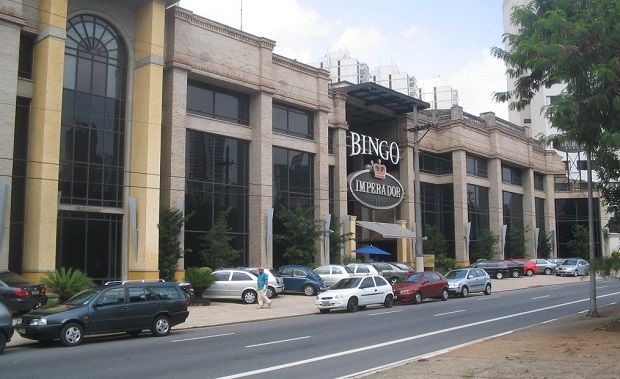
of unemployed, this caused a problem also to the owners of those huge real
estate that served as Bingo houses.
The owners of those properties had nothing to do with them, so some of the big
bingo houses that operated in the last decade continue to be operational in São
Paulo. Some with a monthly cost of more than US$ 16,000.
As soon as the prohibition law was approved, many of the owners of bingos ended
up getting rid of those properties. However, some of them made big investments
to equip the bingo houses with chairs, tables, billboards. All sorts of electronic
equipment that cost millions of dollars and would go to waste.
But many of the owners of the bingo houses still hold the properties unused,
just waiting for the congressional decision to legalize the activity in the
country and, thus, allow them to work again.
Loss and Waiting
The president of the Brazilian bingo association, Olavo Oliveira, was
heard. For him, many of the bingo owners did not expect the ban to last for
more than a decade. They believed that soon it would fall and the bingos would
be able to work again:
"Those who paid rent soon left to
another property, but there is also the case of those who made millionaire
investments in the gambling venues. The dismantling of bingos, mainly themed
bingos, generates big losses. Who pays those seats? What do you do with all the
panels? If you take that out, you have to throw it in the trash. The
rebuilding of such a bingo would cost about US$ 640,000."
Several of those huge buildings that held luxurious bingos in Sao Paulo turned
out to be other businesses. Bingo Bom Retiro has become a sewing school. Bingo
Tucuruvi became a car center for vehicle assistance.
But others remain inactive waiting for a revolution in Brazilian law. The
Bingos Emperor and Empress remain inactive waiting for a change of scenery in
the law.
But the wait may be near the end. The legalization of gaming in Brazil has
never been so close. The House of Representatives is close to approving bill
441/92 that would legalize the activity in the national territory. According to
this law, only the state of São Paulo would be allowed to house 59 bingos.
Source: GMB/ Aposta Ganha Brasil - http://www.apostaganhabr.com