



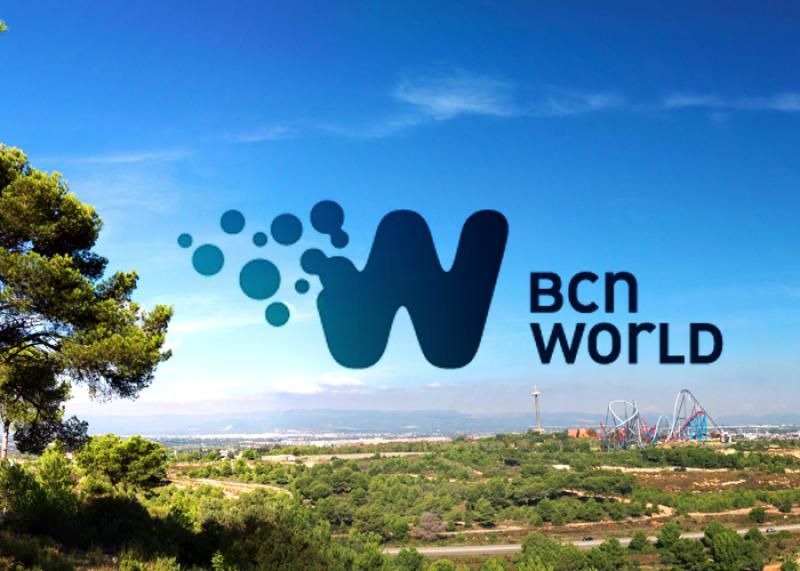
Hard Rock, Melco and Peralada, the three companies interested in the leisure and entertainment complex, have deposited a bond of €2.5 million each committing to buy land where the hotels, casinos and shopping areas will be built. Work was scheduled to begin this summer but the new extensions grants the operators until June 30th to submit their proposals.
The delay was officially made public via The Government of Catalonia (Generalitat de Catalunya) Diario Oficial (Government Gazette) last Friday. However, Mayor of Salou, Pere Granados assured press that despite the delay that the project "is still alive.” The Mayor went onto to say that: "As it is an extension requested by the operators themselves, it must be interpreted that the project is still alive and that the operators’ interest is intact.”
According to the public announcement released by the government last Friday: "The uniqueness of the business model” implies a high level of "complexity” which necessitates "a gradual and staggered implementation” of the project. In the announcement the government said the the extension will allow the operators sufficient time to prepare their proposals in "a timely manner” while legal and financial requirements will all also be met.
Investors have alluded to the complex
technical standards as laid down by the government as part of the reason for
why they have needed more time. At the end of December The Urban-Development
Master Plan (PDU) for the Tourist and Recreation Complex were approved.
Operators Hard Rock, Melco and Peralada were given three months in which to
present their proposals. Both Melco and Hard Rock are competing to operate a
casino each while the Peralada Group in partnership with the Genting Group are
also competing to be the sole operator and would run a single large scale
casino in the resort.
The construction of the Tourist and
Recreation Complex will generate between 9,000 and 13,000 direct jobs during
its construction, which will be phased in over a period of around six years. It
will generate between €3,900 and €5,400 million per year in the Camp de Tarragona.
Source: GMB / G3 Newswire