




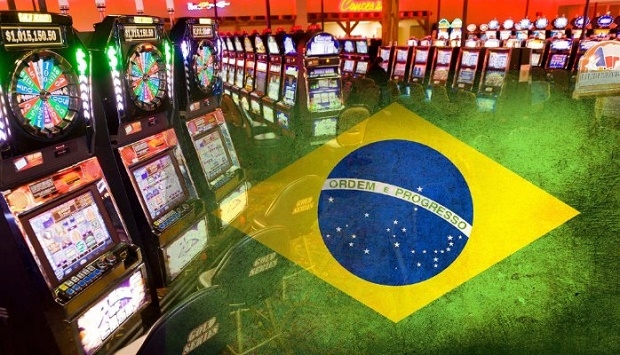
As discussed in a previous article by Casino News Daily, Latin America has been drawing more and more attention as a region where gambling may be a particularly profitable industry. Several Latin American countries have been considering the adoption of gambling-friendly regulations that could open their markets to international developers and operators.
Aside from Mexico, which was the main focus of that previous article, it can be said that Brazil is yet another country from the region whose legislators seem to have finally recognized the importance and usefulness of the creation of a regulated gambling environment.
With very few exceptions, gambling is illegal in Brazil under a federal law from the 1940s. However, it has been almost a quarter of a century now that lawmakers have been trying to legalize one form of gambling or another and to create a gambling legalization and regulatory framework that would lift the ban completely.
Brazil has been described as the sleeping giant in several publications and in relation to its huge potential to turn into one of the world’s biggest regulated markets. Gambling has already been a big thing in the country. According to the Brazilian Legal Gaming Institute (Instituto de Jogo Legal – IJL), the approximate amount of R$20 billion ($6.4 billion) is generated annually from illegal gambling services. What is more, the Jogo do Bicho market could be worth around R$12 billion ($3.8 billion). In terms of stakes placed, the local market could be valued at around R$55 billion ($17.6 billion), the IJL has noted in a report on Brazil’s gambling market.
As many other gaming options, brick-and-mortar casinos are also prohibited in Brazil. It has been estimated that around 200,000 country residents travel to neighboring Uruguay to gamble at local casinos.
Bearing all the above figures in mind and the fact that gambling is strictly prohibited in Brazil and only conducted illegally, the IJL has suggested that the country annually loses R$6 billion ($2 billion) in what could be contributed to coffers in gambling taxes.
With population of 207.8 million people (World Bank: 2015), Brazil could be the world’s largest regulated gambling jurisdiction. There clearly is big demand for gambling services and given Brazil’s proverbial love for football, sports betting could be a hit in the country. There is also no lack of interest from international gambling companies to enter the region and Brazil, in particular, so it can probably have a happily ever after in a way, in case it legalizes gambling and regulates its market in a manner that would attract investment, entertain and protect customers, and help it derive the maximum benefit from its legalization effort.