




The 114-page report, entitled "White Paper: Japan Integrated Resorts”, found that while there has been considerable research on the likely market size based on factors such as propensity to gamble, there has been less study of the types of games that are likely to appeal to the Japanese gamer. These preferences will play a crucial part in the future design of the casino floor, revenue per square foot, labor costs and ultimately EBITDA, it said.
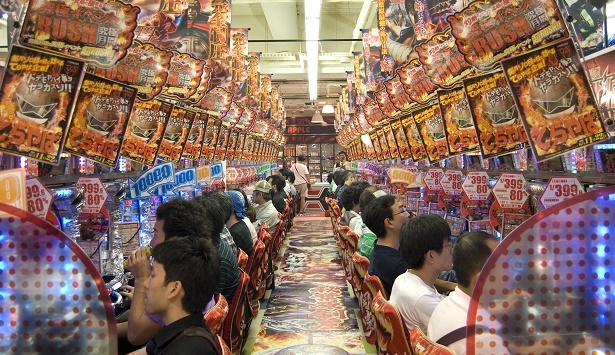
The games of pachinko and pachislot remain highly popular in Japan. Although revenue has been declining, it was still a US$ 34 billion industry in 2016, GMA said, citing Ministry of Finance and the Nichiyukyo Association figures.
"The single
greatest misconception a casino operator can make is to assume that Japanese
gamers will play the same games as those players that frequent Macau,” the
report, which studied both games preferred at home and preferences displayed by
the Japanese while travelling.
"The Chinese have a table game centric gaming culture and have long embraced
Baccarat and Sic Bo. While the Japanese enjoy Oicho-Kabu, they have a
long-established history as a machine-centric gaming culture, as they are
enthusiastic Pachinko players,” it said. Oicho-Kabu is a traditional Japanese
card game similar to baccarat.
As a result, GMA predicts slot machines will take up a far greater percentage
of the casino floor than in other Asian markets. It estimates that operators
will at first allocate 45 % of the floor to slots, 5 % to electronic table
games and 50 % to table games. However, going forward it sees slots gaining an
increasing share of the floor.
The local manufacturers, such as Aruze, Konami, and Sega Sammy, understand what appeals to the Japanese gamer in terms of maths, symbols and themes and will be well placed to develop casino products for the market.
"It is also advised that gaming operators design casino floors that are flexible and can be quickly altered to meet the evolving needs of the market.”
The report sets out four potential scenarios for the Japanese gaming market, with revenue forecasts for each model. The estimates range from US$ 12.5 billion to US$ 24.2 billion. The lowest projection is based on just two integrated resorts, one in Osaka and the other in Yokohama.