




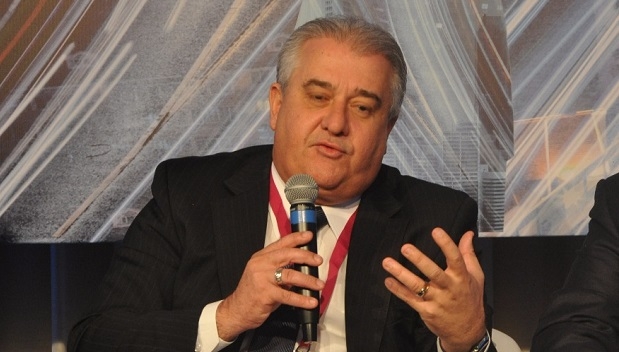
GMB - Regarding the gaming legalization process, there is an urgent request for PL 442/91 to be voted in Plenary. What is the status of this request and what are the expectations of the project to be voted on in Plenary?
Dep. Augusto Coutinho: The urgency request was presented in the Chamber Plenary, but has not yet been appreciated. Our expectation is that this vote will be made in the second semester. First, if you vote on the urgency of the project, then you can appreciate the matter. In some cases, urgency and matter have already been voted on the same day, but we can not say that is the case. Apart from that, the special committee of PL 442/91 approved the report of
Going to vote in Plenary, do you believe that the draft Regulatory Framework of gaming can be approved with some ease? Which wings of the Chamber of Deputies have already secured a vote in favor of the project and which ones still have to be convinced?
Although it is a bill, which needs a simple majority, we have to make some evaluations. It has a very strong resistance from the churches and the Public Prosecutor's Office. Therefore, the parliamentarians linked to these segments will be contrary, which can cause difficulties, both for the vote on the request and for the vote on the bill in the Plenary. Everything will have to be
Another project, PL 186/2014, also deals with gaming legalization and is being considered in the Senate. What is the relationship between the House and the Senate when it comes to regulating gambling? In which of the legislative houses should the regulatory framework for gaming be approved first?
You can not predict exactly who will close the discussion first. In terms of legislative process, the House is more advanced. But the project we are evaluating is from 1991, with 14 members. The issue that the Senate is discussing, which has gone through a commission there, is from 2014, that is, much more recent. The hypothesis that I evaluate as the most likely would be the House approving the project, this would go to the Senate and there the senators could pick up points of the project that they are already evaluating and would insert in the House one. There the matter would return to us, and the deputies would evaluate whether they accept the changes or not, and would go to the presidential sanction.
Do you think it's possible to find a common project for both initiatives? The final regulation of the gaming should be more similar to what project?
Yes, I believe that it does not depend on which House completes its procedure first, the other will make pertinent revisions and the final result would be a mixture of the best between both of them. I even believe that the gaming industry will gain a lot from that.
What is your analysis
I think we're all working to make it all come true. Even because we have lived through years of crisis, provoked by a series of mistaken measures of the previous governments of the PT. I particularly believe that it would be another opportunity that we would be creating and the country would gain from it, for all that has been said, by all the positive numbers that are explained. Of course, we will face resistance, but we can build a positive path.
American businessman Sheldon Adelson of the Sands group was in Brazil recently and presented his projects for big investments in the country. What is your position on the interest of foreign investors in the future Brazilian gaming market? In addition to Sands, are there any other groups interested in investing in the country?
I have a liberal formation for the opening of the market and in favor of more participation of the private sector and less initiative of the state.
As a deputy representing Pernambuco, what is your project for gaming in the state? Is there any possibility of making big investments in regions such as the hinterland or should they stay in places with more tourist potential like Recife and other cities?
This will depend on the final configuration of the project because there may be a limitation on the number of casinos and bingos by state or region, for example. Depending on the final resolution, we’ll be able to discuss options. It is important to emphasize that the project that is in the House proposes an increase in the participation of the collection for states and municipalities. The tendency, moreover, is that the regulation
Source: GMB Exclusive