



With the goal of private financing of companies for
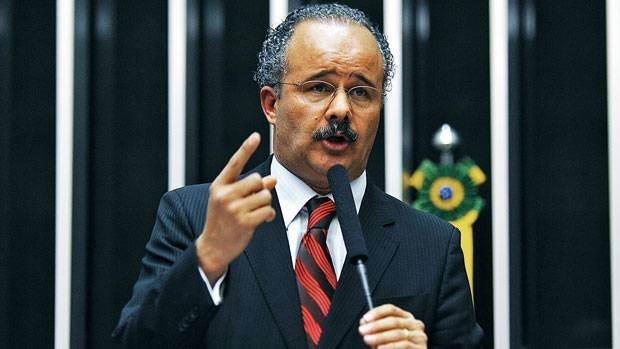
In a supplementary vote to his text, the rapporteur Vicente Cândido (PT-SP) included the initiative this week. The idea is to take advantage of a 1971 law, which authorizes "exclusively philanthropic" entities, such as churches, to explore bingos and other draws, "to fund social works," and to include political parties.
Candido confirmed to local media Gazeta do Povo the inclusion of political parties in this legislation. "There is a problem of campaign funding, and in that
The rapporteur said that the idea of using gaming to raise funds for campaigns was not his, but several presidents of parties. The president of the Sao Paulo PT, Luiz Marinho, a former trade unionist and former mayor of São Bernardo do Campo, was one of the authors of the proposal.
The article of the law, if approved the use of the gaming in electoral campaign, would read as follows: "No individual or legal entity may distribute or promise to distribute prizes through draws, gift certificates, contests, bingos or similar operations, otherwise and conditions set forth in this law, except when such operations originate in draws organized by political parties or institutions declared to be of public utility by virtue of law and that dedicate exclusively to philanthropic activities, in order to obtain additional resources necessary for the maintenance or costing of work in which they are engaged or, in the case of political parties, the cost of their party and electoral purposes. "
Deputy Chico Alencar (PSOL-RJ) criticized the initiative and his party will vote against this possibility. "This is the
The forecast of the electoral reform indicates that
Source: GMB / Gazeta do Povo