
 Facebook
 Twitter

ENGLISH
"A license in Las Vegas is very expensive and takes at least one year of analysis"
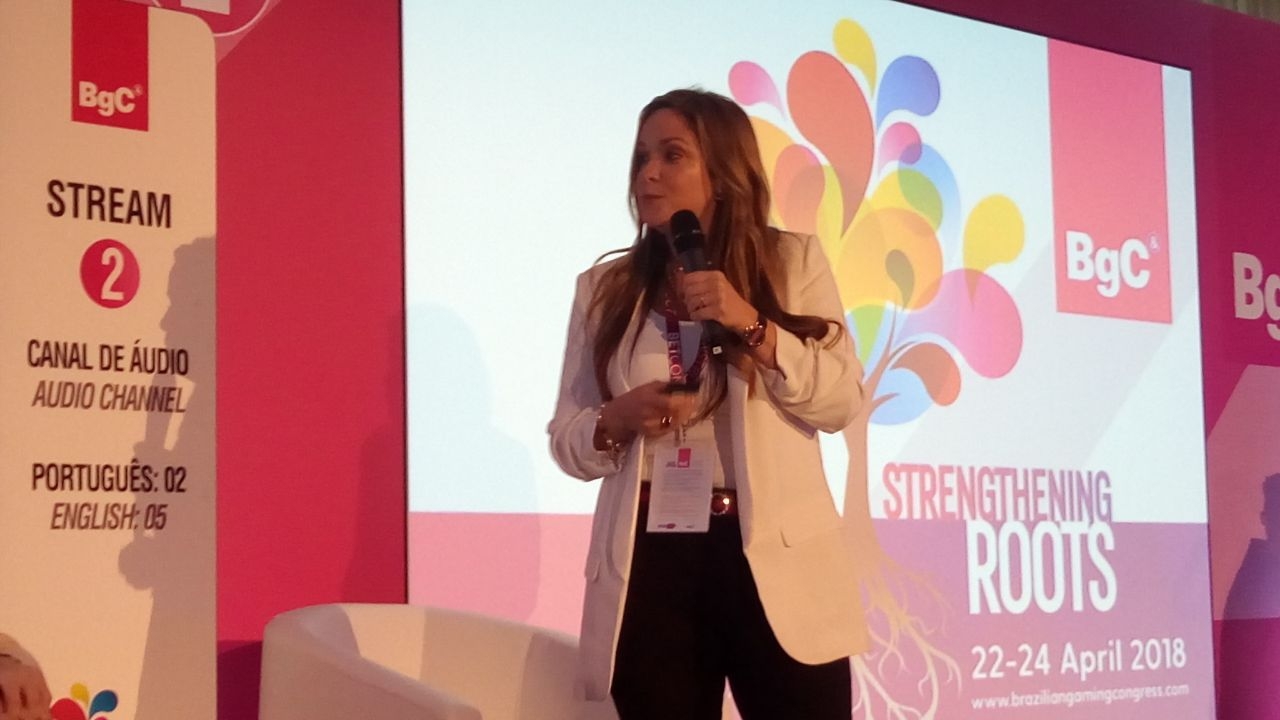
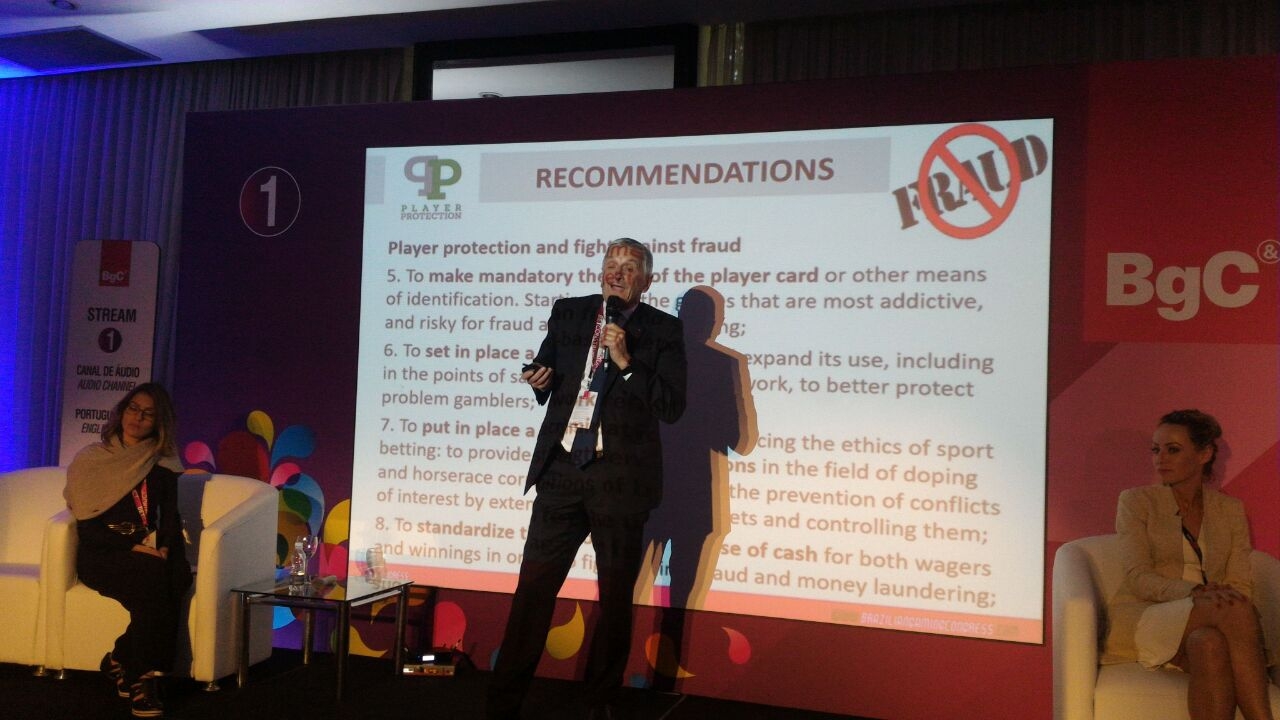
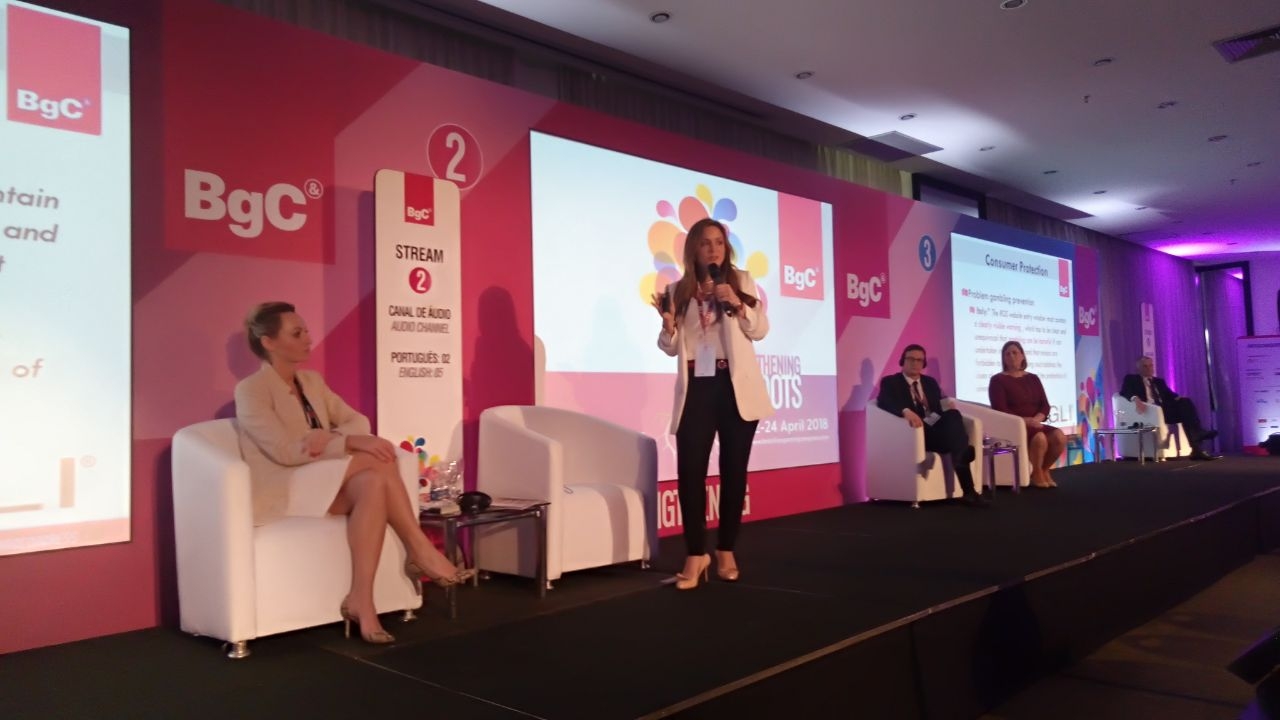
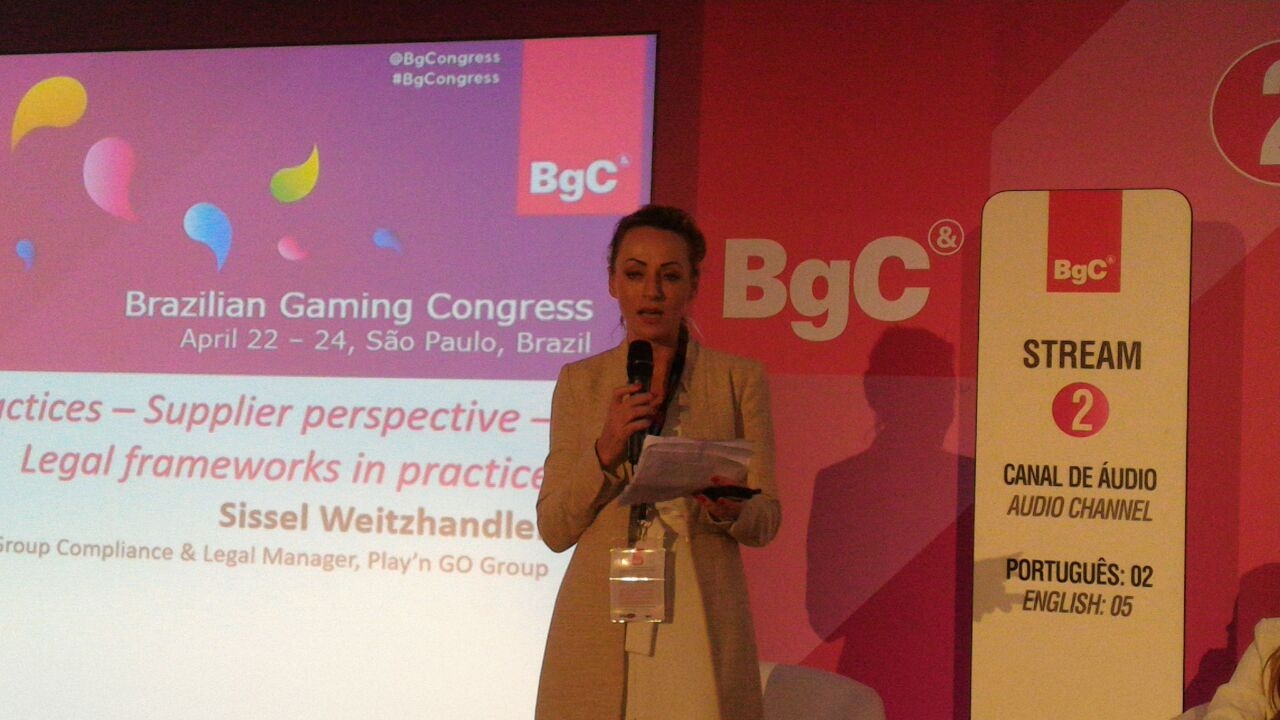
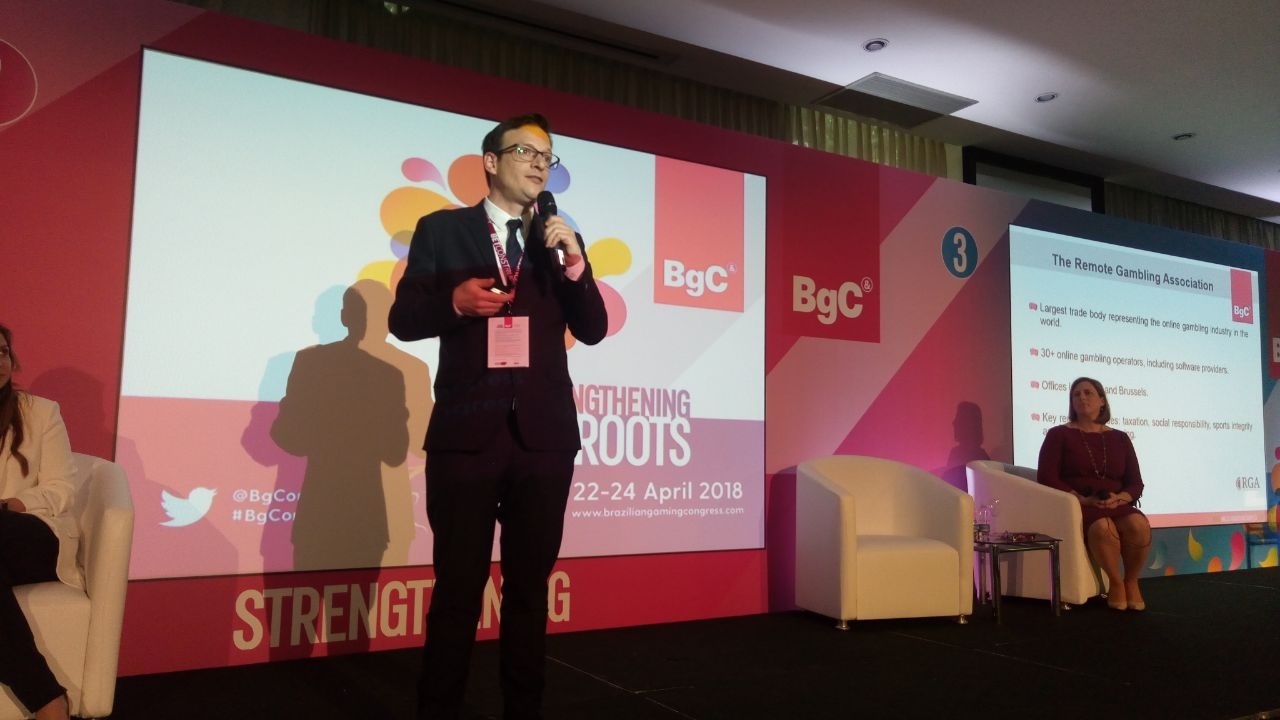
Priscila Carvalho, CBTH's lawyer, invited to talk about regulation and licensing to Pierre Tounier, Director of International Relations of the Remote Gaming Association (RGA); Sissel Weitzhandler, Play'n Go Compliance Manager; Karen Sierra-Hughes, GLI's Director of Government Relations; Becky Harris, chairwoman of the Nevada Gaming Control Commission; and Thierry Pujol of the Hall of Fame of the Lottery Industry.



Tournier said that just over a year ago he began discussing the possibilities of online gambling with the Brazilian government. According to him, "the licensing and the definition of taxes are preponderant factors for a good regulation. It should be made clear in all actions in pursuit of perennial legislation that consumers are protected, that the black market is extinguished and that taxes are appropriate to the activity.”
On best practices, Pierre stressed that licenses should be given in a transparent manner to all those who apply, as well as be clear what activities are authorized, adding to this basis of regulation an appropriate taxation to the GGR. He also pointed out that in a study requested by the RGA, KPMG pointed out that the Brazilian online gaming market can exceed US$ 2.15 billion per year, with taxes of around US$ 380 million, being among the largest markets of the world.
Sissel Weitzhandler, Play'n Go Compliance Manager, pointed out that it is always very difficult to enter a new online market, "but we need to be in tune with the characteristics of each regulated market. In our case, we have several products and they must be adapted to our partners, configuring them according to their own local and technical requirements," he explained, noting that in all cases "we also take into account the consumer protection embedded in all our tools.”
GLI's Karen Sierra said that discussing licenses involves always understanding the requirements of each legislation itself. "We work in several countries and some characteristics of one country do not apply to others. In Colombia, for example, to get a license, you need to be established in the country. In other cases, this is not required. From a technical point of view, we have to analyze the entire system of each legislation, always with a view to protecting players, governments and, of course, operators and suppliers."
Among the actions, GLI deals with responsible gambling, validating both self-excluded players and monitoring the actions of the operator itself in order to warn that the activity must be responsible. "We also pay attention to the recognition of defenses against possible money laundering, deposits or withdrawals of money outside limits and other actions for consumer protection," she said, noting that particular rules of certain games in some jurisdictions restrict even the value to be bet, which demonstrates that the understanding of each regulation is fundamental to an operation consistent with the license obtained by the operator.
Finally, Sierra-Hughes said that more than anything, it is important that all information about players is protected and that everything is analyzed by GLI when it conducts all the tests for approval in the gaming industry.
To close the panel, Becky Harris of the Nevada Gaming Control Commission recalled that gaming licenses are made after many prior reviews, including family members of licensing business owners, when they own more than 5 percent of the company's stock. "A license in Las Vegas is very expensive and takes almost a year to get, as we have to be rigid against actions that could compromise the integrity of the industry," she said, noting that even casino employees who are directly match are thoroughly evaluated to ensure that their actions will be in line with all the features determined by the Games Committee. "If an employee loses his license due to improper behavior, he will not be able to get a job at any other casino, which makes everyone follow exactly what our laws dictate."
Thierry Pujol, in his presentation, exemplified with jogo do bicho, as a prohibited activity in Brazil that resembles Quiniela, legally exploited in several Latin countries. "Regulation should consider the issue of combating addiction, against fraud and also against corruption," he said. According to him, there were many games offers in France, but there was much difficulty in delimiting the jurisdictions to arrive at a consistent legislation. After much study, it was defined a very similar backbone to the European Community model, with casinos, bingos and online gaming.
"We are still in search of an adequate regulation for online gambling in France, where we want everyone to be protected by adequate legislation that avoids pathological gambling, the participation of minors in the activity and that all players are identified." According to him, what is seen is that each country has its licensing process that defines characteristics specific to operators and the format of each of the activities related to the activity. "In Brazil, regulation should take into account the size of the country and who will be responsible for controlling the activity, whether at a federal or state level. It's worth you to discuss this before the operation itself starts," he concluded.
Source: Exclusive GMB