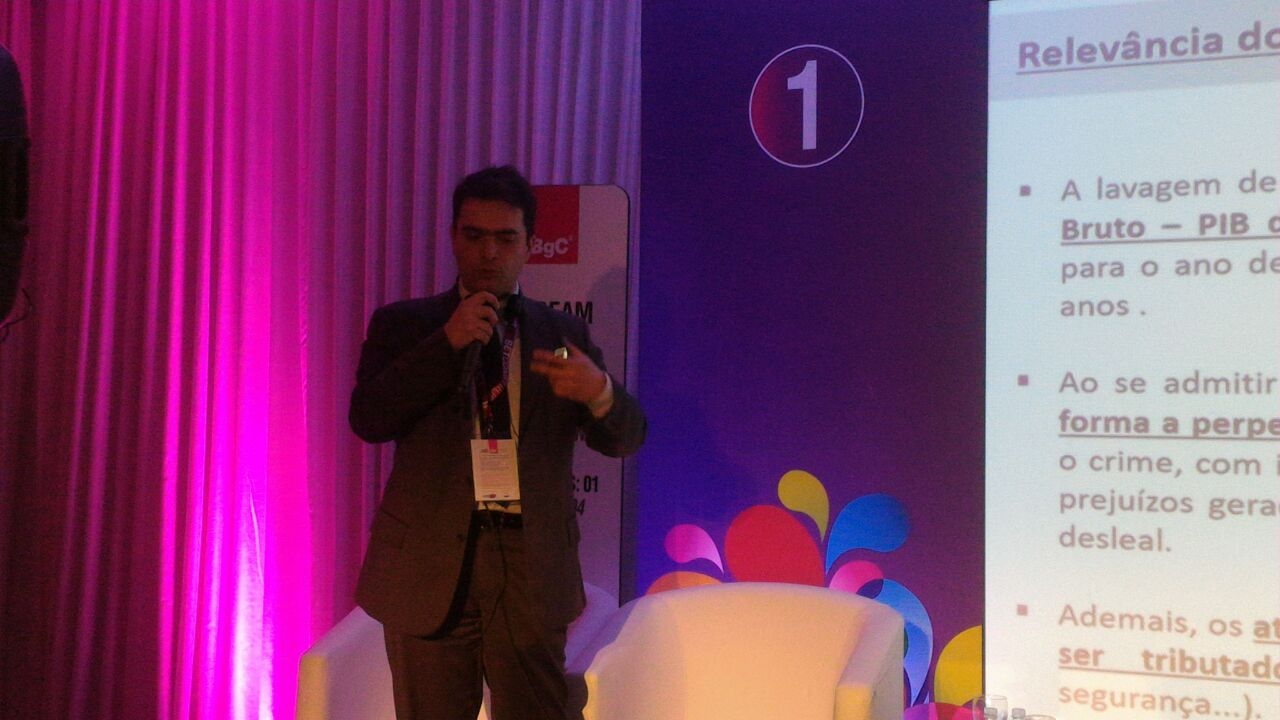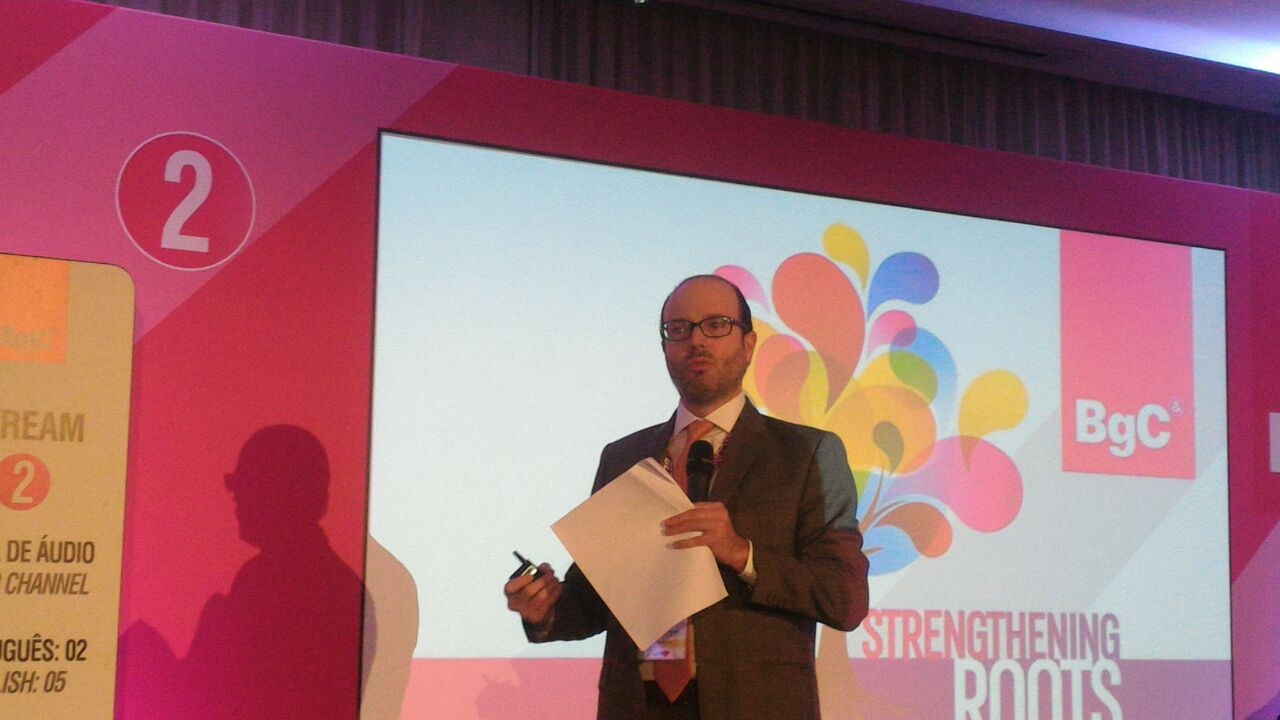




Paulo Lopes pointed out that in order to advance in the creation of a good regulatory agency, it is necessary to construct the regulation model according to the political framework and the reality of the country. According to him, "it must be defined under which ministry a regulatory agency should be created, its legal nature and the degree of autonomy of the entity. In addition, it is important to clearly typify their attributions and competencies, as well as the powers of control and inspection of the sector," he said.
Lopes said that it is very important to define an adequate budget for supervision and control activities, since a transparent and serious work requires a consideration of the operators, respect and care of the players and adequate results for the State. "Finally, it is important that the agency has technical independence and a high degree of autonomy for the provision of good service to society. Human resources must be adequate and modern computer systems to ensure effective control over the monitoring of all activities of the gaming industry. "
Lawyer Fábio Kujawski said that regulating is fundamental to any activity and political actions on regulators can not be allowed so that regulation becomes effective and professional. "Any regulator must have technical autonomy and independence, without any political interference in its actions and in the choice of its managers, in addition to budgetary capacity to be able to develop its function, to attract foreign investments. No one will invest in casinos unless there is this basic premise," he said.
Robinson Fernandes, from IPLD, has contextualized the theme of money laundering by showing the paths generally adopted by criminals to bring illegally obtained funds to legality. "Brazil has serious laws to combat money laundering and it is enough that they are followed so that the gaming industry is not exposed to this practice. Preventing money laundering involves reporting suspicious activity and identifying final beneficiaries of prizes, as well as keeping up-to-date betting records," he said.
"To leverage the law, it is enough to regulate the gaming industry to minimize money laundering risks. A well-regulated gaming industry avoids practice and makes it an attractive segment for foreign investors who have extremely strict compliance rules and could not engage in any suspicion of money laundering even if executed by a customer," he explained.
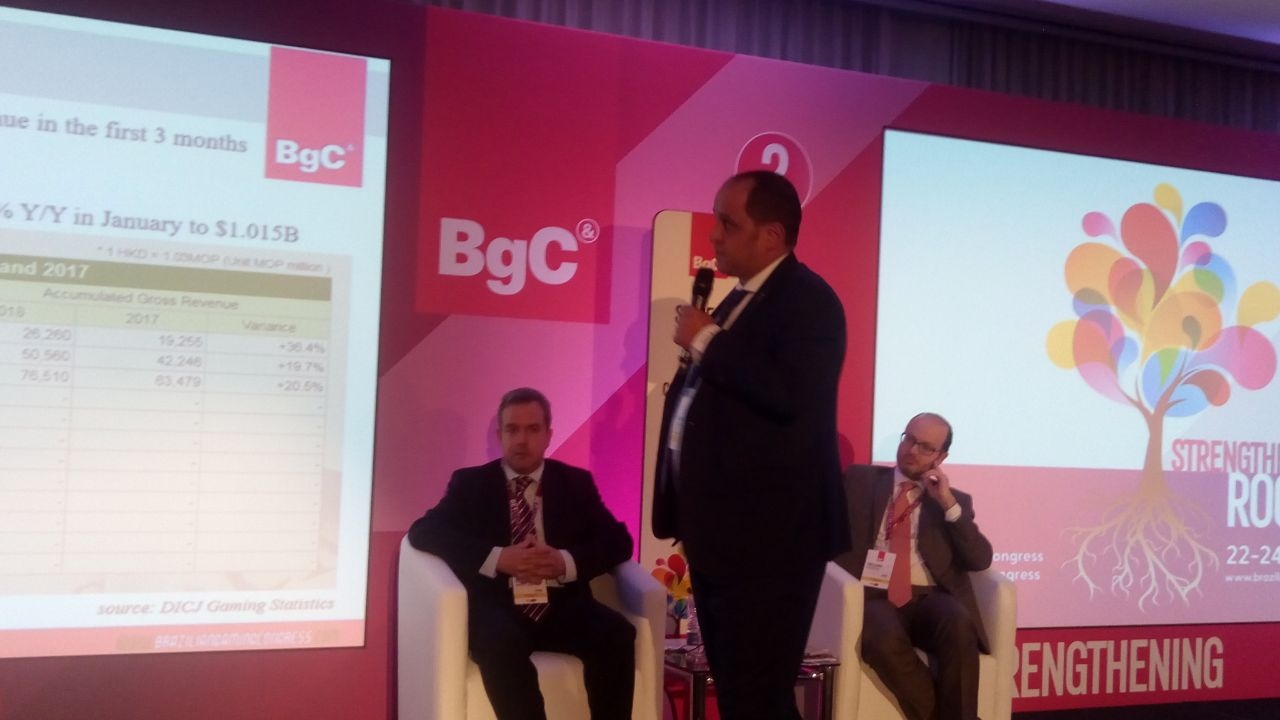
Pedro Cortés cited the example of good regulation that was made in Macau in 2002, when the sector began to seek adequate legislation for the region. "The arrival of large corporations, such as Las Vegas Sands, MGM and Wynn, for example, made the regulation extremely rigid in view of the international presence of these operators. Currently, the industry is consolidated thanks to this and should be well observed as an example to be followed." Today, according to him, no one operates any game in Macau without being approved by the legal framework established in that special region of China.
According to him, every table or machine is connected to the regulator and the government knows at the time of the bet, how much it is being bet and how much it will receive in taxes, "which demonstrates the need for an adequate online technology so that the government maintain proper control of the activity. Even facial recognition is available in regulation and this has been practiced," he said.
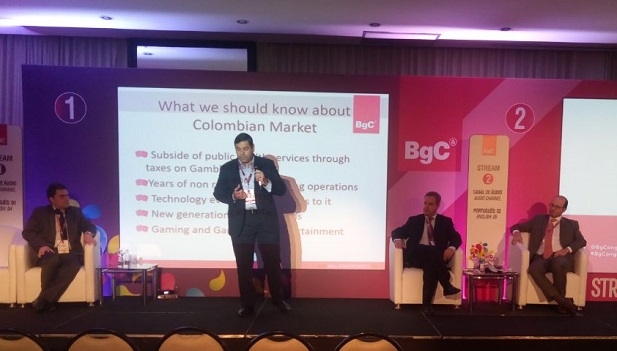
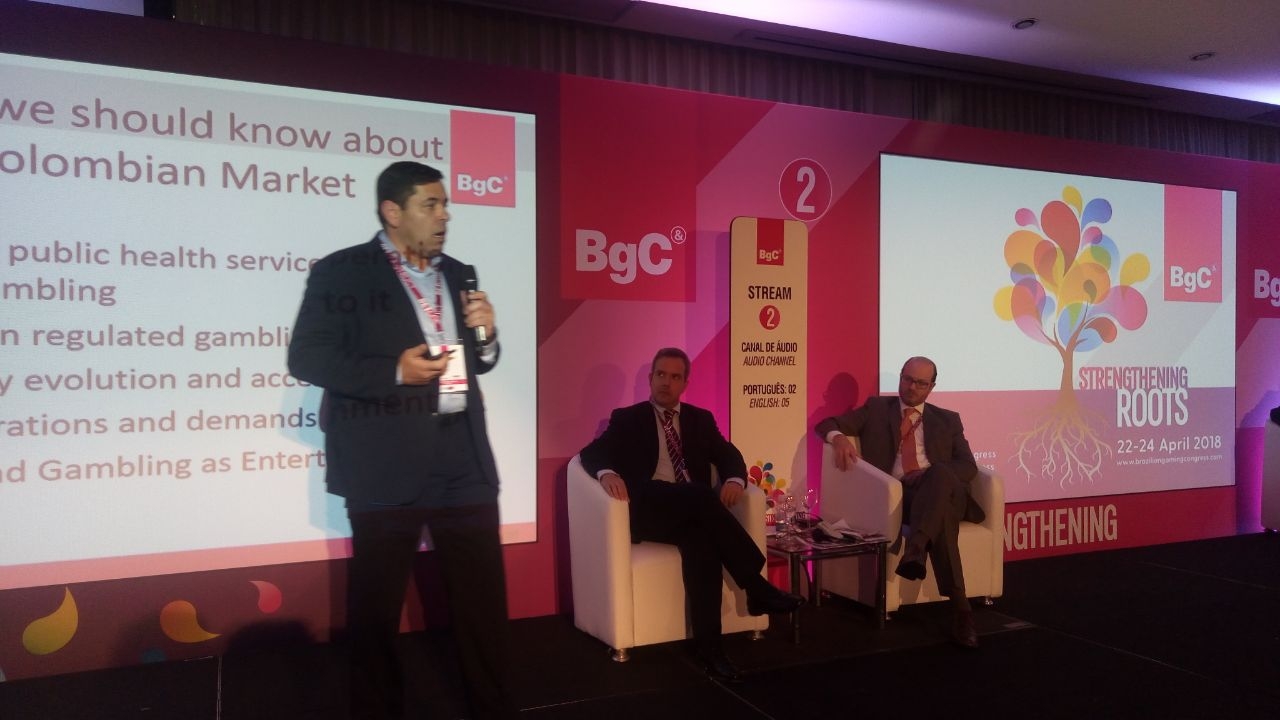
Camillo Millon, speaking on behalf of Fecoljuegos, presented the Colombian regulatory experience, noting that taxes subsidize health. "Therefore, we have strong regulations for our society to have the care it needs in the health area. Now, we are also at the forefront of regulating online gaming, too. The operators have matured their activities in physical casinos and are now operating online and expect the same result for the benefit of society," he said.
Predicting risks, he said, is imperative in good regulation. "We have a large market in our hands, because we have 55% of the population as players, which means an expense of US$ 85.00 per person/year, which turns us into a sector with high financial impact and tax revenue to be applied in health, "he explained.
Source: Exclusive GMB