




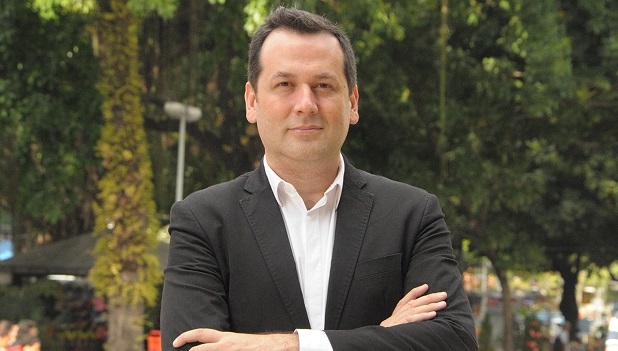
In the opinion article on O Globo, urban planner Washington Fajardo, who is an expert about Rio de Janeiro’s history, culture and heritage, highlights the importance of legalizing the popular jogo do bicoh in order to fight the militias.
“Our hypocrisy with the bicheiros (jogo do bicho operators) and their clans, and with the game itself, for example. How can the oldest and most popular game of chance be illegal? Were it converted into an official, just like the Mega-Sena and so many other lotteries, it could finance the carnival in Rio. Who cares about that?” reflects Fajardo.
Recently, local popular singer Zeca Pagodinho stated that the game is one of his favorites and has even made good money: "The other day I bet R$ 100 and won R$ 1,800", he revealed in an interview for Veja Rio. After the revelation, he was asked what he thought about the legalization of the ‘jogo do bicho’. The singer just answered: "Is it illegal?"
The artist's statement became one of the most commented subjects on Twitter. "Zeca Pagodinhho is the biggest Brazilian alive," said one. "This man deserves to be canonized," said another.
Washington Fajardo
He was Special Advisor for Urban Affairs at Eduardo Paes City Hall, is former President of the Rio Patrimony of Humanity Institute (IRPH), advisor to the Rio de Janeiro Architecture and Urbanism Council (CAU-RJ), creator of the Brazilian Design office, a city scholar, among other positions.