



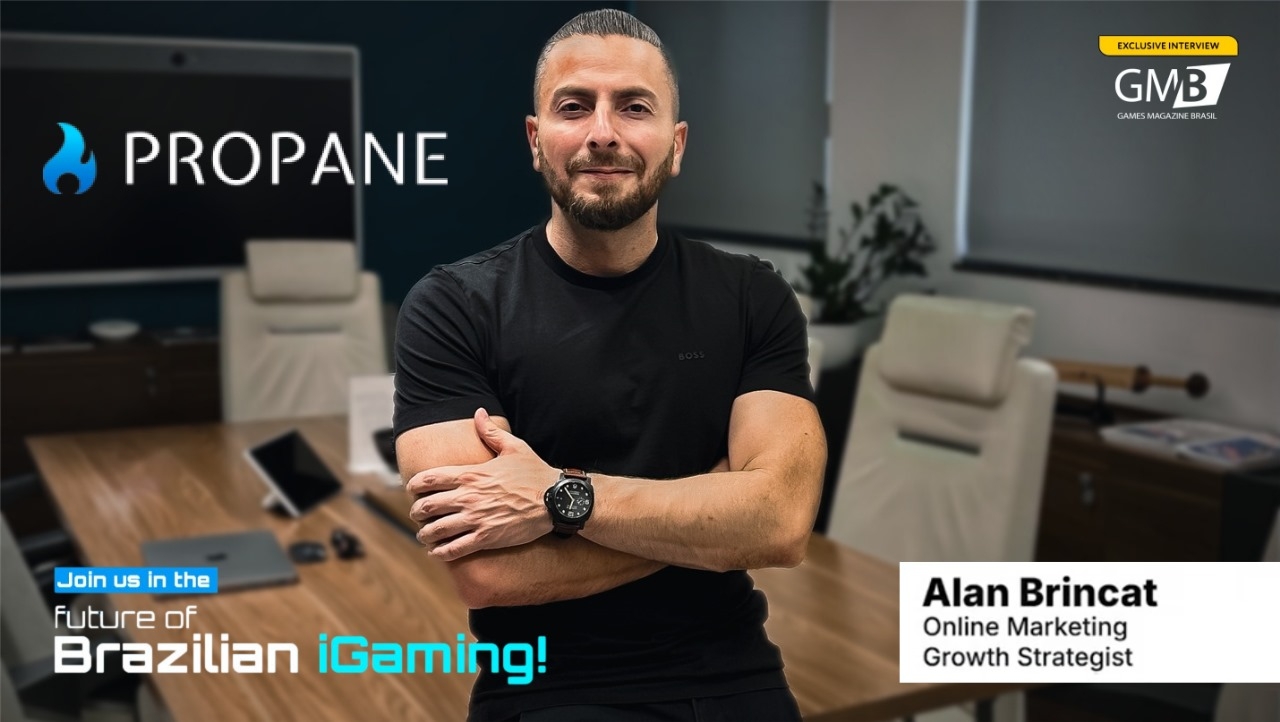
GMB - What sparked your leap from one of the smallest countries to Brazilian ventures?
Alan Propane - Coming from Malta, an island of just 500,000 inhabitants, my journey to Brazil was actually quite organic. Malta pioneered iGaming regulation in Europe 20 years ago, which created a unique expertise hub. After graduating, I got sucked into the Gaming industry's explosive growth there. While Europe was comfortable territory, after a decade working for leading European operators I wanted to step away from managerial roles and focus on my passion for Marketing.
In 2018, I launched my consultancy company, and fate handed me a client trying to break into the Brazilian market. They had invested significantly but weren't seeing returns. I helped them relaunch their brand and marketing. The results were immediate – we achieved more in the first month than their entire previous year. From that point onwards, there was no turning back.
How do recent Brazilian regulatory developments compare to what you experienced in Europe?
I've had the unique perspective of being directly involved in multiple regulatory transitions across Europe. Starting with Betclic in 2010, I experienced firsthand the regulation of both the French and Italian markets. Since then, I've helped operators navigate regulatory changes in the UK, Germany, Sweden, Spain, and Portugal – each with their own challenges and lessons.
Brazil's journey, however, presents some distinct contrasts – it has also faced unprecedented delays. The resistance here is unique; with trade bodies and even the attorney general recently filing injunctions in an attempt to stall betting regulation. This is particularly concerning because the real cost of these delays is borne by the Brazilian people, especially in terms of abuse by scammers, the lack of a responsible gaming framework, and uncontrolled advertising.
Could regulatory dynamics trigger a dramatic reshuffling of brand market shares in 2025?
I do not foresee any sudden shift. The top 5 brands currently control 66% of the market, and they're actively investing to strengthen their position. Entry barriers are increasing - with high license fees, narrower margins due to tax and restrictions on welcome offers. The initial license window saw a surprisingly high number of applicants, but I expect less than half to obtain one. Many appear to be placeholders to buy a few more weeks, or do not meet the full requirements.
Market dynamics suggest potential consolidation through mergers and acquisitions. Beyond Betnacional's 56% acquisition by Flutter, we're watching for additional M&A activity. Betsson, known for strategic expansions in LatAm markets, is likely to be an active player. Regulatory uncertainty remains a concern.
Shifting regulatory goalposts midway, like the recent ordinance, and the ongoing legal battle between the government and Loterj could deter potential investors. Betway's market exit highlights the potential instability. One thing is for sure, the effectiveness of enforcement against unlicensed operators will be crucial in shaping the market's future competitive landscape.
What prompted your recent video highlighting concerns about Brazilian media reporting?
The current media narrative is characterized by absurd claims and misinformation that dangerously polarizes public understanding. Some journalists are consistently prioritizing clickbait over responsible reporting, spreading provocative headlines without balanced perspectives from industry experts.
These sensationalist stories often lack context and accuracy, potentially misleading the public and inappropriately influencing policy discussions.
While industry associations like ANJL and IBJR are doing commendable work separately, the betting industry itself has struggled to present a unified front against negative publicity. This fragmented response allows misrepresentative narratives to persist.
While legitimate regulatory concerns exist, meaningful dialogue requires accurate, nuanced reporting. Regulation is both necessary and inevitable, but it should be driven by factual information. Ultimately, we need responsible journalism. The current approach serves neither the public interest nor the industry.
Last week you won an Award for Community Engagement at SiGMA Malta. What role would you like to see CSR to play in the Brazilian betting market?
The recognition from SiGMA was truly gratifying, as it acknowledged collaborative work with one of our clients – Lottoland; not only in supporting their marketing, but also meaningful charitable initiatives.
Last year, Propane donated over 12,000 kg of food to Brazilian charities and established a partnership with Centro Esportivo Santa Marta, a fight gym in a Rio favela for another client brand. We also arranged for UFC fighters who typically work with Propane as Influencers - to conduct free workshops for underprivileged community members there.
Our approach to Corporate Social Responsibility isn't about boosting Propane’s image - it's about genuinely leveraging our corporate resources and client base to make a positive contribution. We believe it's crucial for companies to give back to the communities they operate in, especially in Brazil where social inequalities are significant. For Brazilian betting operators, CSR shouldn't be just a PR strategy, but a genuine commitment to social good - that we would love to see more of.
What inspired you to launch Propane - a marketing agency in the Brazilian market?
Propane was born to fill a clear gap we identified. Most local agencies lacked deep iGaming expertise, while European agencies often struggle to understand Brazilians. Our agency bridges this divide by combining insights from years of experience in European markets, with local Brazilian knowledge.
My business partner Leonardo Benites brought critical local market understanding and assembled an exceptional team on the ground. We specialize exclusively in servicing operators and providers in Brazil, leveraging our extensive experience in navigating regulated markets. Our unique approach allows us to provide cutting edge marketing solutions with high ROI, that genuinely resonate with the specific dynamics of the Brazilian market.
After 15 years in the industry what makes the Brazil challenging or interesting for you?
The start of my journey in Brazil was actually quite a humbling experience. Arriving in 2018 right after leading an online casino startup to become a market leader in Germany, I quickly realized the Brazilian market was radically different to what I had experienced before. Back then, online casino was still a big taboo here, with complex payment challenges.
The transformation began in 2020 with innovations like Pix, the rise of Crash Games, and slick Influencer campaigns from companies like Stake and Blaze, who managed to challenge the norm.
SEO which worked like a charm elsewhere for casino, was initially ineffective due to sparse casino-related searches. Adapting required a complete reimagining of the traditional approach. Brazil is very unique - with land-based casinos illegal since 1946 and online betting regulation now happening before land-based gambling.
This presents fascinating opportunities, especially since players had limited prior exposure to casino games. The market's novelty means game preferences are still malleable. We're seeing huge interest from game studios seeking our support to take their content viral, to emulate the success of games like Aviator and Fortune Tiger.
What marketing strategies does Propane find effective in reaching Brazilian audiences?
As a full-service marketing agency, we offer flexibility in our approach. Some operators entrust us with managing their entire marketing budget and KPIs, while others seek support with specific channels depending on their in-house capabilities.
Our three primary marketing channels are Influencer Marketing, Sponsorships, and Performance Marketing. In Influencer Marketing, we go beyond typical brokering. We meticulously curate influencers who align with a brand's target audience and develop complete content strategies to maximize monetization and results.
Sponsorships have been particularly effective, especially with Serie A collaborations and MMA promotions. Our goal is always to deliver results that justify investment through competitive customer acquisition costs (CPAs) rather than just branding.
Performance marketing on Google and Meta is crucial, and we insist on robust tracking and full-funnel visibility. If an operator lacks this infrastructure, we help them establish comprehensive attribution systems to optimize spending. In addition, we've cultivated strong partnerships with key platforms like Apple, Netflix and most Brazilian mobile phone carriers, which further enhances our marketing capabilities.
What marketing advice would you give to operators looking to succeed in Brazil?
In less than two months, the rules of the game in Brazil will change forever. There will never be a better time than this. Fewer restrictions, no taxes plus Brasileirão season in full swing, before the summer break.
This is the best time to capture market share, and offset the pressure from the R$30 million license fee before the traditional Q1 slow down. With over 5,000 unauthorised sites blocked by Anatel, there are plenty of players looking for a new home. I invite you to check out my video 5 Things Betting brands in Brazil should focus on before January 2025.
Source: GMB