





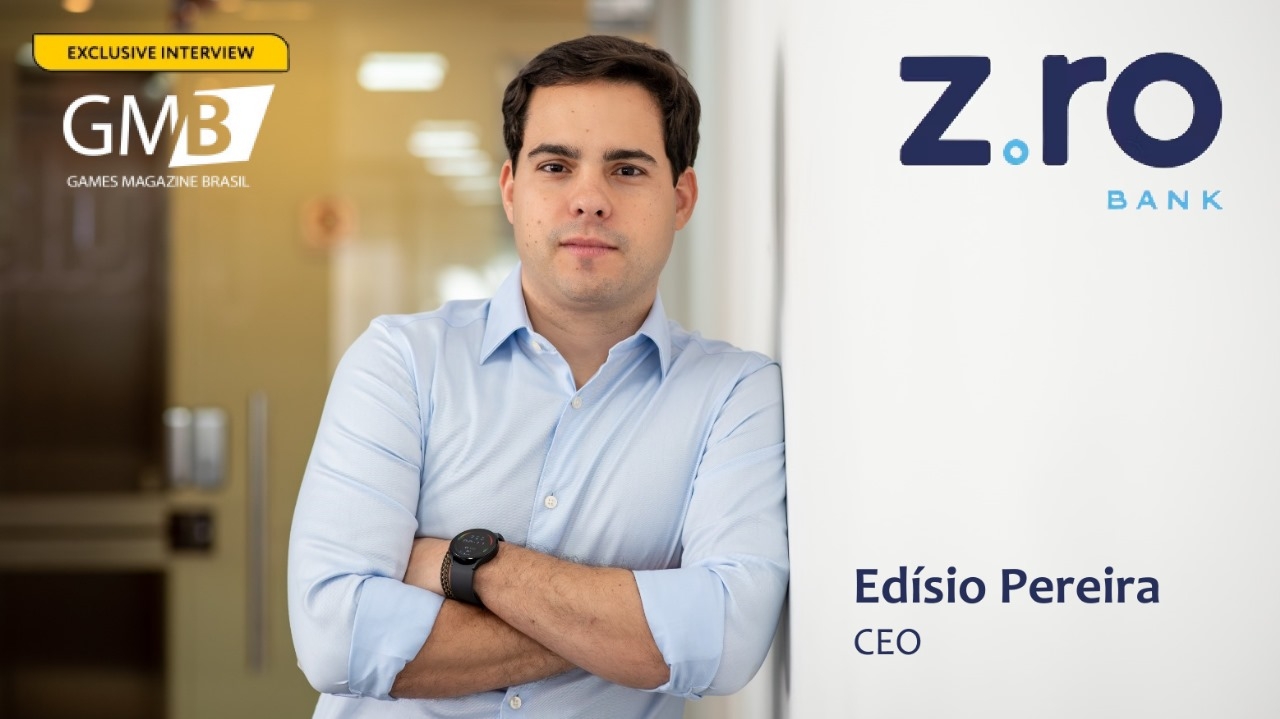
GMB - Z.ro Bank was not originally founded as a payment company. Could you talk a bit about this trajectory?
Edísio Pereira Neto - Z.ro Bank was established in 2020 in Recife as the country’s first multi-currency digital bank, initially allowing people to have a digital account integrated with a cryptocurrency wallet in the same environment. This innovation resulted in over 1 million downloads of our app.
In October 2021, we received an investment of R$ 25 million from a venture fund, focusing on further developing our own core banking system. We understood that almost all banks use market systems, and this could be our main differentiator, as more and more large companies want to tailor financial solutions to their needs.
During this period, Pix emerged with exponential growth and became the most requested service by companies. Our system processed over 5% of all Pix transactions from companies to individuals in Brazil, and Z.ro began to be recognized as a techfin with solutions integrating Pix, currency exchange, and crypto.
Currently, we are a Payment Institution authorized by the Central Bank (and a month ago we were ranked in the Top 3 companies with the highest revenue growth in Brazil over the past year by Exame magazine). With a 100% proprietary system, we develop payment solutions for various players, including the sports betting market. Via API, our multi-bank gateway meets all the needs of companies that are currently foreign and are now adapting their technologies to the new post-regulation moment.
Since last year, Z.ro Bank has shown significant growth. What are the main performance numbers and goals for 2024?
In 2023, we surpassed R$ 22.5 billion (US$ 4bn) processed in transactions via Pix, currency exchange, and cryptocurrencies, increasing our net revenue by 1,200%. In 2024, we aim to deliver a net revenue above R$ 100 million (US$ 17.7m), maintaining an EBITDA margin of approximately 40%, proving the importance of being a technology company with high scalable potential in the financial market.
What factors do you attribute to your current success and how has the inclusion of major betting houses in Brazil contributed to this growth?
To operate in markets with high transaction volumes, significant investment in technology and compliance is required to ensure that our partner does not disappoint their end customers, resulting in revenue loss.
Z.ro Bank’s technology operates as a multi-bank gateway, integrating not only its own API but also those of four other traditional banks, for instant payments and receipts, with dynamic QR Code generation. This variety of banks provides 100% liquidity, 24 hours a day, so clients do not face issues during peaks that can exceed 50,000 Pix transactions per minute.
Z.ro Bank is present in over 20 betting operators that have applied for licenses with the Ministry of Finance, including the largest players in the country, such as Betnacional, Aposta Ganha, H2 Bet, F12 Bet, Galera Bet, and Caesars Sportsbook, part of the American Caesars group, a publicly traded company in the US that will start its operations in Brazil from January 2025.

Z.ro Bank is increasingly involved with the sports betting market, through partnerships or campaigns. What are the current initiatives the institution is promoting to serve this segment, and how has this impacted the bank’s visibility in the market?
This year, we took advantage of high cash flow to increase our investment in marketing, participating in more than 10 international events, as well as tripling our technology team, now over 100 people, to address a waiting list of companies already in the integration process and to develop new services. With these investments, we plan to increase the number of integrated companies by seven times in 2024.
What new services are planned for the coming months?
Our digital payment hub is progressing alongside the Central Bank’s launch schedule. Z.ro’s technology team is working so that from the first day of the launch of instant payments such as Pix Installments, Pix Automatic, and Pix by Proximity, our clients can integrate these services into their operations.
The regulation of betting is a reality in several countries, and now in Brazil. What benefits can it bring to the market?
Regulation is crucial for the country. Brazil was excluded from this segment in which more than 170 countries, including major world powers, coexist with gambling. During this time, Brazilians traveled abroad to spend money that could stay in the country or, with technological advances, gambled online on foreign platforms, wasting the potential revenue for both the private and public sectors. This moment is important to separate serious companies from opportunistic ones and brings enormous investment potential to our country.
We know that the market is very heated and that some betting operators operate completely incorrectly. Mismanagement of financial flows, with companies not registering currency exchange, especially for concurrent operations (Entries x Exits), is an example. Aggressive marketing that seeks to deceive less informed people and sells gambling as a means of livelihood, rather than as an entertainment platform, is another common issue. Regulation arrives precisely to address these issues and allow the market to grow organically and healthily.
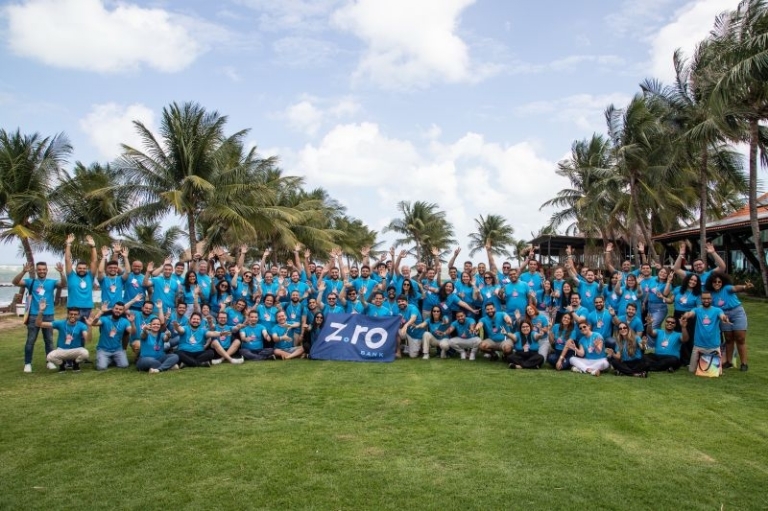
What are the differentiators that Z.ro Bank offers to operate in the Brazilian market?
Z.ro Bank stands out in the financial market for having been operating with major betting operators for two years, not only as a Pix specialist with an A rating in Bacen’s ranking and 99.98% availability but also with various functionalities already adapted to the market, such as integration of proprietary and transactional accounts, the ability to create and manage subaccounts, automatic refunds and returns of third-party payments, Pix splits, instant notifications via WebHook, 24/7 support from a specialized team in this segment, and various dashboards and reports customized for the sector.
These differentiators are crucial for players to understand that it’s not just about transaction cost, as losing a few minutes with the service offline or causing friction in the transaction can cost millions of reais for these companies.
Source: Exclusive GMB