




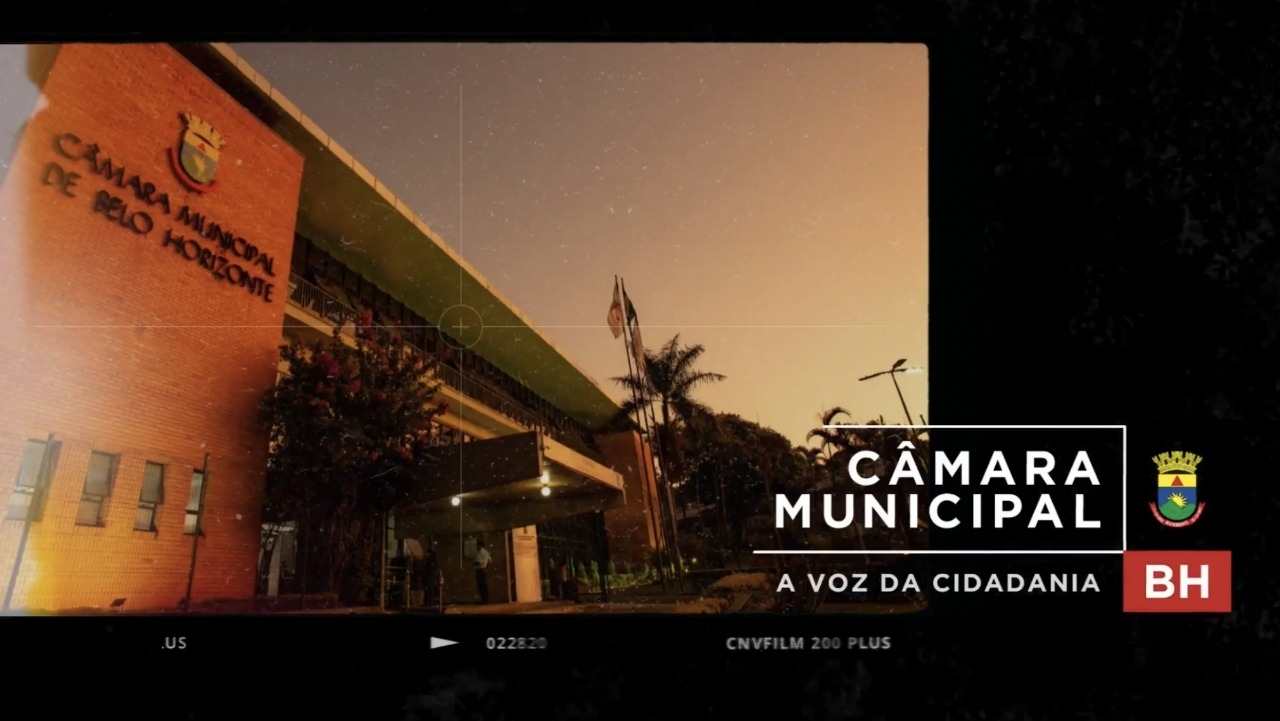
With the CLJ’s approval, the proposal will now proceed through three additional committees before being analyzed in the plenary session, in a first round of voting, where it will require the support of two-thirds (28) of council members.
The opinion affirming the constitutionality, legality, and procedural compliance of the bill — presented by councilor Dra. Michelly Siqueira (PRD) — was unanimously approved by the committee on Tuesday (October 14).
The rapporteur stated that she saw no issues regarding jurisdiction, initiative, or constitutional principles, noting that municipalities have the authority to levy taxes both on urban property and land and on services of any nature.
Michelly also confirmed that the proposal aligns with the current legal framework and “does not present any violation of existing legislation on the subject.”
Currently, Belo Horizonte collects 5% of the Municipal Services Tax (ISSQN) on activities such as the distribution and sale of lottery tickets, bingo games, betting slips, raffles, and prize draws, including those tied to capitalization bonds.
Mayor Álvaro Damião’s idea is to lower the rate to 2% in order to attract “Bets” to establish themselves in Belo Horizonte.
“With the significant growth of online betting businesses — known as ‘bets’ — and the progress of national regulation, there is a clear movement of companies seeking to establish operations in Brazil and become regular ISSQN taxpayers,” argued Damião.
According to the city’s estimates, based on 2025 projections, the additional revenue generated by these companies could reach R$ 2.8 million (US$511,000), even accounting for the projected tax waiver of R$ 11,685.34 (US$2,136)
Before reaching the plenary, the bill will pass through the Committees on Education, Science, Technology, Culture, Sports, Leisure, and Tourism; Urban Mobility, Industry, Commerce, and Services; and Budget and Public Finance.
Opposing bills
Alongside Damião’s proposal, two other bills under discussion in the Council seek to ban advertising and promotion of betting games. One, led by councilor Wagner Ferreira (PV), treats gambling addiction as a public health issue.
“This bill seeks to prohibit advertisements related to betting and online gaming — a fundamental measure to protect society from associated risks, to prevent individuals from developing serious psychiatric disorders, and to shield them from potential and severe indebtedness,” said Ferreira in his justification.
Ferreira’s proposal has already passed through three committees and is awaiting review by the Urban Mobility, Industry, Commerce, and Services Committee. A similar bill, introduced by councilor Pedro Rousseff (PT), is in the same stage. Rousseff’s proposal aims to curb the influence of gambling and sports betting advertising on Belo Horizonte residents.
“By banning such advertising in the municipality, the City Council contributes to reducing compulsive behavior triggers and promoting collective well-being. This represents a legislative step proportionate to the challenges posed by this market — not restricting individual freedoms, but limiting practices that induce addiction through aggressive marketing strategies,” argued Rousseff.
'Bets' tax debate
The advancement of Damião’s bill in the Belo Horizonte City Council coincides with national debates over taxation on online betting companies. Recently, the Chamber of Deputies withdrew from its agenda a provisional measure (MP) that included alternatives to increasing the Financial Transactions Tax (IOF). That proposal also included raising taxes on betting and financial investments.
A few days later, Deputy Lindbergh Farias (PT-RJ), leader of the Workers’ Party in the Chamber, introduced a bill to double the tax rate on online betting operators from 12% to 24%.
Meanwhile, Senator Cleitinho Azevedo (Republicanos-MG) announced that, during the discussion of income tax exemptions for individuals earning up to R$ 5,000 (US$914), he intends to propose an amendment creating a compensatory tax targeting “the three Bs” — bets, banks, and billionaires.
Source: O Tempo