




The regulation of the sports betting and online gaming market in Brazil, formalized by Law No. 14,790/2023, has permanently changed the dynamics of the sector. With stricter rules on compliance, taxation, and communication, betting operators have had to adapt in order to remain competitive. Within this new scenario—where advertising limits are clear and responsibilities have increased—there is also a growing need to develop creative marketing strategies capable of attracting new audiences without crossing regulatory boundaries.
This shift has brought challenges but also opened new opportunities. Today, there is no room for campaigns that suggest quick wealth or rely on misleading messages. The focus is now on presenting betting as a form of entertainment, with responsibility and safety at the core, emphasizing brand credibility and transparency in the relationship with players.
This transformation is not happening in isolation. Industries such as alcoholic beverages and financial services have long dealt with strict communication restrictions and managed to turn those limitations into competitive advantages. The same trend is emerging in the betting industry, with increasing space for educational initiatives, social engagement, and content strategies that connect brands to audiences in an authentic way.
Taxation and additional costs also demand a more strategic approach. Whereas the market once operated with relative informality, today every advertising investment must be carefully planned. This has led companies to rethink the role of digital channels, on-site activations, and even partnerships within local communities. The right combination of these elements will likely be decisive for sustaining growth in a sector undergoing deep transformation.
Within this context, some initiatives are already standing out as references. In Paraná, for example, HiperBet has developed an expansion project that established 15,000 physical brand activation points in partnership with Megamania, a company from the same business group that operates capitalization bond programs.
The strategy leverages an existing and proven network, creating an entry point to introduce the platform to new audiences organically and in compliance with sector regulations. At the same time, the company has strengthened its digital presence, expanding reach on social media and exploring new community-driven activations to foster engagement.
This case demonstrates how regulatory constraints can be transformed into opportunities for differentiation. By combining a physical presence in strategic locations, digital growth, and communication aligned with the concept of responsible entertainment, HiperBet sets an example of a sustainable and replicable expansion model for other regions in Brazil.
More than simply complying with rules, the sector must start viewing regulatory compliance as a brand asset. In a competitive and still maturing market, conveying trust and reliability is essential to achieving relevance among audiences.
The future of betting in Brazil will increasingly depend on the ability of companies to balance innovation and responsibility. Those capable of doing so will be best positioned to turn challenges into opportunities and build a solid, enduring trajectory within the industry.
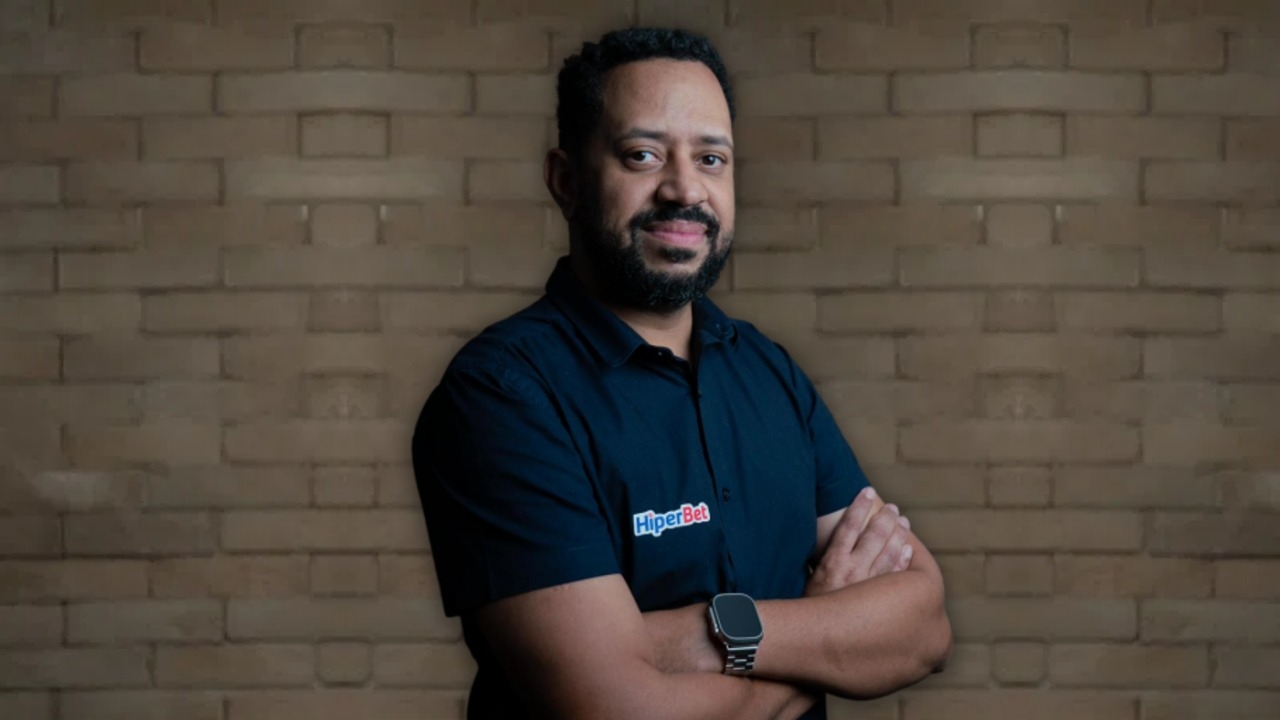
Igor Sá
CMO & COO at HiperBet