




We are about to complete ten months since the start of sports betting regulation in Brazil, and so far, there are several indicators of how right that decision was.
In the first half of 2025, around 17.7 million Brazilians placed sports bets, and 78 companies were authorized to offer fixed-odds betting, out of a total of 182 regulated operators.
The total gross gaming revenue (GGR) of authorized companies reached R$17.4 billion (US$3.1bn), resulting in approximately R$3.8 billion (US$691m) in federal taxes, plus R$2.2 billion (US$400m) in license fees and R$50 million (US$9.1m) in regulatory fees. These numbers prove that the formalization of the sector is generating a direct return to the state and society.
But if we want to consolidate this path, we need to be clear: simply taxing more is not enough and, in many cases, can even be a mistake. The industry is still adapting to the new rules.
Many companies have invested heavily in technology, compliance, infrastructure, responsible advertising, and partnerships. This movement only happened because there was confidence in a reasonably predictable business environment.
When we talk about increasing the tax rate so soon, the risk is undermining that confidence and opening the door to the return of the illegal market — which doesn’t pay taxes, doesn’t follow regulations, and offers no consumer protection.
From October 2024 to June 2025, more than 15,400 betting websites were taken down by Anatel, showing that the parallel market remains strong and must be tackled consistently.
We’re not afraid of paying taxes. What we need are clear rules, stability, and, above all, fair competition. The sector moves substantial amounts and represents an engaged audience that deserves protection and predictability.
Furthermore, the fight against the illegal market cannot be just rhetoric — it must be a practical priority. Only then will we ensure that the companies that chose to become regularized continue to contribute, generate jobs, sponsor sports and culture, and deliver even more revenue to the country.
If we do that, Brazil has everything it takes to become a global benchmark in sports betting. But to achieve this, we must adopt a long-term vision and show respect for those who chose to operate within the law.
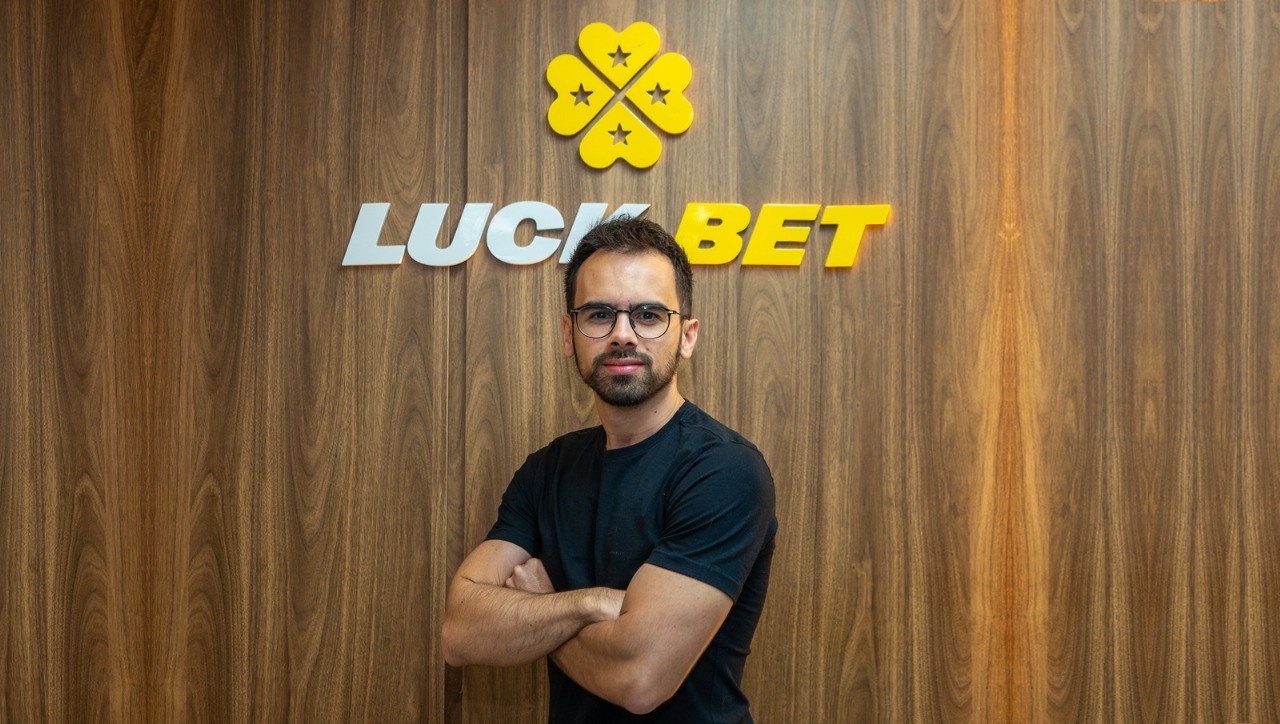
Marcus Dutra
CFO, Luck.bet