




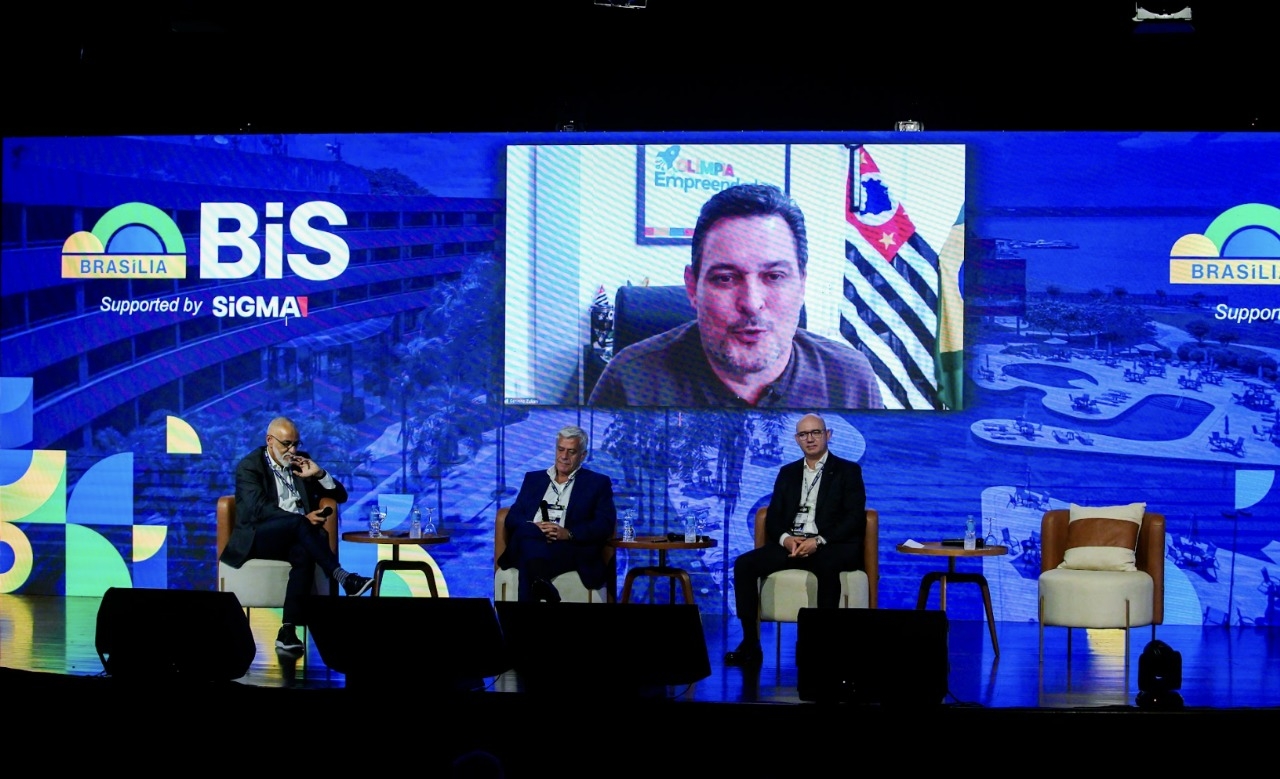
Henrique Severien, president of the Brazilian Hotel Industry Association of the Federal District (ABIH-DF), explained that the bill calls for the creation of 61 casinos nationwide—27 in tourist destinations and 34 integrated with resorts.
He believes the proposed model, combined with strict control over activities (such as the use of CPFs to register guests and players), would reduce crime, prevent foreign exchange evasion, and strengthen the Brazilian tourism industry.
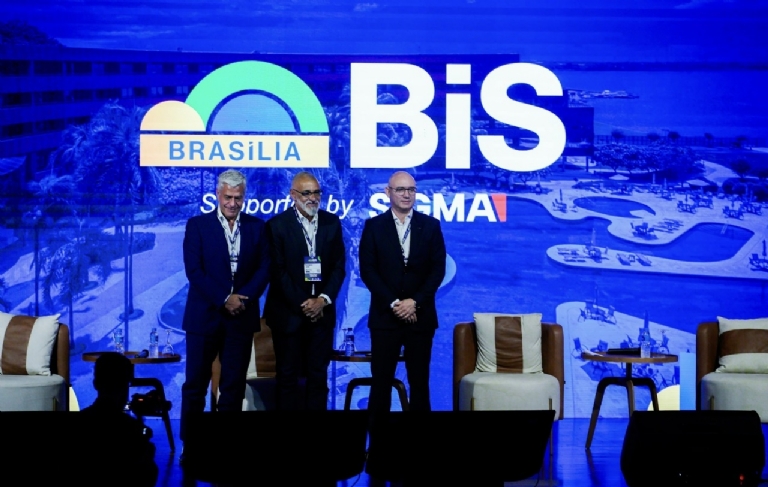
One example cited during the debate was the city of Olímpia, São Paulo, which has already anticipated federal legislation and approved local regulations to allow casinos integrated with resorts.
According to former mayor and current federal deputy Geninho Zuliani, the city currently has 35,000 hotel beds and receives approximately 5 million tourists per year, placing it in a privileged position to benefit from a legalized market.

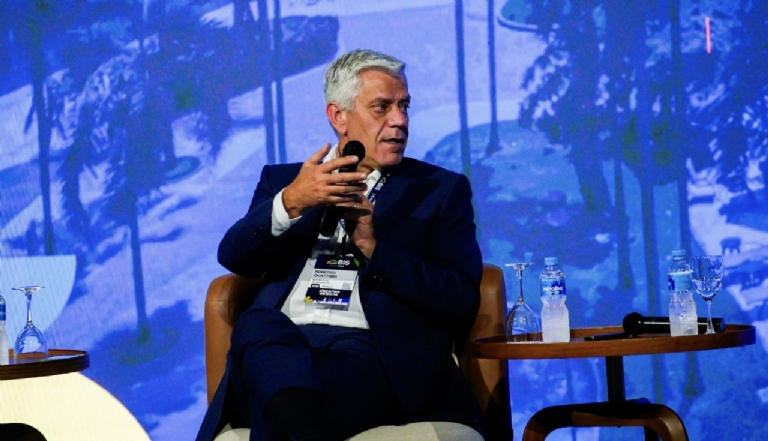
For Roberto Quattrini, managing director of Novomatic, which operates in over 50 countries, the legalization of casinos should not be seen as an incentive for addiction, but rather as an opportunity to regulate an activity that already exists informally: "It's time for Brazil to unlock this potential to further strengthen national tourism," the executive stated.
Quattrini also highlighted the importance of legal certainty in attracting international investors. According to him, "regulatory instability, when the government changes its mind in a few months, creates nervousness among major players and drives away foreign capital that could boost the sector."
As moderator of the panel, José Magno, president of the Brazilian Institute of Legal Gambling (IJL), argued that the legalization of casinos and bingo halls will not only boost tourism and the economy, but also ensure transparency and state control over an already existing activity.
According to him, the model could generate hundreds of thousands of jobs and billions in tax revenue, in addition to attracting international investment to the country.
Another point highlighted was the impact of sports betting regulations, which came into effect in January 2025. Legalization allows part of the revenue to be channeled to Embratur (Brazilian Agency for International Tourism Promotion), contributing to the promotion of Brazil as a global destination.

Participants also advocated for the creation of efficient control mechanisms, such as mandatory registration of transactions via PIX (Information Transfer Protocol) or bank transfer, to ensure greater fiscal transparency and operational security.
In consensus, experts stated that legalizing casinos represents a strategic opportunity to diversify Brazilian tourism, increase revenue, and formalize a market that, in practice, already generates billions of reais in the country.
Source: GMB