




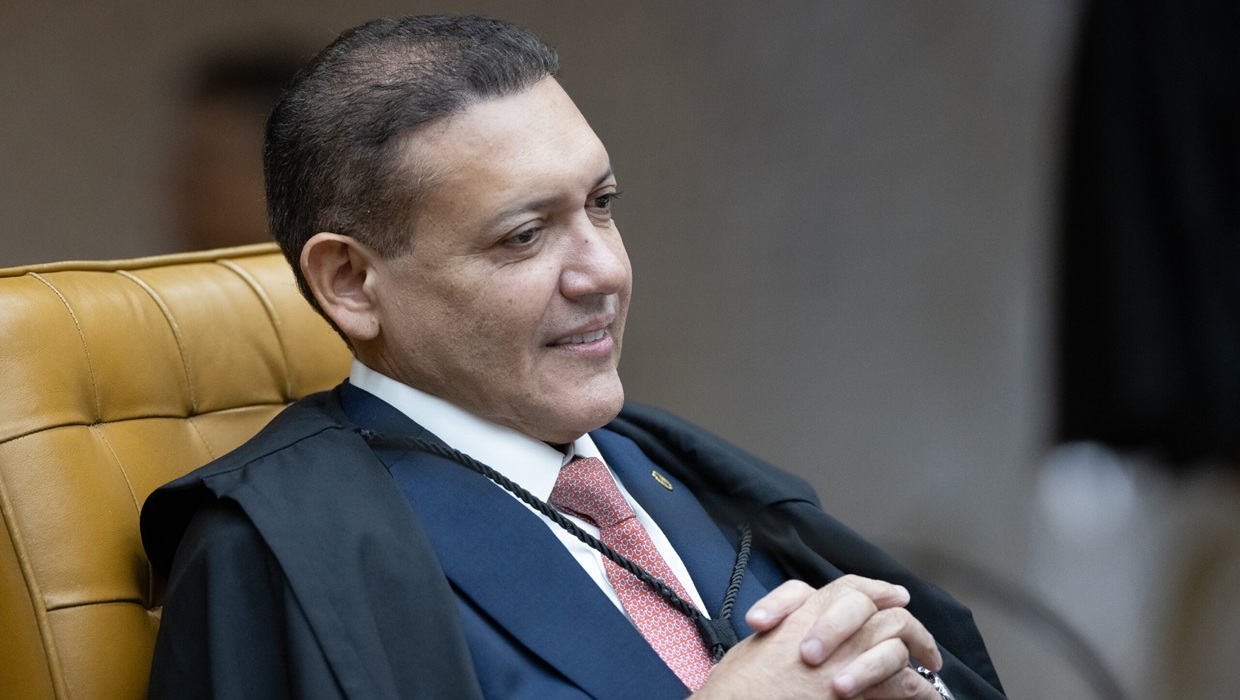
The lawsuit was filed by the Solidariedade party, which is seeking the provisional suspension of municipal laws that created local lottery systems, arguing that such regulations violate the Union's exclusive authority to legislate on consortiums and lotteries.
In March of this year, the rapporteur denied a request for a preliminary injunction to suspend operations, highlighting the importance of the matter and ordering a hearing with the responsible authorities "with a view to a final judgment on the dispute, without prejudice to the possibility of considering the precautionary request at any time, considering the risk and urgency outlined in the initial complaint," Nunes Marques noted.
Information was gathered from the Attorney General's Office and the Attorney General's Office, and both spoke out against the operation of lotteries by municipalities.
On the other hand, city halls and municipal councils maintain that the creation of local lotteries is supported by the principle of municipal autonomy and local interest, and that the Constitution does not expressly prohibit the operation of this type of service by municipalities.
They argue that municipal lotteries can represent a new, legitimate source of revenue, earmarked for public policies in areas such as social assistance and healthcare, in addition to expanding free competition and the supply of products to consumers, without compromising federal regulation.
The ruling on ADPF 1212 will be decisive in determining whether lottery operations can be decentralized or remain under exclusive federal regulation. The outcome is likely to directly impact the competitive environment and regulatory predictability of the betting market, currently one of the fastest-growing sectors in the country.
Since December 2023, with the regulation of betting, nearly 80 Brazilian municipalities have passed laws to create municipal lotteries. However, the federal government considers the practice illegal. Law 14.790/2023, which regulated fixed-odds betting, establishes that only the Union, states, and the Federal District may operate such services.
Source: GMB