




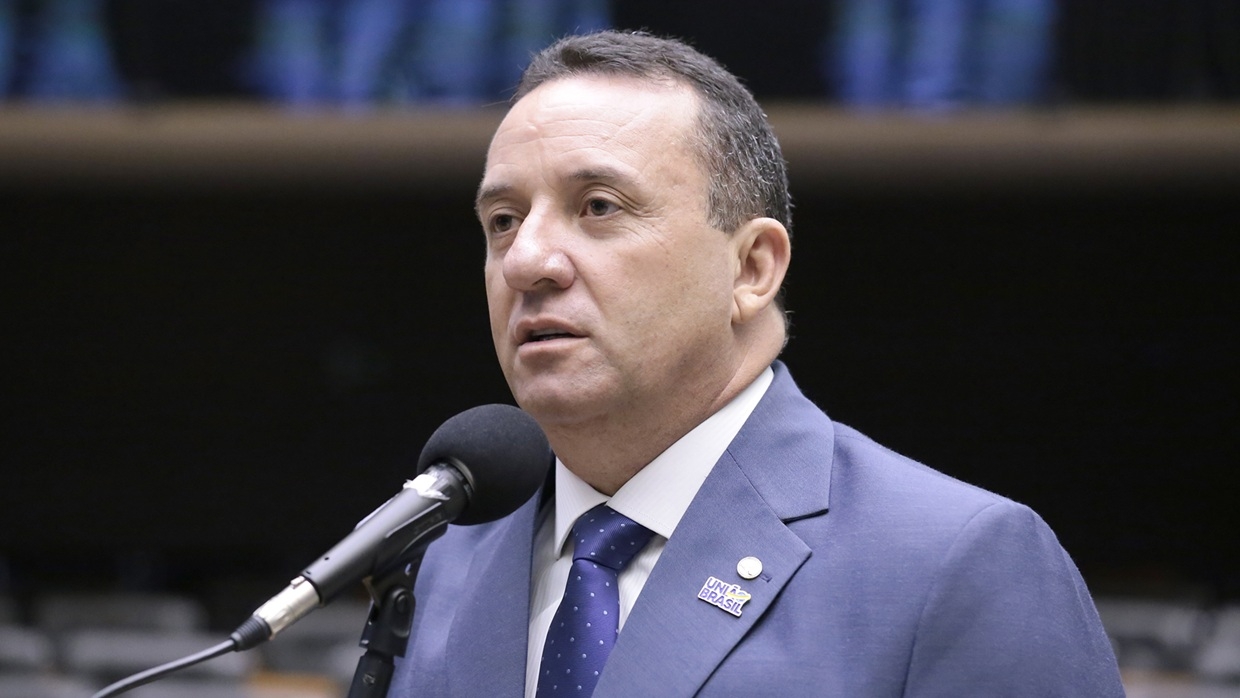
Bill No. 5401 provides for the retroactive collection of federal taxes from operators that have operated in the past five years “regardless of the existence of formal authorization to carry out the activity or of having headquarters within national territory.”
The tax incidence will cover all revenues arising from the economic exploitation of the activity, including retained prizes, commissions, and any amounts received as compensation or profit participation. The assessed amount will be subject to a 100% fine, late payment interest, monetary correction, and other legal charges.
Operators will be required to submit to the Federal Revenue Service, within 90 days from the approval of the bill, a single regularization declaration containing complete information on revenues, assets, rights, and amounts derived from betting activities, including those held abroad.
The declaration must cover operations carried out over the past five years, including:
I – annual turnover and gross gaming revenue (GGR);
II – tax base for the applicable levies;
III – identification of ultimate beneficiaries, whether domestic or foreign;
IV – volume of prizes paid, retained, and unclaimed; and
V – amounts transacted through domestic financial intermediaries.
In the justification, the congressman states that the bill aims to ensure the retroactive collection of federal taxes owed by operators that exploited the Brazilian market without authorization prior to January 2025, when the regulated sector was formally launched.
“During that period, several companies — many of them headquartered abroad — operated targeting Brazilian consumers, with campaigns in Portuguese, use of the national financial system, and collection of revenues from residents in the country, without properly paying ordinary taxes such as Corporate Income Tax (IRPJ), Social Contribution on Net Profit (CSLL), and PIS/Cofins. The absence of specific regulation did not eliminate the incidence of these general tax obligations, which apply to all economic activity carried out within national territory,” commented representative Pastor Diniz.
He further states that the proposal does not constitute the creation of a new tax, but rather the enforcement of the legislation in effect at the time of the taxable events.
“In addition to promoting fiscal justice and fairness, the bill has high revenue potential, possibly generating over R$ 12 billion (US$2.25bn),” the bill’s author highlights.
The measure is still awaiting referral by the Speaker of the House.
Source: GMB