




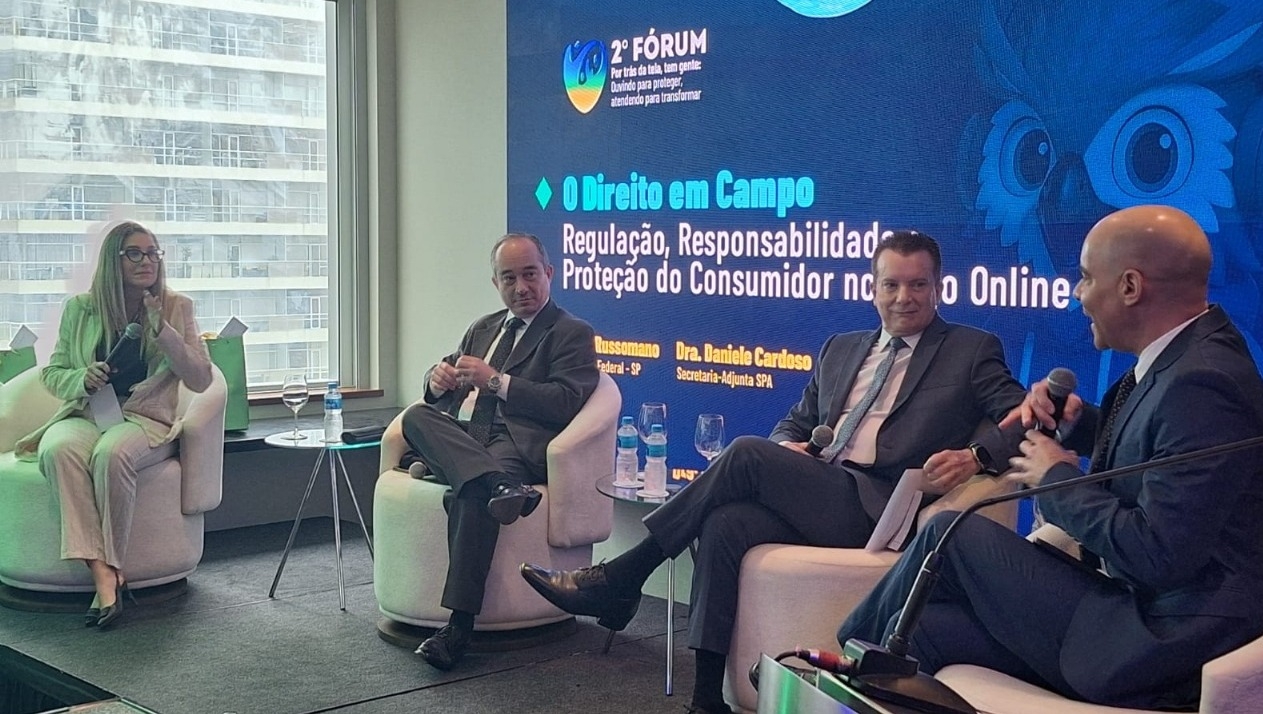
Daniele Cardoso, Deputy Secretary at the Prizes and Betting Secretariat (SPA), provided an update on the number of illegal betting sites taken down in cooperation with Anatel, which now stands at around 23,000.
“When we talk about illegal sites, it’s important to highlight that we have several fronts in this effort. We have a technical cooperation agreement with Anatel for the takedown of illegal betting sites. Whenever we identify an irregular operator—whether through reports, monitoring, or cooperation with Conar—we act to remove it. We’ve already reached nearly 23,000 sites taken down,” said Daniele Cardoso.
According to her, this joint movement, together with specific regulations for payment methods—including restrictions on the use of cryptocurrencies and the requirement that payment facilitators cannot serve illegal sites—has helped close the net and is expected to discourage the creation of new irregular operators.
This initiative, supported by the Central Bank, led to the publication of a new ordinance (SPA/MF No. 566/2025), establishing guidelines for payment institutions involved in betting transactions.
“Financial institutions and payment providers must monitor, supervise, and report any suspicious transactions to us. We have already begun receiving these reports and are analyzing them, sharing information with the Central Bank, the Federal Police, and the Federal Revenue Service. In parallel, we’re also moving forward with advertising regulations,” Cardoso added.
She also highlighted upcoming measures in favor of player health, which are being developed by the Interministerial Working Group on Mental Health and Problem Gambling Harm Reduction (GTI).
“We are close to launching a centralized self-exclusion platform. Through it, citizens will be able to exclude themselves from all SPA-regulated platforms at once,” she revealed.
During the forum, other discussions addressed gambling addiction from a psychological and public policy perspective. Marcos Sabiá, CEO of Galerabet, celebrated the initiative, reaffirming the company’s commitment to industry leadership and social responsibility.
“Galerabet positions itself at the forefront of discussions that go beyond gaming and impact society as a whole. Combating the harmful effects of gambling addiction, ensuring responsible advertising, and promoting a healthy industry are commitments not only of our company but of the entire regulated market in Brazil.
We want to show that this is an industry committed to the country, to ethical values, and to building a productive path for society. After decades of illegality, this activity must break the stigma and reaffirm its commitment to legality and Responsible Gaming. Today, the sector generates billions in taxes and hundreds of thousands of jobs, demonstrating its economic relevance,” Sabiá emphasized.
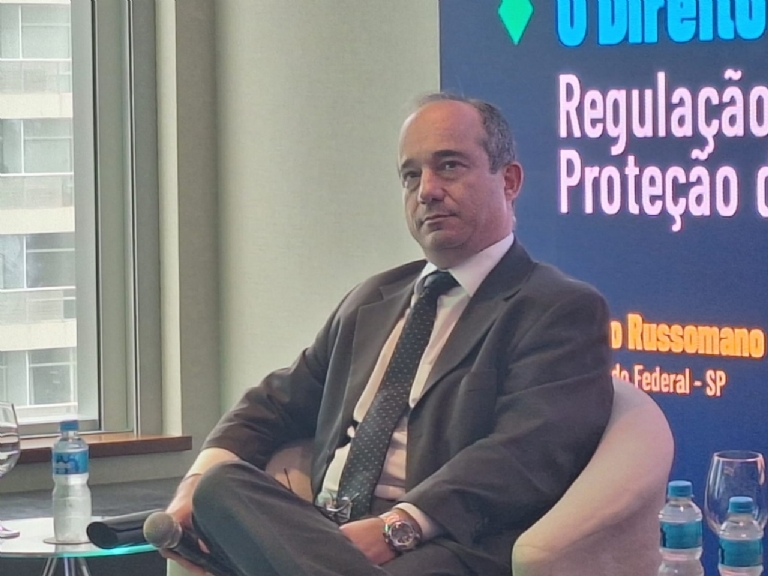
Panel 1 – The mind at play
Titled “Psychological Aspects of Gambling Addiction and the Challenges of Clinical Care,” the first panel brought together André Negrão, psychiatrist at the Hospital das Clínicas of São Paulo; Rafael Ávila, clinical psychologist; and Marco Paes, lawyer and Galerabet’s Ombudsman Director.
The discussion focused on gambling addiction as a mental health condition requiring care and empathy rather than punishment. Speakers examined the psychological impact of gambling and the institutional and clinical mechanisms for prevention and treatment, highlighting the importance of listening, empathy, and human-centered policies in Responsible Gaming.
Psychiatrist André Negrão spoke about the importance of psychological monitoring for bettors suffering from gambling-related disorders, particularly during periods of high stress and tension.
“As in chemical addiction, there’s often silence until the situation collapses. The social cost seems small at first, but when it surfaces, desperation follows. The person loses money, believes they can recover it, and takes out loans repeatedly. It’s essential to address this denial process and how to recognize it,” he explained.
Clinical psychologist Rafael Ávila highlighted how addiction also affects the people around the player.
“Studies show that each person with a gambling disorder affects about six others — what we call ‘passive gambling.’ It can mean loss of income, family breakdown, or aggression during withdrawal periods.It’s never an individual problem — it creates ripple effects that harm families, reputations, and even the perception of regulation itself,” he said.
Marco Paes, Galerabet’s Ombudsman Director, spoke about strategic ombudsman practices as a bridge between players and care, turning customer service into a tool for prevention and emotional support.
“At Galerabet, our goal has always been to make customer care human. We want to solve issues on the first call — to listen, welcome, and resolve. The ombudsman’s role is to help and to care, and we’ve seen this approach really working,” he said.
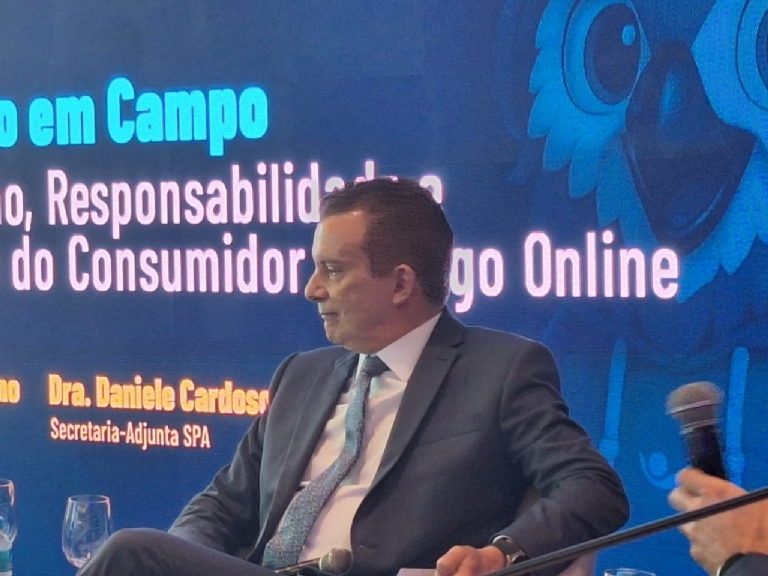
Panel 2 – From digital to public policy
The second panel, “The Role of the State in Preventing Gambling Addiction and Promoting Responsible Gaming,” featured Fernanda Meirelles, Partner at FAS Advogados; Francisco Manssur, former special advisor to the Executive Secretariat of the Ministry of Finance; and Ana Bárbara Teixeira, Director of Abrajogo.
Discussions emphasized that Responsible Gaming must be a shared commitment between government, industry, and society.
Speakers reinforced that effective public policies, supported by regulation, enforcement, and prevention, are essential to balance economic freedom with consumer protection.
“When the player is in the illegal market, all data and oversight are lost. It’s only through data—like income levels or betting patterns—that we can truly protect players. Preventing access to illegal markets is crucial,” said Fernanda Meirelles.
Francisco Manssur stressed that tackling illegal operations is central to addressing the main challenges of the sector.
“No matter how good the regulations are, or how compliant legal operators may be, we cannot succeed without confronting the illegal market. There are four main measures: restricting illegal advertising, prohibiting platform providers from serving unlicensed sites, taking down illegal domains, and blocking their payment methods — the latter being the most effective,” he noted.
Ana Bárbara Teixeira, Director at Abrajogo, underlined the importance of data collection to shape better policies.
“We’re working with operators on a study to identify how much players actually spend on platforms. We need to understand user profiles based on real data to address issues effectively,” she said.
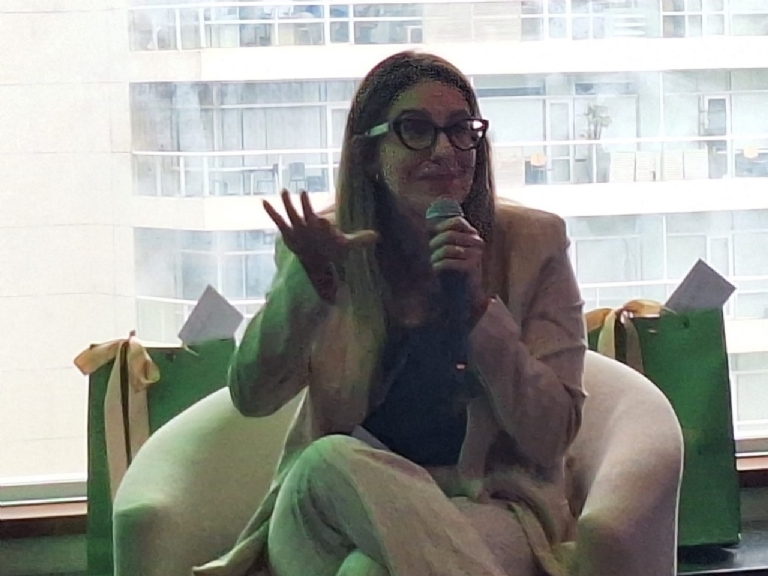
Panel 3 – Law on the field
In the third panel, in addition to Daniele Cardoso, Deputy Secretary at the Prizes and Betting Secretariat (SPA), participants included Federal Deputy Celso Russomanno and Luís Orsatti, Executive Director of Procon-SP.
Titled “Regulation, Responsibility and Consumer Protection in Online Gaming,” the discussion highlighted the essential role of consumer law in balancing the market and protecting citizens in an increasingly sophisticated digital environment.
Luís Orsatti, Executive Director of Procon-SP, shared the agency’s impressions on the first ten months of the regulated market.
“At Procon-SP, we’ve seen an average 40% increase in consumer complaints on betting platforms compared to last year. It’s a small number but significant, considering this is a new sector that has faced a long legislative gap,” he noted.
Deputy Celso Russomanno reinforced the importance of regulation from a consumer rights perspective: “Gaming is a service, and it must have clear parameters: transparency, awareness, and fulfillment of promises made to the consumer. We must care about consumer protection in gaming just as in any other service,” he said.
“‘Bets’ must act transparently; otherwise, even if legalized, they will still face sanctions. Credibility comes through advertising and transparency. Each operator must take care of its image — when one loses credibility, it affects the whole market,” he added.
Source: GMB