After nearly a year since the injunction issued by Supreme Federal Court (STF) Justice Luiz Fux, which ordered the Ministry of Finance, the competent authority under Law 14.790/2023, to implement immediate special protection measures preventing participation in fixed-odds betting using funds from social and welfare programs—such as Bolsa Família, the Continuous Cash Benefit (BPC), and similar initiatives—the Secretariat of Prizes and Betting (SPA/MF) has finally amended Brazil’s 'Bets' regulations to restrict access for Bolsa Família and BPC beneficiaries to sports betting and online gaming.
However, it must be stated from the outset: the Secretariat went beyond what the STF established—or, in other words, effectively failed to comply with the judicial order and, with all due respect customary in the legal field, committed yet another absurdity, adding to the many already produced by the decision itself.
Under SPA/MF Ordinance No. 2,217, dated September 30, 2025, betting operators are required to prevent registration or usage of their betting systems by Bolsa Família and BPC beneficiaries. Yet these individuals do not necessarily rely solely on the income derived from such social and welfare programs. However small—and indeed they are—the resources that individuals eligible for these programs may receive monthly, nothing prevents them from having other sources of income.
Thus, by prohibiting every beneficiary of these programs from registering or maintaining an active account in operators’ databases, the SPA/MF exceeded the STF’s mandate, as it also prohibited funds earned from other legitimate activities by Bolsa Família or BPC recipients from being used for betting.
The judicial decision already revealed, at its core, a paternalism disguised as care—a gesture of surveillance, regulation, and restriction that reflects a culture of victimization, where only those who can provide for themselves without government aid are deemed truly deserving of broader freedom.
The Federal Government went even further, adopting an exaggeratedly paternalistic stance, “protecting the poor” as if they were incapable or second-class citizens, reinforcing the denial of full citizenship and contributing to the spread of stigma and prejudice against a social class already long burdened by hardship in Brazil.
Although we live in a predominantly Christian country, gambling is neither a sin nor a salvation. It is—and should remain—a form of entertainment, one that, like many others, requires moderation. To immediately equate it with vice or illegality is to judge by a selective moral standard, especially when the scrutiny targets those who already have little or nothing.
More seriously, it assumes that the poor cannot make their own choices, needing constant supervision and protection from themselves. It is the old temptation of the “tyranny of the well-intentioned,” as C. S. Lewis warned—where censorship does not stem from malice, but from the moral conviction of those who believe they know what is best for others, even if initially guided by good intentions.
To paraphrase the President: Bolsa Família is not charity—it is a right. And rights are exercised with freedom—within the boundaries of the law, but with freedom nonetheless. Monitoring how beneficiaries spend their income—and worse, restricting its use based on moral criteria—is a return to the logic of conditional citizenship, where what one has matters more than what one is.
The real danger lies not in betting itself, but in the dangerous bet of normalizing this kind of control. Because today it’s 'Bets'; tomorrow it could be beer, the lottery, a new phone, a steak, or a plane ticket.
This is not about ignoring real issues such as gambling addiction and over-indebtedness, which indeed deserve serious policies of prevention and support, but about rejecting simplistic moral solutions to complex problems. After all, between freedom and moralism, it is always fairer to trust the citizen.
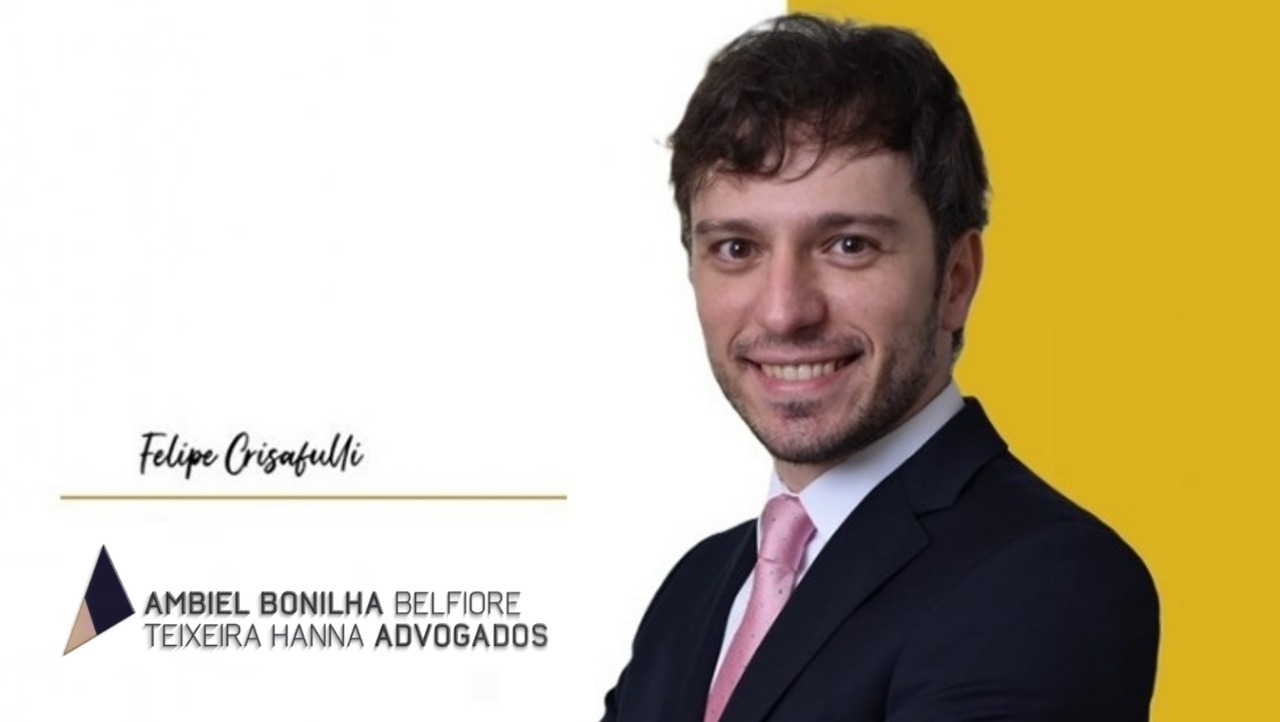
Felipe Crisafulli
Partner at Ambiel Bonilha Advogados, member of the OAB/SP Commission on Gaming, Betting and Responsible Gambling, and PhD in Law from the University of Coimbra (Portugal).