




The report on the alternative Provisional Measure (MP) to replace the increase in the Financial Transactions Tax (IOF) will include a retroactive tax charge on betting companies that operated in Brazil before the sector was regulated. The measure was added to the report as a counterbalance to the government’s decision to withdraw the planned tax hike from 12% to 18%, a concession made to facilitate approval.
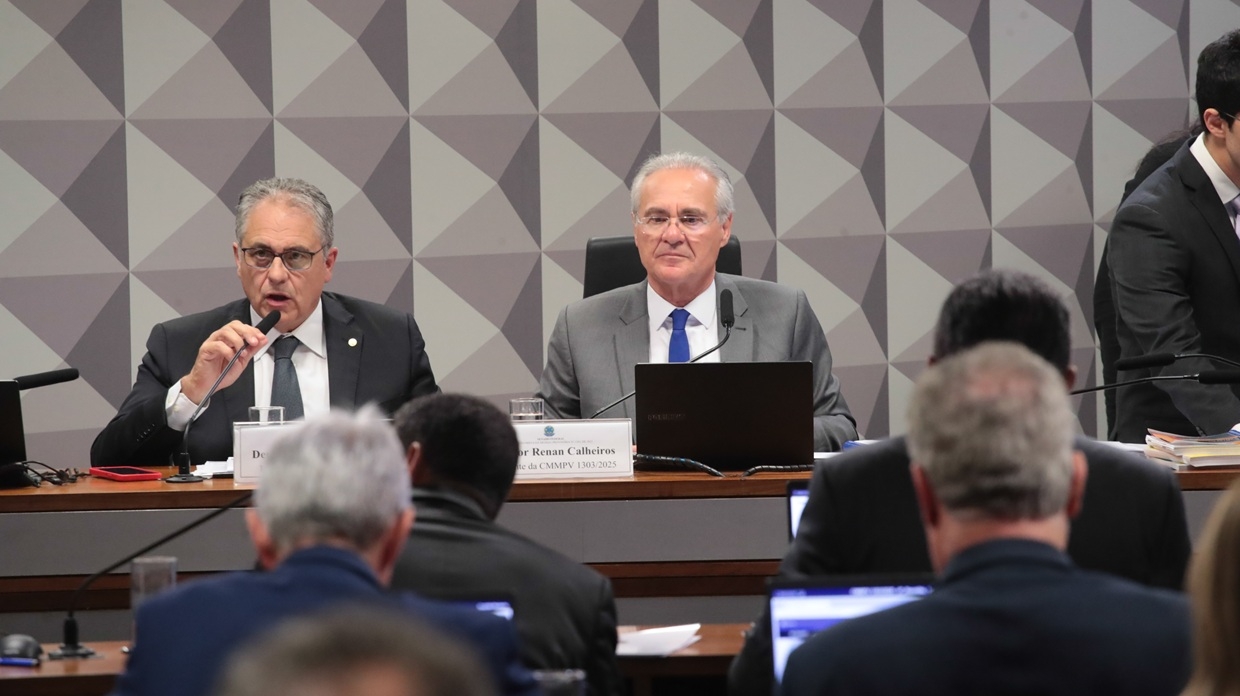
In a tight vote — 13 in favor and 12 against — lawmakers in the Joint Committee approved the document presented by rapporteur Deputy Carlos Zarattini, who maintained some of the tax increases proposed by the government and raised others, such as those on financial investments and savings.
After several rounds of negotiation with the government’s leadership, the deputy dropped the proposed increase in the betting tax rate from 12% to 18%, but introduced a provision allowing the government to collect taxes retroactively from 2014 on companies now licensed by the Secretariat of Prizes and Betting (SPA). The proposal to raise taxes on fintechs was also removed from the measure.
In his final report, Zarattini proposed measures to tighten oversight of the illegal online betting and gaming market, including a rule requiring internet providers to block unauthorized gambling sites within 48 hours of notification.
Regarding the new retroactive tax provision, betting companies will be subject to a 15% income tax rate, plus a 100% fine, with a 90-day window to join the program, covering the period from 2014 to 2024. The Special Regime for Foreign Asset and Tax Regularization (RERCT – “Litígio Zero Bets”) was proposed to avoid judicial disputes.
“The previous government failed to collect taxes owed by betting companies, and those taxes must be paid regardless of regulation,” said Finance Minister Fernando Haddad to reporters at the Senate. “The Federal Revenue Service is working to identify the betting operators that made huge profits in Brazil and transferred them abroad, without paying taxes.”
According to Haddad, the goal is for companies to repatriate funds earned in Brazil and sent abroad. The minister estimated the measure could raise R$5 billion (US$ 890 million), helping offset the expected revenue shortfall caused by the withdrawal of the planned betting tax increase.
Initially, the report projected revenue of around R$ 20 billion (US$ 3.6 billion) for next year. With the changes, expected revenue now stands at R$ 17 billion (US$ 3.0 billion), representing a R$ 3 billion (US$ 535 million) decrease.
Earlier on Tuesday, Deputy Zarattini removed the betting tax hike from the new version of his report. The measure, initially considered essential for balancing next year’s federal budget, had faced strong resistance in Congress.
Haddad went to the Senate on Tuesday to negotiate the approval of the MP. The government’s urgency stems from the fact that the Provisional Measure must be approved by Wednesday (8) at 11:59 p.m. or it will lose its validity.
According to the minister, the government reached a compromise involving concessions between the Executive Branch, the Chamber of Deputies, and the Senate. In addition to the betting tax reversal, the government also backed down on taxing credit notes, which will remain exempt.
During the Joint Committee session, some lawmakers known for opposing legal gambling criticized the removal of a clause that would have imposed a 50% increase in the direct tax rate on regulated betting companies. They rejected arguments that higher taxes could reduce revenue and drive players toward the illegal market.
The Provisional Measure report must still be voted on by both the Chamber of Deputies and the Senate by Wednesday (8) to remain valid.
Source: GMB