




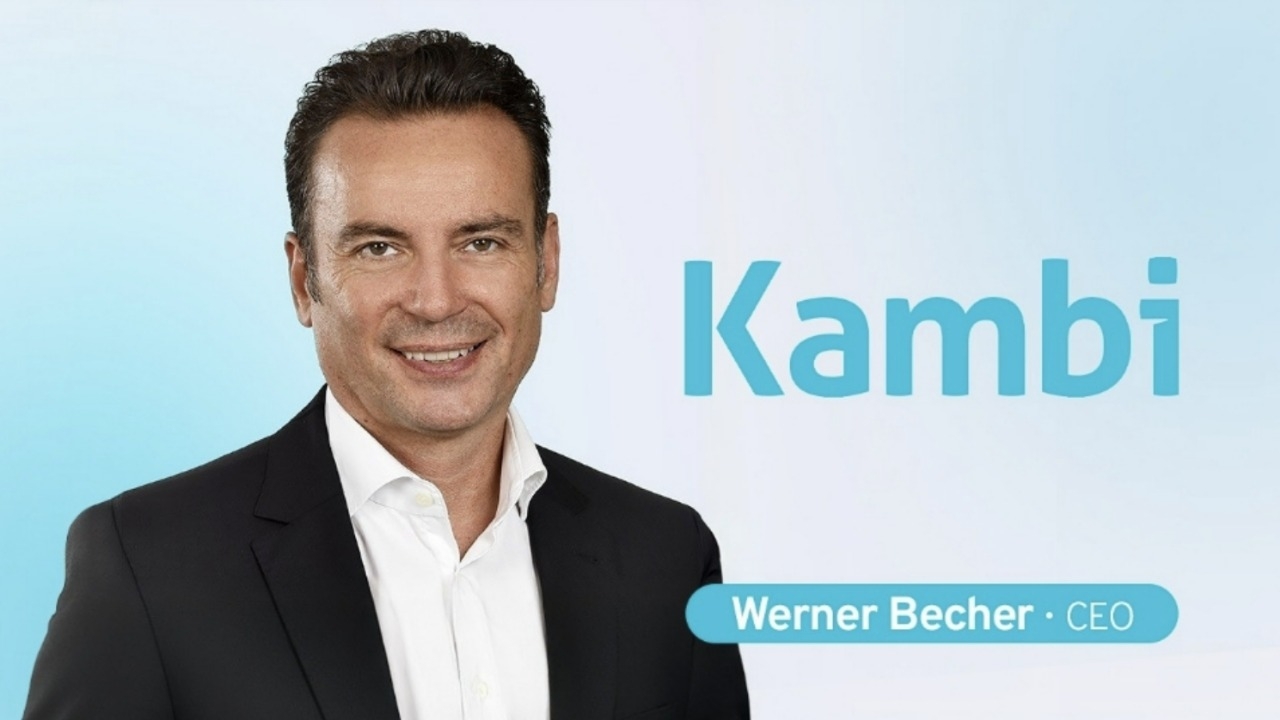
The sportsbook supplier has cut its full-year earnings forecast after reporting Q3 2025 revenue of €37.4m, down 13% year-on-year, while adjusted EBITA fell 32% to €3.4m. The company now expects full-year adjusted EBITA (acq) to reach approximately €17 million, down from the previously estimated range of €20 million to €25 million.
According to CEO Werner Becher, the downgrade reflects challenges in several areas, including the still-dominant unregulated sector in Brazil.
Becher suggested that the size of Brazil’s black market remains larger than initially estimated, hindering the country’s channelization efforts and slowing the growth of the newly regulated betting environment.
“The overall market size was a little overestimated before regulation started,” he explained. “The black market is still very big, and channelization in Brazil hasn’t worked as expected. The legalized regulated market grew slower than anticipated because of this.”
“I think everyone is a little disappointed about Brazil. The forecasts were bigger than what we’re seeing now. It’s still a huge market with incredible potential, but the problem is the black market. It’s still big. Channelisation hasn’t worked yet”, he said.
While Becher acknowledged ongoing efforts from Brazilian authorities to curb illegal gambling activity, he warned that current government discussions around raising gambling taxes could “definitely not help” the transition toward a fully regulated ecosystem.
Kambi’s Q3 results reflected these headwinds. Revenue reached €37.4 million, down 8% year-over-year (excluding transition fees), generating an adjusted EBITA (acq) of €3.4 million. The company noted that the quarter was impacted by a quieter sporting calendar compared to last year—which included the Euros, Copa América, and the Olympics—as well as increased gaming-related taxes.
Despite the slowdown, Kambi reported continued benefits from its cost-efficiency program, which will extend through Q4 and into 2026.
The company also announced that the planned launch of its partnership with Ontario Lottery & Gaming (OLG) has been delayed from Q4 2025 to Q1 2026, with all development work complete and testing underway.
On a positive note, Kambi highlighted its expanding relationship with Superbet, which will gain access to Kambi’s full sports library. Superbet, ranked 11th globally on EGR’s Power 50 list and a leading operator in several Central and Eastern European markets, also holds a prominent position in Brazil. The company additionally operates the Napoleon brand in Belgium, which Kambi expects to collaborate with again soon.
CFO David Richard Kenyon noted that among the factors influencing the revised outlook, Brazil remains the most significant. “FX matters least because it’s not structural,” he said. “OLG’s shift to January only delays revenue recognition slightly. Unfortunately, Brazil is the most important, as we’re not seeing the growth we hoped for.”
With regulatory frameworks still stabilizing and taxation discussions ongoing, Brazil continues to represent both a challenge and a long-term opportunity for Kambi and the broader gaming industry.
Source: GMB