




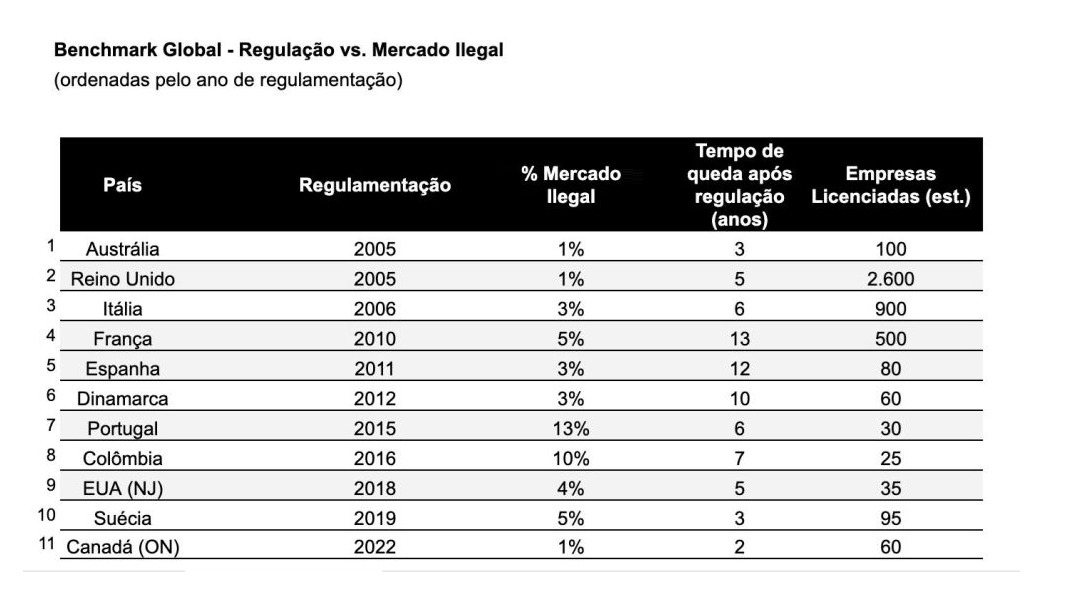
Colombia. Since 2016, the country has built a competitive model with a balanced tax burden and clear rules. Public revenue has grown more than 350%, the number of operators has jumped to 16, and the illegal market has fallen to under 10% of GGR. One third of all revenue is allocated to public health.
France. After the creation of ARJEL (now ANJ), the country established a blacklist of illegal websites, imposed sanctions, and blocked payments. The illegal market dropped from 32% to 6% in ten years. The channelization rate now reaches 94%.
United Kingdom. With regulation in place since 2005, 97% of bettors use licensed sites. The model blends robust rules with a culture of responsible gambling. The local authority maintains active oversight of operators, advertising, and consumer protection practices.
Australia. Regulated since 2001, with more than 90% market legality. The model combines efficient oversight with high technical standards, creating a transparent and secure environment.
Portugal. After adjustments to the initial model, the country reached more than 80% channelization. The experience highlights the importance of adapting rules to ensure legal competitiveness.
United States. Since the overturning of the federal ban in 2018, more than 35 states have legalized sports betting. Billion-dollar tax revenue has brought transparency, action against offshore operators, and legal certainty. States like New Jersey already exceed 80% channelization.
And Brazil? According to the Economic Report of Brazilian Institute for Responsible Gaming (IBJR):
- Around 51% of sports bets still take place with operators that have no headquarters or license in the country.
- Tax evasion exceeds R$ 7 billion (US$1.3bn) per year.
- 29% of bettors have felt misled or unsafe on platforms.
- The illegal market is estimated to represent 85% of current GGR.
This means the risk is not only financial: it is social, institutional, and fiscal.
What do we learn from the world?
1. Time matters: effective countries acted decisively in the first year.
2. More operators, less illegality: the legal market must be attractive and accessible.
3. Enforcement is key: without blocking IPs, payments, games, and advertising, the law does not take hold.
4. Safety attracts consumers: legal channels must offer trust and support.
What works:
- Clear technical criteria for licensing.
- Strict compliance and anti–money laundering rules.
- Serious Responsible Gambling policies.
- Effective sanctions and blocks against the illegal market.
- Public education and awareness campaigns.
Brazil does not need to reinvent the wheel. The path has already been tested and it works.
Leonardo Sampaio
CEO of Todos Querem Jogar (Grupo Silvio Santos)