




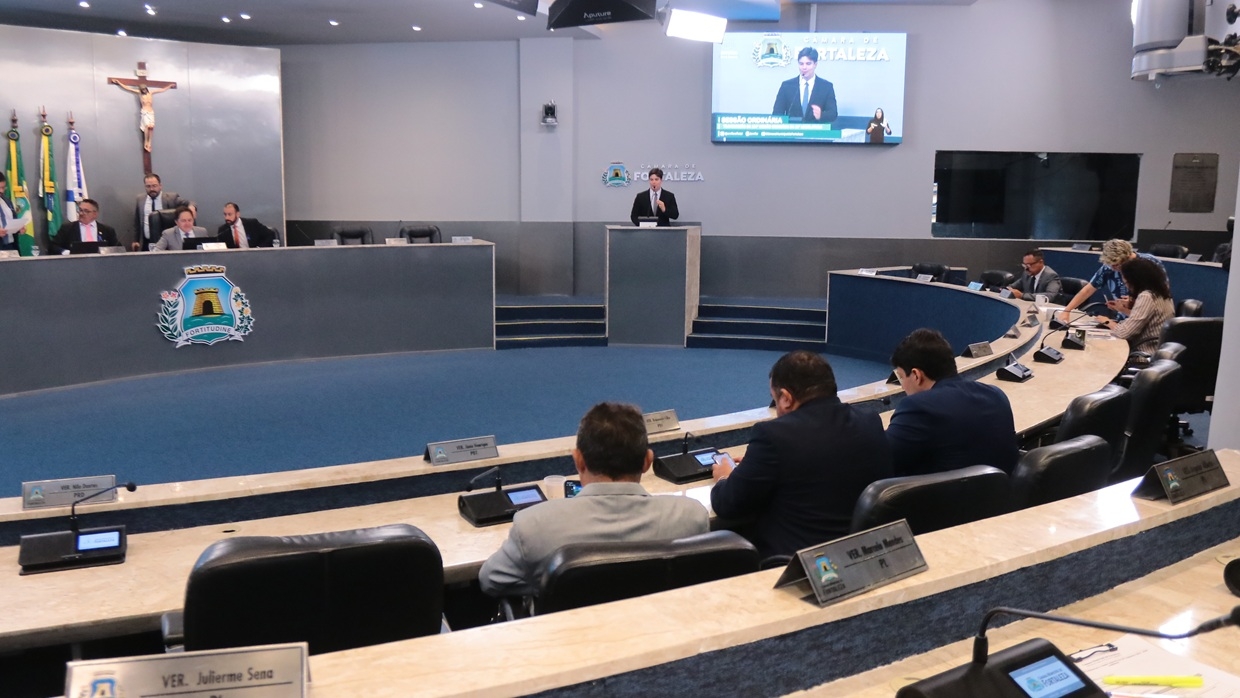
The proposal is a direct response to the significant increase in advertising by betting platforms —especially digital ones— which have occupied high-traffic and high-visibility areas, reaching young people, teenagers, and individuals in vulnerable situations indiscriminately.
According to the bill’s justification, this practice poses substantial risks, being associated with rising cases of indebtedness, financial loss, gambling addiction, and psychological impacts that affect entire families.
The text does not seek to prohibit betting activity itself, which remains regulated at the federal level, but rather to prevent its normalization and encouragement through widespread advertising in public spaces, protecting mental health and social integrity.
If approved, those responsible for the advertising and the advertiser will face a warning, a fine of R$ 10,000 (US$1,855) - doubled in case of repeat offenses -, and the immediate removal of the advertisement at the offender’s expense.
The proposal places Fortaleza at the forefront of cities seeking to balance economic freedom with social responsibility. Amid the boom in sports betting and online casinos, the lack of advertising oversight exposes young people and families to concrete financial, emotional, and social risks. The bill tackles the issue at its roots: reducing the visual and commercial stimuli that fuel the “easy money” culture.
By preventing sports arenas, buses, squares, and building facades from being turned into showcases for betting, the measure moves toward a public policy of prevention rather than mere repression. The focus is on protecting urban space, reducing visual pollution, and safeguarding collective well-being.
Source: Focus Poder