



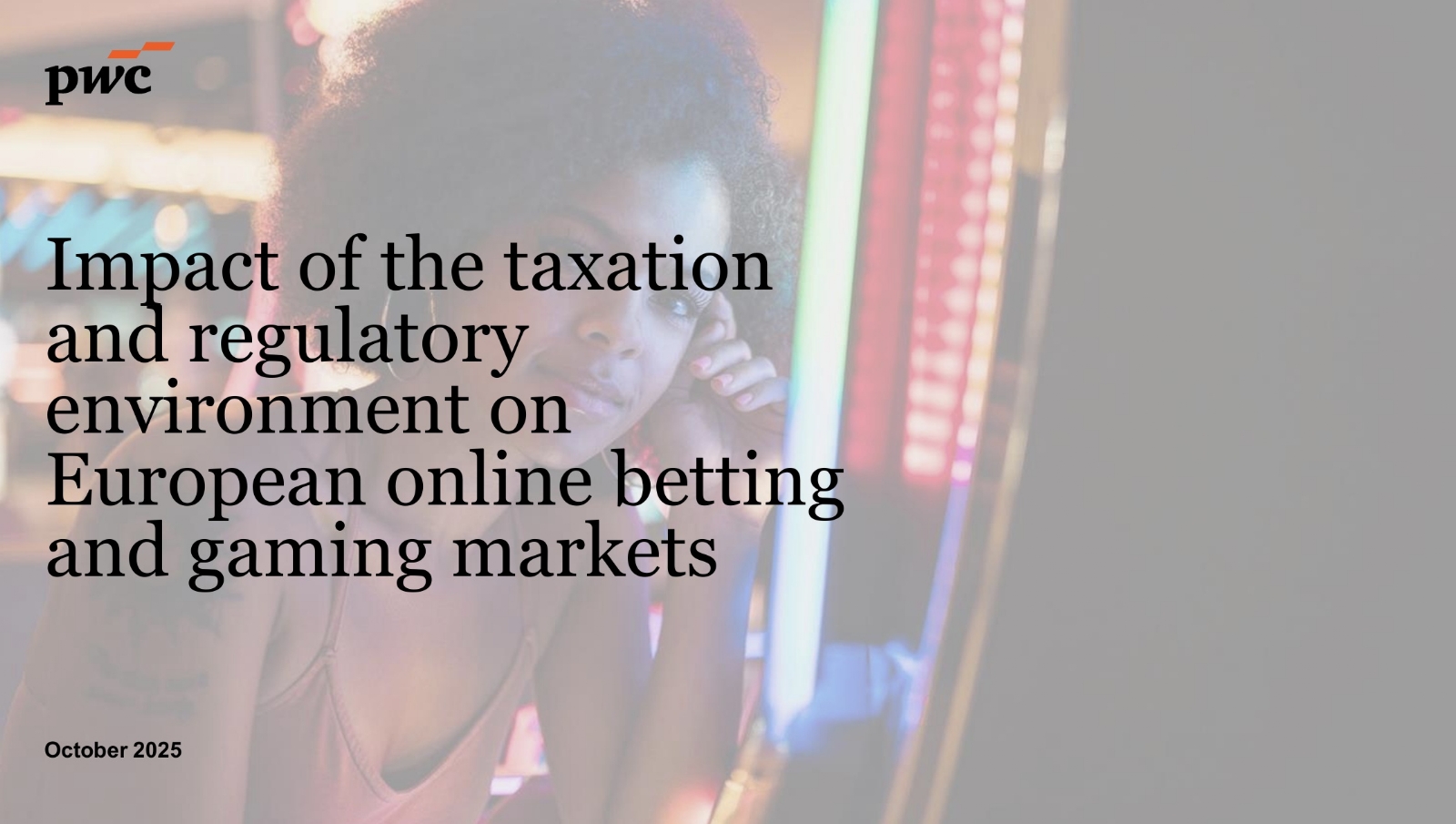
The study, titled “Impact of the Tax and Regulatory Environment on European Online Betting and Gaming Markets,” analyzed different fiscal regimes across Europe and found that taxation directly influences the expansion of the unregulated market.
According to the document, countries with more moderate tax rates show higher levels of channelization into the legal system, while those with heavier taxation see a significant share of bets placed on unlicensed sites.
“The data presented by PwC show that when regulatory and tax conditions become excessively restrictive, illegal operators tend to grow. This is risky because the unlicensed market offers no transparency, transaction security, or player protection policies,” says Fellipe Campos, Managing Partner at Luck.Bets.
“The balance between taxation, efficient regulation, and competitiveness is essential for the sector to remain attractive and capable of offering a safe and responsible experience, benefiting consumers and the broader economic ecosystem,” he adds.
The study also found that, between 2019 and 2024, markets that imposed tax rates below 25% on GGR recorded higher average annual revenue growth than jurisdictions with heavier taxation.
Furthermore, the report indicates that operators subject to higher taxes tend to reduce investments in marketing, innovation, and player-protection measures, weakening their competitiveness against illegal platforms that face no regulatory requirements.
For Alex Rose, CEO of InPlaySoft, unbalanced tax policies may strengthen the illegal market and harm players: “Significant tax increases can negatively affect the entire regulated sector and contribute to the growth of illegal companies. It is crucial that any evaluation be careful so that the sector can generate jobs, invest in sports development, and protect consumers.”
In Brazil, the betting sector pays 12% on GGR, but Senator Renan Calheiros’ proposal would double this amount. The Senate Economic Affairs Committee (CAE) postponed the vote again and rescheduled it for next Tuesday (2). Senator Eduardo Braga’s report proposes raising the tax to 15% in 2026–2027 and to 18% from 2028 onward. Being a terminative decision, the proposal would move directly to the Chamber of Deputies unless eight senators request a Plenary vote.
Bernardo Cavalcanti Freire, partner at Betlaw and legal advisor to ANJL, comments on the possible increase: “Raising taxation would make fixed-odds bets in Brazil unviable. It would send a very serious message of legal uncertainty, scaring foreign investors and strengthening the unlicensed sector.”
He continues: “A discussion about increasing tax revenue can only begin by combating the illegal segment, which evades public funds and exposes bettors to risks, with no data protection or clear rules.”
According to the Brazilian Institute for Responsible Gaming (IBJR), the Netherlands experienced negative effects after raising the kansspelbelasting (gaming tax) from 30.5% to 34.2% in January 2025, with another increase approved for 37.8% in 2026. In the first half of 2025, the GGR of the legal market fell by about 16% compared to the previous semester.
“The regulated sector for online gaming and betting has the potential to generate jobs, stimulate technological innovation, and strengthen entertainment and sports value chains. For this to happen consistently, a predictable regulatory and tax environment is essential, enabling long-term planning and ongoing investments in safety, integrity, and responsible gaming,” says Eduardo Biato, CSO at 1PRA1.
“International experience shows that balanced models—built through dialogue between authorities and licensed operators—tend to increase revenue and ensure players remain within a supervised and protected ecosystem.”
Channelization in the Netherlands dropped below 50%, with spending shifting to the illegal market: an estimated €617 million in the illegal market versus €600 million in the regulated one.
This scenario also generated around €200 million in fiscal shortfall compared to Ministry of Finance expectations, in a regulatory environment already affected by advertising restrictions in 2023 and the ban on sports sponsorships since July 2025.
“Increasing taxes in the regulated environment pushes the bettor directly into the arms of the illegal market, which offers no guarantees and does not purchase a license to operate. Our fight is for a responsible and trustworthy environment,” says Pedro Parigi, Managing Partner at Start.Bets.
“The priority should not be taxing 100% regulated companies, but shutting down those that offer no security to customers—whether by taking their sites down or blocking payments through banking operators,” he concludes.
Source: GMB