




The issue is significant because online betting has grown rapidly in Brazil and has become accessible to millions of people directly through their mobile phones, essentially functioning as a “casino in your pocket.” This has increased household debt, affecting health and social stability, especially among the poorest populations.
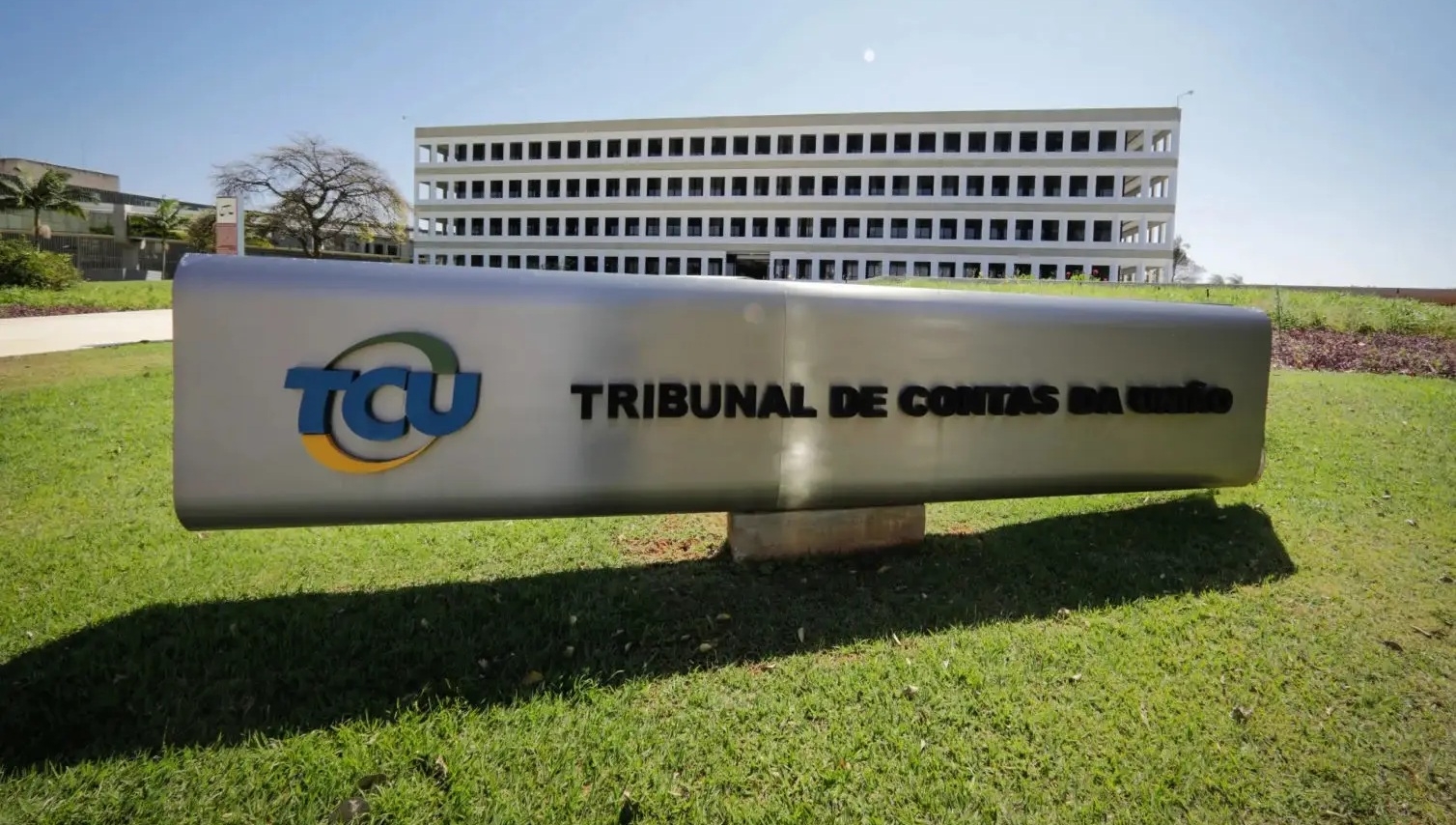
The audit conducted by Brazil’s Federal Court of Accounts (TCU) analyzed data on financial transfers made by beneficiaries of the Bolsa Família program across the country, focusing on how much money was spent and the potential risks to these families’ financial security.
The analysis used data from the Ministries of Social Development and Finance (MF), as well as from the Central Bank of Brazil (Bacen). However, the study was based on data from only one month, meaning it could not reveal trends or long-term patterns.
The results showed that the amount spent on online betting by Bolsa Família beneficiaries was extremely high. In January 2025, these families transferred around R$ 3.7 billion (US$700m) to betting companies, equivalent to 27% of the total amount paid by the program that month.
During the course of the study, the Ministry of Finance issued Normative Instruction SPA/MF 22, in September 2025. This regulation requires betting companies to verify whether users are beneficiaries of the Bolsa Família or the Continuous Cash Benefit (BPC).
If they are, companies must prevent these individuals from registering, close any existing accounts, and return any remaining funds. To ensure compliance, companies must check users’ CPF (individual taxpayer identification number) when creating accounts, at the first login of the day, and every 15 days. The measure aims to protect the most vulnerable families and comply with decisions from both the Federal Supreme Court (STF) and the TCU.
The TCU also analyzed a second proceeding, a representation submitted by the Public Prosecutor’s Office to the court, concerning the use of Bolsa Família funds by beneficiaries to place bets.
As a result of the review, the TCU ordered the Ministry of Social Development and Assistance, Family and Fight Against Hunger, and the Central Bank of Brazil to, within 90 days, prepare and submit an action plan to identify and reduce the causes of improper enrollments in the Bolsa Família program—using as an indicator bank transactions that excessively exceed the declared income levels.
The agencies must also investigate and address cases of fraudulent use of Bolsa Família beneficiaries’ CPFs by third parties for illicit purposes, particularly those linked to betting activities.
Source: GMB