




The text defines an unauthorized operator as any individual or legal entity that conducts gambling or betting activities without an official license. It also creates a series of mechanisms to restrict their operations, particularly within the financial system and the internet.
Stronger financial oversight
The bill requires financial institutions and payment companies to adopt protocols to identify transactions involving irregular operators and to publish monthly reports containing information on transaction volume, blocked operations, and internal controls adopted. Customer identification is not permitted, in compliance with banking secrecy laws and the General Data Protection Law (LGPD).
Institutions will also be required to participate in information-sharing systems on fraud and to consult updated databases of illegal operators, to be maintained by the Ministry of Finance.
Failure to comply may result in fines of up to R$ 20 million (US$3.75m), suspension of services, and even restrictions on the use of Pix and TED transfers in severe or repeated cases.
Pix
The bill instructs the Central Bank to regulate mechanisms to prevent the misuse of Pix by unauthorized betting operators, including:
* creation of an exclusive transaction category for betting;
* automatic CNAE and Pix key filters;
* integration with risk and self-exclusion registries; and
* visual markers on bank statements.
Not limited to Central Bank-authorized institutions
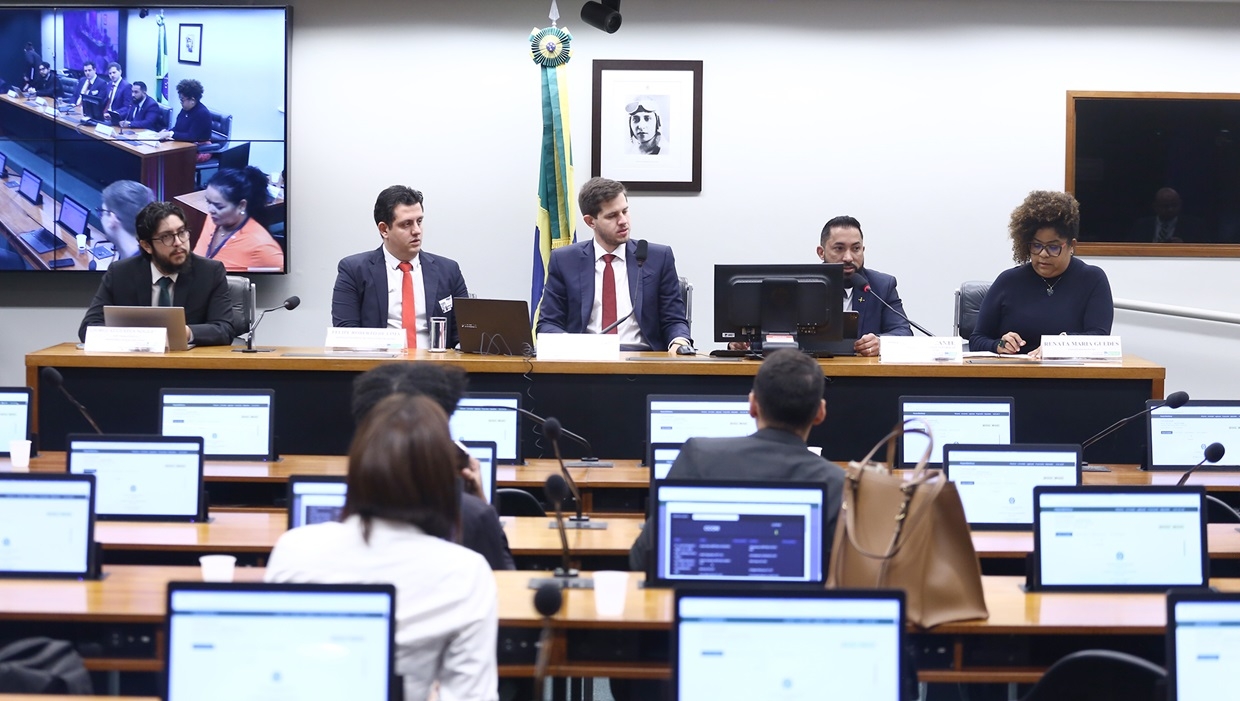
The rapporteur, Deputy Delegado Paulo Bilynskyj (PL-SP), defended approval of Bill 4044/25, introduced by Deputy Paulo Litro (PSD-PR) and others. The committee also approved a change proposed by Bilynskyj removing language that limited the bill’s scope to institutions “authorized to operate by the Central Bank.”
According to the rapporteur, the change is essential to prevent loopholes and ensure illegal operators cannot migrate to institutions outside the regulatory perimeter. “Otherwise, unauthorized operators could move to institutions that are not under Central Bank oversight and therefore not bound by the same responsibilities,” he argued.
With the change, all financial and payment institutions become subject to the obligations set forth in the bill, including fintechs under special regimes, gateways, and indirect participants in payment arrangements.
Betting Law
The bill amends the Betting Law to require licensed operators to implement geolocation systems capable of blocking access from abroad or via VPN. It also requires internet service providers to maintain a permanent channel with the regulator for executing blocking orders.
The proposal expands prohibited conduct, banning, for example, any form of advertising or technological infrastructure that facilitates the operation of unlicensed operators. Technical and legal services aimed exclusively at obtaining an official license remain permitted.
Crimes and penalties
The bill creates a specific criminal chapter for the sector, establishing four new offenses:
* operating or facilitating unauthorized betting: 2 to 6 years in prison;
* intermediating payments for illegal operators: 2 to 6 years, with increased penalties for the use of anonymity-enhancing technologies or sending funds abroad;
* disseminating illegal betting advertising: 1 to 4 years, with aggravated penalties for content targeting children or promoted by digital influencers;
* obstructing actions to block websites or resources: 2 to 5 years in prison.
Penalties may be increased when crimes involve corporate structures, repeat offenses, or identity-concealment mechanisms.
Anatel
The bill strengthens the role of the National Telecommunications Agency (Anatel) in combating illegal betting websites, requiring the agency to maintain a channel for blocking orders and to coordinate technical measures such as DNS, IP, and SNI blocking, as well as detection of mirror sites. Sanctions may be applied to providers that fail to comply.
Cooperation and transparency
The text also establishes cooperation among the Ministry of Finance, Central Bank, Anatel, and the Financial Intelligence Unit (Coaf), including the creation of a unified database of irregular operators, quarterly reports, and an official reporting channel with the option of anonymous submissions.
Next steps
The proposal will now be analyzed by the Finance and Taxation Committee, and the Constitution and Justice Committee. The bill is also subject to review by the full Chamber.
Source: Agência Câmara de Notícias