



For the first time, operators are working under rules that raise governance standards and require robust compliance frameworks, creating a clear dividing line between licensed operators and those that continue to operate informally.
This new landscape brings tangible benefits to the country — from increased tax revenue and consumer protection to reinforcing sports integrity. However, this initial cycle has also exposed the natural frictions of a process of this scale, intensified by long-standing social stigmas stemming from years without regulation.
We have learned that the regulatory framework, although a decisive step forward, behaves as a living organism. The frequent issuance of new ordinances, debates, and interpretations generates volatility that affects strategic planning and investment predictability for companies that, like BetMGM, prioritize full compliance.
Operating legally in Brazil today requires strict alignment with the guidelines of the Prizes and Betting Secretariat, involving independent audits and massive investments in technology for identity verification, anti–money laundering protocols, and responsible gaming tools.
All this corporate effort coexists with the persistent challenge of unfair competition. While regulated operators comply with heavy tax and administrative burdens, the illegal market still moves around R$ 38 billion (US$7bn) per year, according to estimates by the Brazilian Institute for Responsible Gaming (IBJR) and LCA, without offering any legal certainty or user protection.
This imbalance drains the competitiveness and innovation capacity of companies that operate within the law. In contrast, the potential of the regulated market is vast: projections point to an injection of R$ 28 billion (US$5.15bn) into the economy, funding vital areas such as sports, public safety, health, and education, in addition to supporting a qualified workforce in which more than 60% of professionals earn above four minimum wages.
In fact, the annual wage bill for direct jobs reaches R$ 460 million (US$84.6m), plus R$ 87 million (US$16m) in social charges. It is estimated that every R$ 1 (US$0.18) in income generated directly results in R$ 2.21 (US$0.40) in overall economic impact, considering indirect and induced effects—potentially transforming the sector’s total income into up to R$ 1 billion (US$184m).
Despite these advantages, attracting talent remains a significant challenge. The industry is technical, global, and innovative, but still needs to overcome cultural resistance in order to build strong teams. At the same time, the first year of regulation established the understanding that responsible entertainment is not just a legal obligation, but a strategic compass essential to the long-term sustainability of the business.
Looking ahead to the second year of regulation, Brazil must move toward greater stability and predictability. The goal is not to loosen requirements, but to ensure clarity and consistency through continuous dialogue between the government, the regulator, and companies.
The future of the iGaming market in Brazil depends on a healthy competitive environment that protects consumers and permanently combats illegal operations. Legal certainty and social responsibility are not goals to be reached, but daily commitments that allow the sector to deliver long-lasting economic and institutional value.
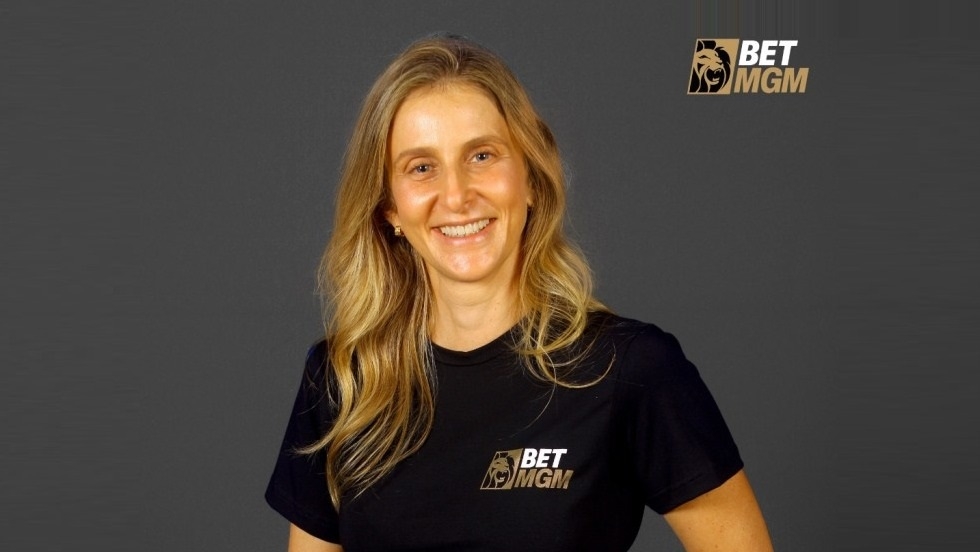
Alessandra Lewit
Alessandra Lewit, 48, is Chief of Staff at BetMGM. A results-driven executive with extensive experience in business development, digital transformation, agile methodologies, and innovation, she previously served as business owner of Cartola Express. At Globo, she led the transformation office of the “UmaSóGlobo” program, promoting revenue-generating initiatives and implementing the ecosystems & partnerships division.