




The law sanctioned by Mayor Eugenio Zuliani (União) was published this Wednesday (14) in the city's Official Gazette.
The city government took a proactive step in regulating games of chance, conditioning its effectiveness on Bill 2,234/2022, which authorizes the operation of casinos and bingo halls in Brazil, legalizes the jogo do bicho (an illegal lottery-like game), and allows betting on horse races, among other forms of gambling.
The bill was approved by the Federal Senate's Constitution and Justice Committee (CCJ) in June of last year, but the plenary vote was postponed to this year.
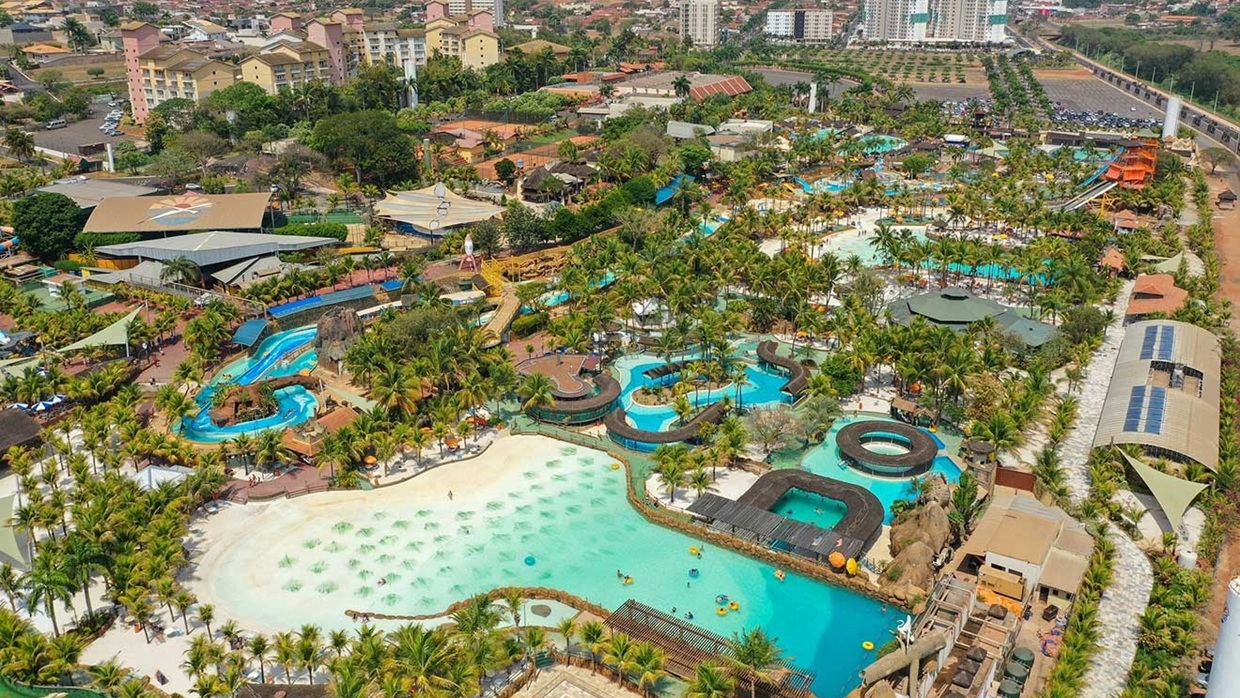
In Olímpia's law, gambling operations are tied to the city's tourism sector, which receives around 5 million visitors per year and has the second-largest hotel network in the state of São Paulo. According to the municipal administration, there are 35,000 lodging units in the city, along with two water parks.
Services related to gambling operations are defined as:
* The installation and operation of casinos integrated into tourist complexes.
* The operation of regulated games such as roulette, card games, electronic games, and similar.
* Ancillary and complementary services related to recreation, gastronomy, lodging, culture, and entertainment, integrated with the tourist complex.
The law also authorizes the concession of gambling service operations to private companies, “through a prior competitive dialogue bidding process.”
According to Mayor Geninho Zuliani, this is a strategic and proactive measure. “We are preparing for a new cycle of development. We want to attract high-standard ventures, create jobs, stimulate the economy, and consolidate Olímpia as the most comprehensive tourist destination in the country,” he stated.
Bill in the Senate
The proposal under review in the Senate allows for the establishment of casinos in tourist hubs or leisure complexes, such as luxury hotels with at least 100 rooms, resorts, restaurants, and bars.
According to the bill, each state and the Federal District may have one casino, except for São Paulo, which may have up to three. Minas Gerais, Rio de Janeiro, Amazonas, and Pará may each have up to two, depending on population size or territorial area.
It also authorizes the installation of up to ten casinos on maritime vessels with at least 50 rooms. Criteria include:
* One casino per river stretching between 1,500 and 2,500 kilometers;
* Two per river between 2,500 and 3,500 kilometers;
* Three per river exceeding 3,500 kilometers.
The proposal states that vessels with casinos may remain anchored in the same location for up to 30 days.
Regarding bingo halls, the rule permits one for every 150,000 inhabitants. For the jogo do bicho, the limit is one for every 700,000 inhabitants.
The text also highlights that only customers who pay via Pix or debit card will be allowed to gamble. Credit card use is prohibited, and institutions that violate this may face criminal penalties.
Source: Metrópoles