




So why do we need blinds? What purpose do they serve? And how should you approach them if you’re trying to improve your game? Let’s dig into that.
Some of the most successful names in poker have used sharp blind play to build serious wealth. If you’re curious about how they did it, check out this breakdown of poker pros who turned their skills into a fortune.
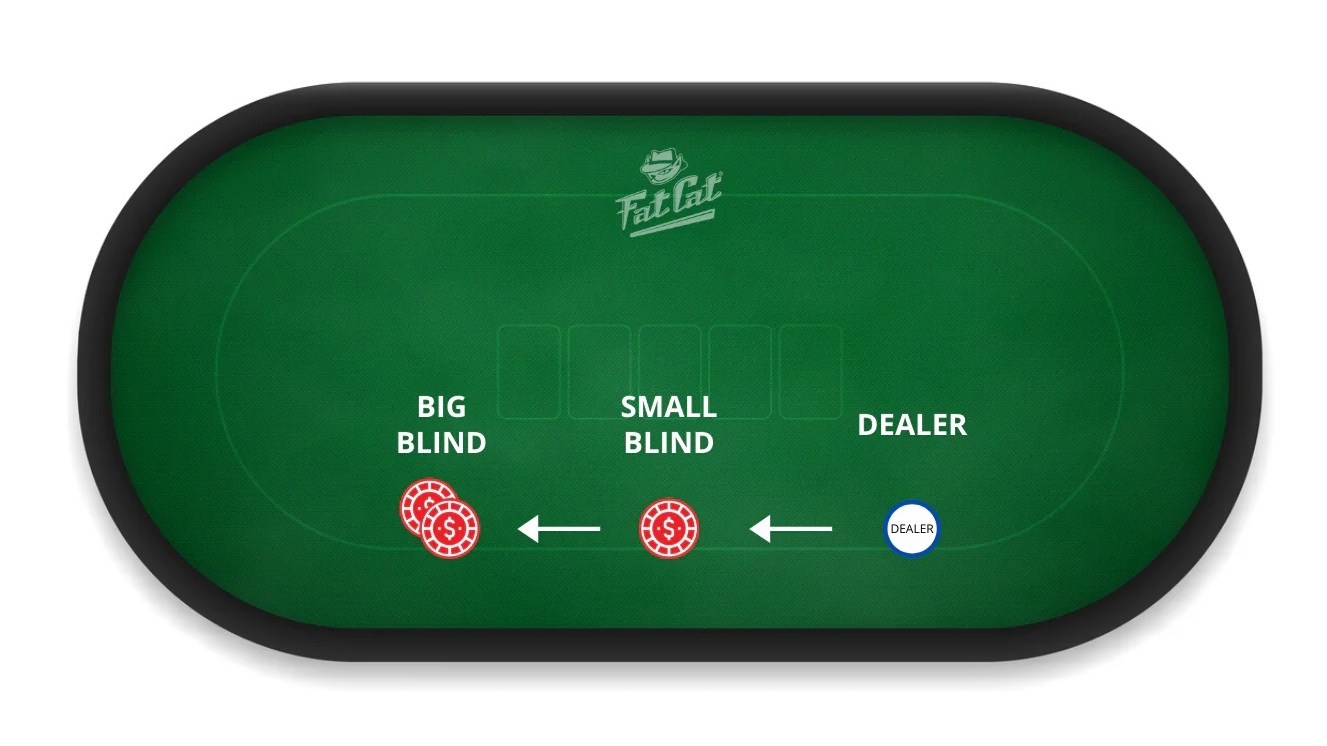
In a game like Texas Hold’em, before any cards are dealt, two players at the table are required to post forced bets — known as the small blind and the big blind. The player immediately to the dealer's left posts the small blind, and the one next to them posts the big blind.
These blinds ensure that there’s always something to play for on every hand. Without them, players could fold endlessly until they’re dealt pocket aces, and nobody wants to sit through that.
That’s why the big blind and small blind in poker are essential. They kick off the action, build the pot, and keep players engaged.
Blinds don’t stay with the same players every hand. They rotate around the table along with the dealer button, shifting one seat to the left after each hand. This way, everyone takes turns paying the blinds, and the game stays fair.
In live poker, the dealer button is usually a round disc passed clockwise. Online, the software handles it for you.
Here’s a question that comes up a lot: Is big blind a good position in poker?
It depends on your cards and how you play them. Being in the big blind position means you must post a bet before seeing your cards, and you’re usually out of position for the rest of the hand. That can make things tricky.
But here’s the flip side: since you’ve already got chips in the pot, you might see a cheap flop. And if other players are just limping in (i.e., calling instead of raising), defending your big blind can be a clever play, especially with hands with potential post-flop.
The small blind is even more awkward. Not only do you post a bet without seeing your cards, but you also act first on every street after the flop. That’s why many experienced players tend to play tight from the small blind and avoid marginal hands in that spot.
In cash games, the big blind and small blind stay consistent throughout the session unless the players decide to raise the stakes.
Tournaments, however, are a different story.
In tourneys, poker blind levels increase over time. For example, blinds might increase every 15 minutes, forcing players to keep making bigger bets as the game progresses. This creates pressure, speeds up the pace, and prevents people from sitting back and waiting forever.
That’s also why you’ll hear terms like “level one” or “level six” during a tournament. The level refers to how high the blinds have climbed. As the levels increase, short stacks feel the heat and have to make moves or risk being blinded out.
Sometimes, especially in later stages of a tournament, players post antes instead of or in addition to blinds. Antes are smaller, forced bets that everyone at the table has to post.
So why do most poker games rely on the big blind and small blind instead of using antes?
It comes down to pace and structure. With blinds, only two players post each hand, so things move quickly. Plus, blinds help create clear opportunities for other players to raise and “steal” that dead money, which makes the game more dynamic and strategic.
In short, blinds keep the game moving and reward aggressive, thoughtful play.
Want to get better at playing from the blinds? It’s worth seeing how experienced players handle those spots. The best poker pros don’t treat the big blind like a trap. They use it as a launchpad. They can turn a challenging position into an advantage with good timing, strong reads, and wise decision-making.
The big blind and small blind in poker aren’t just game mechanics — they’re the fuel that keeps every hand moving. Understanding how blinds work, how they rotate, and how to play them smartly can give you a significant edge at the table.
Whether you're playing a weekly home game or considering entering your first tournament. Getting a grip on big blind and small blind strategy is key. Add in some knowledge of Texas Holdem rules, and you’re already ahead of many casual players.
So next time you’re in the blinds, don’t see it as a burden. See it as an opportunity, one more piece of the puzzle to master on your way to becoming a better player.