



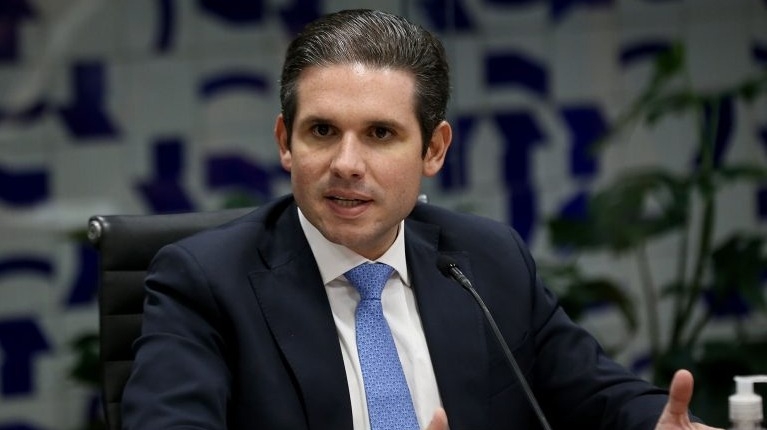
A lobbying campaign by betting companies is threatening to derail part of the government’s plan to boost tax revenues and meet fiscal targets, after Speaker Motta withdrew his support for the deal he helped broker.
Last Thursday (June 12), Motta warned President Luiz Inácio Lula da Silva’s administration that he and congressional leaders had discussed ways to prevent the decree and provisional measure on the IOF (financial transactions tax), 'Bets' taxation, and certain financial investments from taking effect.
According to three government officials familiar with the matter who spoke to Bloomberg News anonymously due to the sensitive nature of the discussions, Motta’s reversal was largely driven by opposition from 'Bets' and lawmakers to the proposed tax hike from 12% to 18% on online gaming revenues.
While the betting tax increase is a relatively small part of the overall tax package — which also includes higher taxes on financial investments and fewer tax exemptions — it has triggered concern among investors. The government aims to raise around R$10 billion (US$1.8bn) this year, with the 6-percentage-point betting tax increase expected to contribute R$300 million (US$55m), according to Finance Minister Fernando Haddad.
Opposition emerged almost immediately after Haddad presented the plan, especially regarding the betting sector, following a Sunday (June 8) meeting with Motta and Senate President Davi Alcolumbre, one source said.
The backlash intensified in the following days, with veteran senator Ciro Nogueira — former Chief of Staff under President Jair Bolsonaro — taking a leading role in rallying against the tax hike, according to two sources.
Motta, a 35-year-old first-time Speaker elected earlier this year, reportedly underestimated the backlash and could not withstand the mounting pressure, the sources said.
Brazil legalized online betting in 2018, but only approved a regulatory and tax framework in 2023 as part of Haddad’s broader plan to increase government revenues and stabilize public finances. The government initially proposed an 18% tax rate on online betting in 2024, but Congress lowered it to 12%.
The betting sector is now lobbying lawmakers, arguing that increasing the rate would reduce already slim profit margins and make it harder to compete with illegal operators and organized crime groups.
“Increasing the gaming tax from 12% to 18% would push the overall tax burden on the sector above 50%, making it unviable for any legal economic activity,” the Association of Betting and Fantasy Sports said in a statement this week.
“Although legalized, the industry is now being threatened by excessive taxation. This only serves to benefit illegality and organized crime,” the association added.
Agribusiness and real estate sectors have also opposed the proposals, which would eliminate tax exemptions for certain credit instruments (LCIs and LCAs) used to fund those sectors. These instruments would now be subject to a 5% tax.
The latest proposals are adjustments to a prior plan to increase taxes on certain financial operations through the IOF, which has also drawn criticism from business leaders and lawmakers.
If the new plan fails, it would increase pressure on Finance Minister Haddad, who is facing growing skepticism from investors regarding his ability to eliminate the primary fiscal deficit this year.
Source: Bloomberg News