




"Nothing is certain in life except death and taxes." The phrase, immortalized by Benjamin Franklin, remains relevant—especially in Brazil, where the quickest and surest response to structural problems tends to be... raising taxes.
When a football team underperforms in Brazil, the easiest solution is often to fire the coach and pay huge termination fees. It's a quick fix that temporarily satisfies fans, but it rarely solves the real sporting problems. The roster remains weak, the structure poor, and planning nonexistent. In the public sector, raising taxes has become the symbolic equivalent of this firing: an immediate gesture that pretends to be action while ignoring the root of inefficiency.
That is exactly what we're seeing with the possible increase in the betting GGR tax rate in Brazil from 12% to 18%. The measure has sparked immediate reactions from across the industry—and rightly so. Brazil's tax burden is already high, and this sudden increase undermines predictability, investment, and innovation in a growing market still in the process of consolidation.
Moreover, abrupt increases like this can have a dangerous side effect: pushing part of the market into informality or toward unlicensed international operators, making control, revenue collection, and player protection more difficult.
But the problem goes beyond the tax rate. Little has been said about how this revenue will be allocated. And this is where Law No. 14.790/2023, which regulates fixed-odds betting in Brazil, presents a point that deserves serious discussion: only 1% of the revenue goes to the Ministry of Health.
Health left on the sidelines
That 1% is alarming. The area most directly related to the main criticism of the betting sector—gambling addiction and its impact on mental health—receives the smallest share of the revenue. If the narrative around regulation is to protect the population from addiction risks, why is health so underfunded?
The math doesn’t add up. It’s like recognizing there is a fire, but allocating only a bucket of water while the rest of the resources go toward painting the house’s facade.
Of course, allocating funds to education and sports has merit. If applied purposefully—as a form of prevention, critical education, talent development, and combating match-fixing—they can be powerful allies in a balanced public policy for the sector. Public basic and technical education does need more investment. Sports, when conducted ethically and with integrity, drive economies, inspire people, and help keep youth away from crime and addiction.
But we must avoid the trap of romanticizing: these resources require transparency, oversight, and strategy, or they will become yet another missed opportunity.
Tourism and advertising: reversed priorities?
The tourism sector receives much more than health. Even though some betting activity might boost tourism (especially with physical betting shops and sports events in the future), this disproportion raises concerns.
And the proposal to ban betting ads? This calls for a mature debate: I’m against a total ban. I support specific restrictions, especially for vulnerable audiences such as children and adolescents.
I envision a more responsible and modern path: requiring betting ads to include responsible gambling messages, risk alerts, access to support channels, psychological help, and reporting lines.
Communication must be clear, ethical, and informative, using accessible and visible language. More than rushed disclaimers, barely audible, or tiny-font warnings at the bottom of the screen, responsible gambling must be the focus—not just a bureaucratic requirement.
Campaigns should allocate a significant share of their media investment specifically to educational and preventive content. It's not just about "informing about the risk," but about making that message an active and central part of communication.
Ad slots, sports broadcasts, social media, digital platforms—all of these must include regular awareness segments, with appropriate, accessible, and inclusive language. These could take the form of real testimonies, explanations about addiction signs, financial simulations, or guidance on where and how to seek help.
This is where institutions like CONAR play a vital role. CONAR already has a track record of setting clear advertising guidelines for alcohol, medication, and other sensitive sectors—and should also play an active role in betting, ensuring that ads follow ethical principles, avoid targeting vulnerable audiences, and truly promote responsibility.
On the other hand, it’s essential to recognize that no industry can survive without being able to present its brand, services, and value proposition. A total advertising ban may have the dangerous side effect of pushing the market underground, withdrawing sponsorships from clubs and events, or hindering the entry of operators committed to good practices. The challenge lies in balance. Regulating with clear criteria is far more effective than silencing the sector or pretending it doesn't exist.
So, what should be on the agenda?
- Urgently revise the health allocation, increasing the Ministry of Health's share, especially for addiction prevention and treatment via the public healthcare system (SUS).
- Ensure that the sports and education allocations are used with a focus on integrity, development, and inclusion.
- Transparency in the use of tourism and public safety funds, with measurable goals and social impact.
- Reject simplistic solutions such as a total ad ban: instead, regulate with clear standards, accountability, and a focus on consumer protection, especially the most vulnerable.
I am completely against tax hikes as the first response to any fiscal challenge. Whether in betting, fuel, or services, increasing the tax burden should be the last resort, never the first. Worse still is charging more and continuing to allocate it inconsistently, disproportionately, and without listening to stakeholders.
In the case of betting, the greatest cited risk is addiction. The public response should reflect that, allocating more resources to health and strengthening public policies with budget, infrastructure, and coordinated action.
It is also time to listen more to those within the sector—serious, independent professionals committed to integrity, not just individual or commercial interests. Initiatives such as ABC-Bet (Brazilian Association for Compliance, Good Practices, Ethics, and Transparency in Betting), for example, bring together experts in regulation, anti-money laundering, governance, sports integrity, and social responsibility. Hearing these voices is essential to balance economic progress with consumer protection and sector sustainability.
Well-constructed regulation can bring countless benefits: job creation, consistent revenue, tourism incentives, sponsorship of sports, and reinforcement of integrity in sports and entertainment. But that will only be possible if active listening is part of the regulatory process, with transparent dialogue, technical foundation, and a commitment to the public interest.
Because, as things stand, the coach keeps getting blamed—but the team keeps losing.
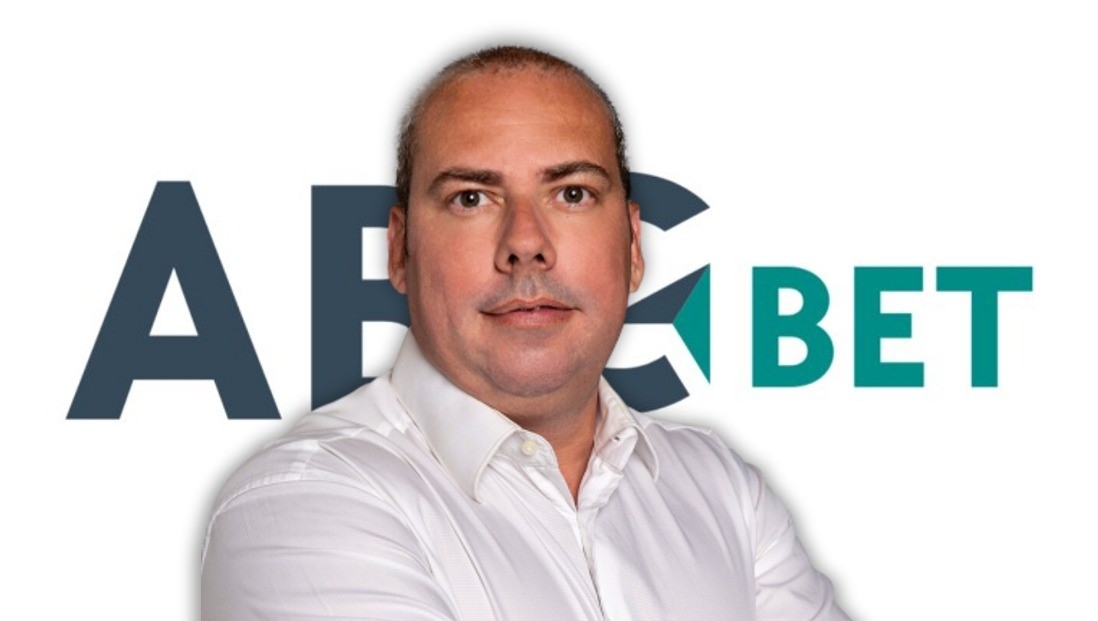
Vinicius Pinho
Founder and vice president of the Brazilian Association for Compliance, Good Practices, Ethics, and Transparency in Sports Betting (ABC-Bet). Expert in compliance, integrity, risk management, anti-illicit strategies, and strategic training, with a focus on corporate ethics and best practices in the financial, payment systems, and gaming and betting sectors.