




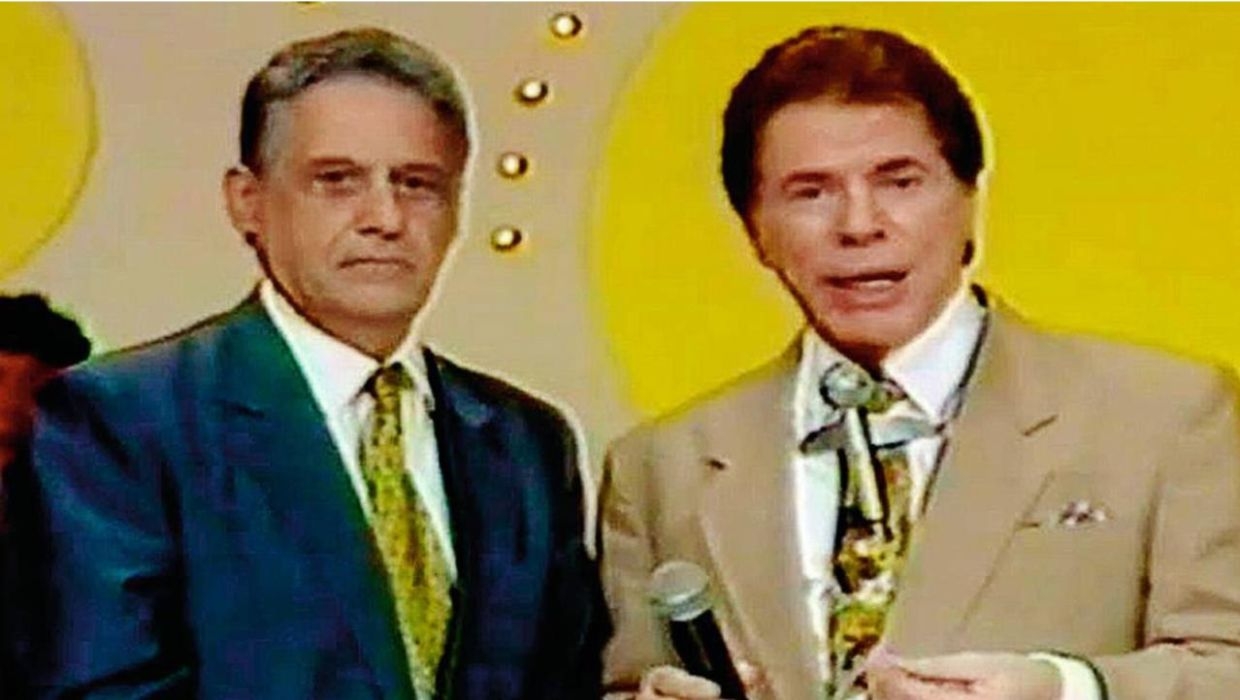
In 1994, the Brazilian economy was being crushed by hyperinflation, which had been eroding the population’s purchasing power for decades. Then-Finance Minister Fernando Henrique Cardoso introduced the Real Plan, a strategy to stabilize the country’s currency and regain economic control. The transition to the new currency, the real, involved three main steps: fiscal adjustment, the creation of a transitional unit of account (URV), and the official launch of the new currency.
The Real Plan team knew that for the initiative to succeed, it wasn’t enough to convince economists and financial markets. They needed to gain the trust of the public, a public that had already been burned by several failed economic plans in the past.
That’s when a bold idea came up: bring Fernando Henrique Cardoso onto the Programa Silvio Santos, Brazil’s most popular Sunday TV show. Silvio Santos was the country’s greatest popular communicator. He knew how to speak the language of everyday people and how to turn complex economic jargon into simple kitchen-table talk. On the show, he asked seemingly naïve questions, carefully designed to help FHC explain inflation, the purpose of the URV, and what would change with the new currency. It wasn’t just an interview. It was a televised public lesson, broadcast to millions of Brazilians in prime time.
The Brazilian betting industry needs exactly that right now.
The legal framework is already in place. The market is regulated. Licensed operators have paid significant fees to operate within the law and have started to build a more transparent, safer, and more ethical ecosystem. The government has already raised around R$2.2 billion in license fees alone. Major global brands have entered the market, bringing investment, driving innovation, and generating thousands of direct and indirect jobs. The legal market has begun contributing real tax revenue, supporting public policy and strengthening the broader economy.
But outside that ecosystem, among the public that doesn’t read regulatory memos, doesn’t know what GGR means, and can’t tell the legal from the illegal, the noise is deafening. Worse, those who don’t understand the industry don’t just fail to defend it. They attack it.
A regulated market is only as strong as its three pillars: clear rules, institutional respect, and accessible communication. The first two are under pressure. The third is still fragile. The betting industry needs to stop talking only to itself. It must open up, explain itself, simplify. It needs to show society that it's not just about odds and bonuses, but about building a responsible, transparent, and sustainable market. Because if even parts of the government seem confused about how this industry actually works, just look at the messy, misinformed debates in the congressional “CPI of the Bets,” how can we expect the general public to understand? How can we expect society to legitimize an industry it doesn’t understand?
This is where licensed operators can play a key role. The industry urgently needs a clearer and more collective narrative, and action that communicates responsibility in simple terms. Educational campaigns on responsible gambling, proactive transparency, support for research on player behavior, and open dialogue with regulators are real ways to build trust and legitimacy.
A strong and sustainable industry requires exactly that: shared vision, collective commitment, and constant innovation. At a time when public debate around advertising is intensifying and tax measures are threatening the viability of licensed operators, responsible gambling has emerged as the industry’s most strategic answer to protect players and to secure the legitimacy of the market in Brazil.
Because, as Silvio Santos showed us back then, great communication isn’t about sounding smart. It’s about making sure everyone understands what’s at stake. And the betting industry can’t afford to wait to do that.
The interview can be seen here.
Thiago Iusim
Founder | CEO @Betshield Responsible Gaming
www.thebetshield.com