



With the approval of the bill addressing restrictions on fixed-odds betting advertising in the Federal Senate this week, the debate has brought to light concerns about the social impacts of betting on more vulnerable audiences, especially those suffering from problem or pathological gambling.
On the other hand, regulatory experts argue that while the concern with issues such as combating gambling addiction is legitimate, restricting betting advertisements could further fuel the illegal market — which, unlike licensed operators who have paid the required fee to the Ministry of Finance, do not follow the rules set by legislation, particularly with regard to responsible gambling.
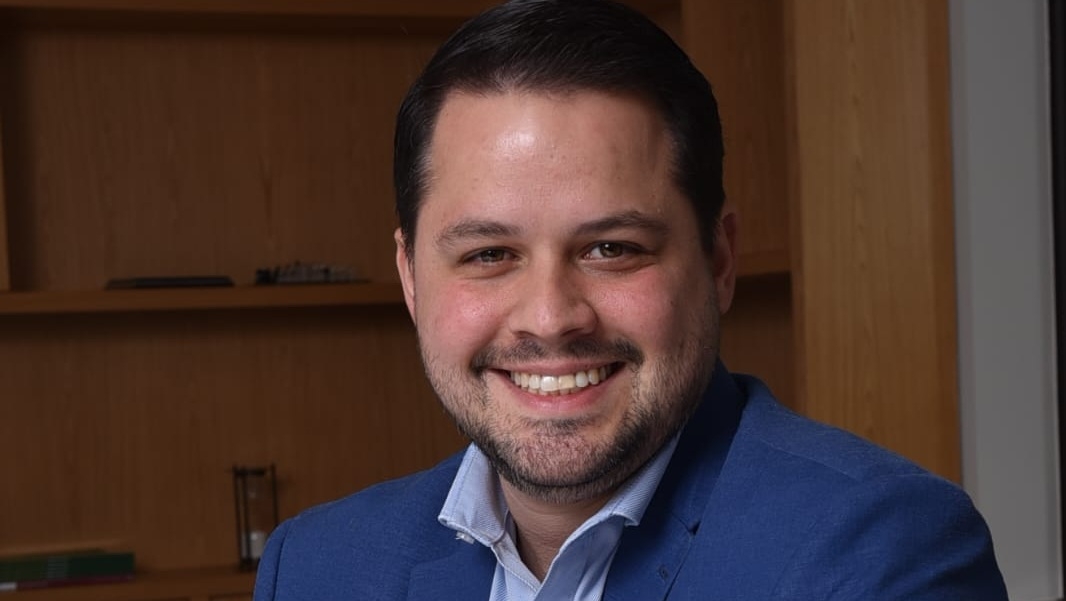
“Today, we have companies that have already paid the required R$ 30 million (US$5.25m) and are operating in accordance with the law, while many others haven’t paid a single real, don’t pay any kind of tax, advertise in a completely arbitrary, illegal, immoral way — and yet, this illegal market continues to grow,” says Gustavo Biglia, partner at Ambiel Advogados and expert in fixed-odds betting regulation.
He questions what kind of return the government could offer to operators who have paid the licensing fee but are now being prevented from advertising.
“It’s essential to understand what measures will be adopted to offer legal certainty and reassurance to betting houses so that these changes don’t compromise revenue collection or jeopardize the economic viability of the business. This is, in my view, one of the key issues that must be widely debated,” Biglia argues.
Betting companies that submitted their license applications for operation did so based on the rules in force at the time, through the Secretariat for Prizes and Betting of the Ministry of Finance.
“In other words, what was at stake was what had been regulated up to that point. At the time, the rules allowed for unrestricted advertising — there was no specific regulation on the subject,” explains the lawyer.
Therefore, creating a rule to limit the operations of these companies by altering how they acquire customers directly impacts their business model, affecting both their revenue and the volume of income.
“This could even be seen as a legally risky move, since operators could easily demonstrate how such rules would impact their revenue, changing the economic feasibility logic of the business as established when the legislation was created,” he concludes.
Understand what is allowed and prohibited in betting advertising
Prohibitions:
- Broadcasting betting ads during live sports events;
- Displaying dynamic odds or real-time probabilities during live broadcasts, except when shown exclusively on the licensed operator’s own website, pages, or apps;
- Advertising in print media;
- Boosting content outside permitted hours, even if coming from the official channels of betting operators;
- Using the image or participation of athletes, former athletes, artists, media figures, influencers, public officials, coaching staff, or any individual (even as extras) in ads. Exception: former athletes may appear in betting ads only five years after retirement;
- Direct or indirect sponsorship of referees or other officiating members of sports competitions;
- Presenting betting as socially attractive, a path to personal success, a job alternative, a solution for financial problems, a source of extra income, an investment, or as a guaranteed/promise of financial return;
- Using animations, mascots, characters, or any audiovisual elements (including AI-generated) aimed directly or subliminally at children or teens;
- Promoting programs or communication that teach or encourage gambling directly or subliminally;
- Sending unsolicited messages, calls, letters, app notifications, or any communications without the recipient’s prior, informed, and express consent;
- Sexist, misogynistic, or discriminatory advertising — including objectification of the human body or linking betting to gender stereotypes;
- Static or electronic fixed-odds betting advertising in stadiums and sports venues (exceptions apply for event sponsors, stadium rights holders, or when betting sponsors are displayed on team uniforms).
What is permitted:
- Advertising on open and subscription TV, streaming platforms, social media, and the internet between 7:30 p.m. and midnight;
- Radio advertising in two time slots: 9 a.m. to 11 a.m. and 5 p.m. to 7:30 p.m.;
- Advertising during live sports broadcasts is allowed in the 15 minutes before the event starts and 15 minutes after it ends;
- Advertising at any time on websites, pages, or apps owned by fixed-odds betting sponsors, where access requires a voluntary action by the user;
- Displaying the sponsor's or operator’s brand in announcements about sports event broadcasts aired between 9 p.m. and 6 a.m., provided there is no call to action, no mention of odds or bonuses, and content complies with age restrictions;
- Advertising on social media platforms or other internet apps for authenticated users proven to be over 18 years old.
“In this last case, the rapporteur's proposal ensures that users of digital platforms or services can easily opt out of receiving betting-related marketing content through settings,” Biglia adds.
Source: GMB