




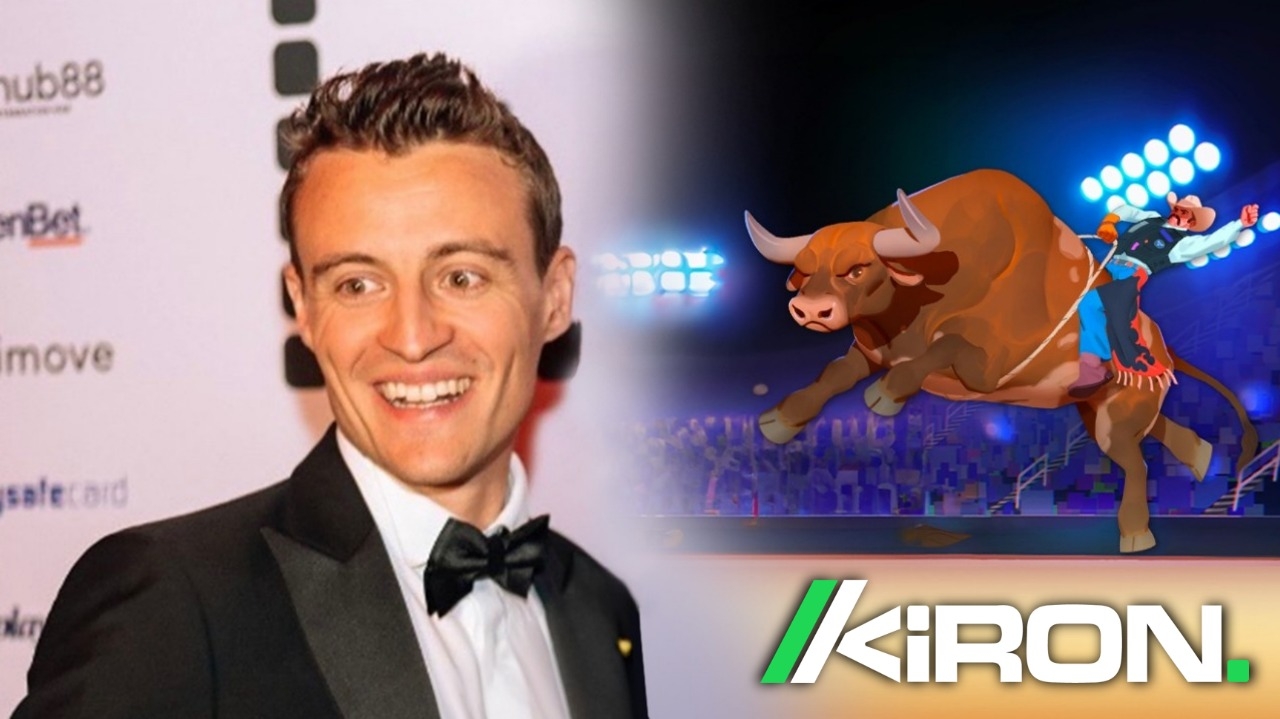
With a solid track record in the virtual gaming sector, Kiron Interactive stands out for its commitment to innovation, agility and adaptation to the new demands of the global iGaming market. In an increasingly competitive and regulated scenario, the company has positioned itself as a strategic partner for operators that seek more than just content: they want practical and sustainable solutions to grow safely.
GMB - Kiron has been a major name in virtuals for years. In today's iGaming landscape, with so much changing so quickly, what is the single biggest challenge you're focused on solving for operators right now?
Xavier Besseau - That's the key question, isn't it? For us, it all comes down to cutting through the complexity. Operators today are dealing with so much. New markets, new regulations, new player demands.
Our goal is to be the partner that makes their life simpler. We want to give them reliable, engaging content that's easy to launch and, crucially, easy to manage and adapt long after launch day.
Let's talk about one of those complex new markets: Brazil. It's being called a 'gold rush,' but history shows more people go bust than strike it rich. What's the biggest hidden trap you see waiting for operators there?
You know, it's interesting. The biggest trap isn't really about the games. It's about the technology, the 'boring' stuff that's working behind the scenes.
Everyone is focused on having a flashy shop window, but they forget that the foundations have to be solid. Because when the rules inevitably change, and they will, you're in trouble if your tech is too rigid. You end up spending all your time and money just trying to keep up.
So if the core challenge is that technical rigidity, what's the solution? How can an operator be sure their platform is agile enough to handle that kind of uncertainty?
Well, it comes down to a pretty simple idea. Operators should be asking providers if their system is built like one solid block of concrete, or if it's built more like Lego. You need that ability to pull one piece out and swap in another without having to break the whole structure.
A regulatory update should be a simple change in the settings. not a massive, expensive coding project. That's the fundamental difference between a minor afternoon task and a full-blown crisis.
Moving from the operator to the player, 'speed and agility' seem to be the theme. Are you seeing a similar trend in the types of games players are looking for, especially in mobile-first markets like Brazil?
Absolutely. The two are completely linked. Player attention spans are shorter than ever. The long, multi-minute virtual events are still popular, but there's a huge and growing demand for instant gratification. Games that resolve in seconds, not minutes. It’s a move from 'I'll wait for the result' to 'I want the result right now.' This demand for quick-hit, high-excitement content is a major trend we're focused on.
That's a perfect lead-in. We know the crash game vertical is hot right now. How is Kiron approaching that space to offer something new?
We knew we couldn't just launch another generic crash game into what's becoming a very crowded market.
For us, the differentiator had to be about more than just the mechanics. With our new game, Rodeo, the key was thematic localization. We've built a crash experience that feels culturally resonant for Brazil and Latin America, moving beyond the standard spaceships or abstract lines. It’s about giving operators a product that feels native to their audience, which we believe makes all the difference in initial adoption and long-term player retention.
Finally, you came to Kiron from Sportradar, a giant in sports data. How does that data-centric background influence how you view the future of virtuals and player engagement?
It sharpens your focus on what really matters: speed, reliability, and return for the operator. In a data business, you learn that trust is built on delivering a flawless product, consistently. It's the same in virtuals.
A game like Rodeo or our virtual football has to be more than just pretty graphics, it has to be a reliable, hard-working asset for our partners. That's the perspective I bring to every product discussion we have.
Source: Exclusive GMB