




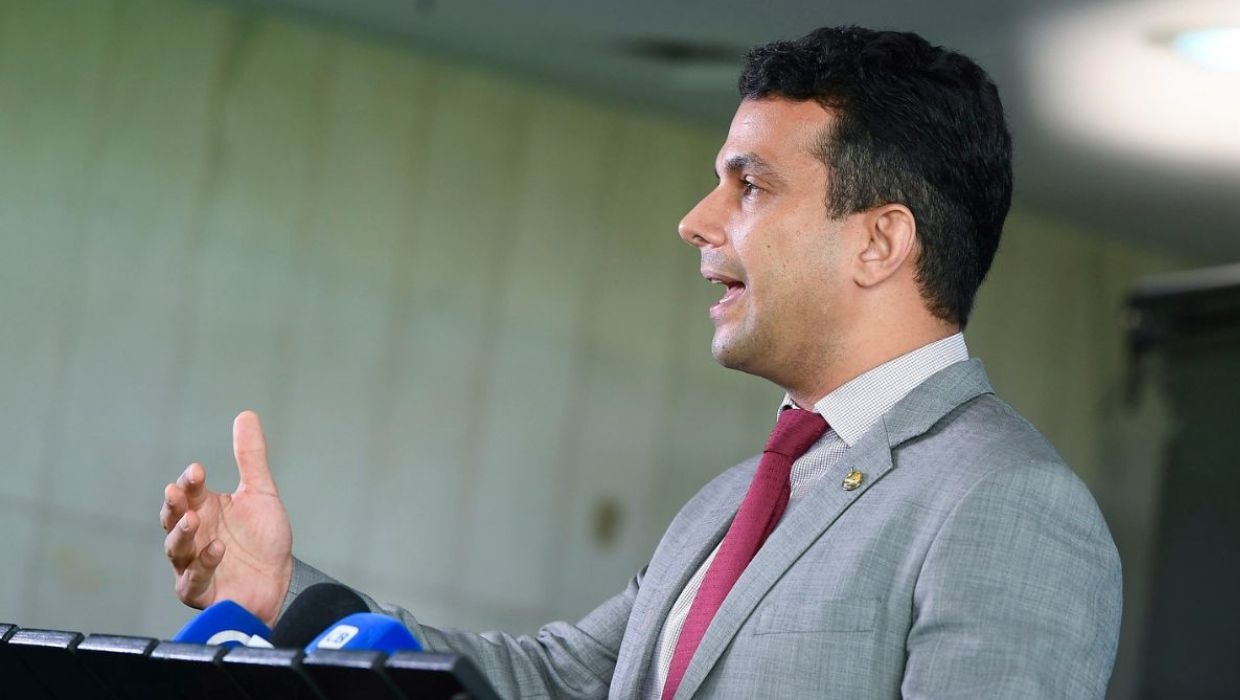
“Finally, the bill is mature enough to be voted on in the Senate Plenary,” Irajá said. “I believe that before the congressional recess, in the first half of the year, we might be able to vote on and approve this bill,” Senator Irajá projected.
In 2022, after 31 years, the Chamber of Deputies approved the bill’s main text in a tight vote: 246 in favor and 202 against. In the Senate, Irajá was appointed rapporteur in the Constitution and Justice Committee (CCJ) in November 2023. After public hearings and debates, the final report was approved by the committee in June 2024 and moved to the Senate Plenary for deliberation.
At the end of 2024, the bill was scheduled for a vote but withdrawn due to lack of consensus. At the time, the Senate hosted two parliamentary inquiry committees (CPIs) investigating fixed-odds sports betting, which had been regulated in 2023. Although these issues were separate from the gambling bill, Irajá believes that both the CPI on Match-Fixing and the CPi of 'Bets' influenced the Plenary debate.
“We assessed the situation and understood that the environment was not conducive for discussion and voting. Unfortunately, there was a storm triggered by the regulation of 'Bets', which inevitably affected the environment for discussing physical gambling,” Irajá explained.
“We felt it was necessary to wait for a calmer, more neutral moment to vote on it in the Plenary. I am absolutely convinced that this environment exists now.”
At the end of the CPi of 'Bets', rapporteur Soraya Thronicke said she tried to extend the investigation through a request made by the committee president, but Senator Davi Alcolumbre did not proceed with the evaluation. At the time, Senator Eduardo Girão told NDMais that the Senate leadership wanted “to quickly close the CPI of 'Bets' because the casino bill was already lined up.”
Public opinion plays a key role in the bill’s approval
According to the rapporteur, public perception of the legalization of gambling has great influence over parliamentary votes. In April of this year, DataSenado published a survey showing that 60% of respondents supported the bill to legalize gambling. The survey interviewed 5,039 people by phone between February 21 and March 1, 2025.
Before the survey’s release, during CCJ debates, the bill already had technical support from private sector organizations and public bodies. The Senate’s website includes favorable statements from the Association of Spa Towns of São Paulo State and the Brazilian Hotel Industry Association (ABIH Nacional).
“In my modest view, what crowned this effort was exactly the public opinion poll, which, I must admit, surprised me,” Irajá said. “This overall picture—public institutions, private entities, and society in favor—is the kind of support that is essential to convince senators who still had doubts or hesitations about supporting the project, especially in a pre-election year.”
Although the survey helped sway lawmakers toward the gambling bill, some senators remain firmly opposed to legalizing the sector. In the CCJ, Senator Eduardo Girão submitted a dissenting vote criticizing the expansion of gambling in Brazil.
“There are obviously opposing views, and I respect the evangelical caucus’ stance. It's a religious matter, not a rational one,” Irajá said. “It’s an ideological position—they’re against it just to be against it—and I respect that. On the other hand, I believe we have a majority of senators who support the bill and recognize that Brazil is facing a major opportunity to boost national tourism.”
CPI of 'Bets' report may hinder gambling bill approval
Besides Girão, other senators openly oppose the bill, including Senator Izalci Lucas. In an interview with NDMais, Izalci stated that the final report of the CPI of 'Bets' could hinder the passage of the gambling bill.
“I think the CPI of 'Bets' report will compromise the bill now,” said Izalci. “In fact, I believe it should stay another 30 years in the Senate because after the results of the CPI, the impact is too significant.”
Previously, Izalci had proposed amendments to the bill to include lottery retailers among the venues allowed to host slot machines. A proponent of market liberalization and financial oversight, he had supported the bill before the CPI.
However, after actively participating in the CPI of 'Bets' and submitting a supplementary report that was included in the final document, the senator no longer supports any legislative progress in the gambling sector. According to Izalci, his vote no longer depends on the bill’s specific provisions.
“The economic returns do not offset the social costs. Many people today skip meals to gamble,” he said. “We’re facing a wave of addiction, with many heavily indebted individuals. The debts are enormous—broken families, widespread problems. So I’ve concluded that the only ones profiting from this are the gaming companies.”
The senator acknowledged the differences between the gambling bill and the bets regulation but still insisted on a repressive and supervisory approach, stating he is “categorically against any form of gambling.” Meanwhile, Senator Irajá argues that this bill is more careful with players’ financial and mental health than the legislation on online betting.
“When it comes to gambling addiction, two aspects must be considered. First, it prohibits the use of credit cards or any financing methods. Only instant transfers (Pix) or debit payments are allowed. This alone prevents indebtedness,” Irajá explained. “Second, the bill proposes the creation of a unified registry—like a credit bureau—for compulsive gamblers, those who, for some reason, gamble excessively.”
As in the Chamber of Deputies, the strategy in the Senate has been cautious to avoid shelving a project that has been in progress for 30 years. Irajá said the report may still be amended by other senators before the final vote.
“The debate doesn’t end here. We have sessions scheduled through July,” Irajá said. “We need to start the next semester with the project approved, ideally already sanctioned by the President, because the bill includes a one-year timeline for implementation.”
Source: GMB