



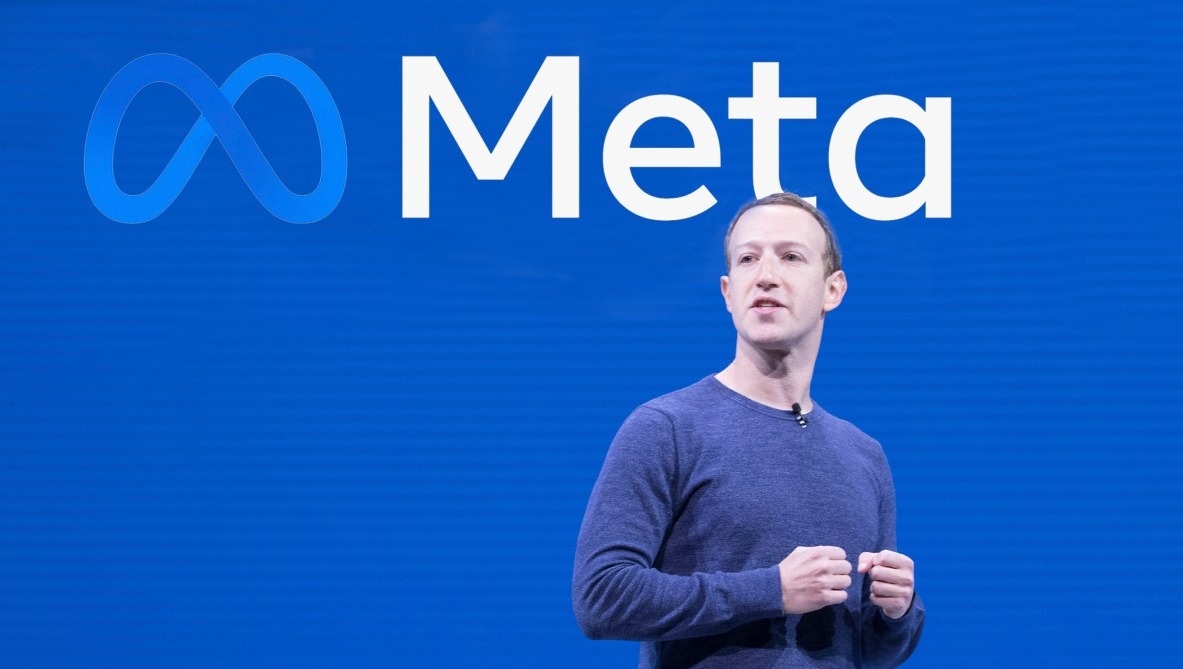
Since the beginning of the month, any promotion involving gambling — including sports betting, online casinos, lotteries, poker, and money-prize games — must be submitted through the “Permissions and Verifications” section in the Meta Business Suite.
Advertisers are now required to provide:
- Valid licenses issued by official regulatory bodies;
- Clear identification of their role (operator, affiliate, agent, aggregator);
- Legal company name and screenshots of the website or app;
- List of all associated ad accounts;
- All documentation must be in English and clearly related to gambling content.
Approvals, which are limited to specific ad accounts, are manually reviewed by Meta’s internal team, with the possibility of additional documents being requested after initial approval.
Influencers now under scrutiny
The new policy gives special attention to influencers. If an operator mentions a content creator, without the creator publishing anything directly, no extra registration is required.
However, if the influencer publishes the ad themselves, they must register as an affiliate, obtain Meta’s approval, and submit a signed contract proving the commercial partnership. This measure aims to formalize and add transparency to affiliate campaigns across Meta platforms.
Ban on targeting minors
The updated policy strictly prohibits targeting individuals under 18 with any gambling-related advertising, including free-play versions or "social casinos."
This rule aligns with global best practices in responsible advertising and reinforces Meta’s commitment to protecting vulnerable audiences.
Transparency — and criticism
The update has been praised for introducing more transparency and regulatory requirements into the sector, aligning the platform with international standards for responsible communication. The move follows similar actions from platforms like Google Ads, which already enforce local restrictions and certifications for gambling advertisements.
On the other hand, digital rights organizations such as the Open Rights Group (ORG) have criticized Meta’s approach as paradoxical. According to the ORG, awareness ads warning of gambling harm are treated more strictly — akin to political advocacy — than commercial gambling ads themselves. As a result, raising awareness about addiction and harm is harder than promoting the games.
The report “Profiling by Proxy: How Meta’s Data Driven Ads Fuel Discrimination” suggests that the platform classifies preventive campaigns as “political advocacy,” subjecting them to additional restrictions, while commercial gambling ads face less scrutiny.
The new rules apply globally, except in countries where gambling advertising is entirely prohibited. In practice, Meta now lists only the jurisdictions where such ads are not allowed.
The list of restricted markets includes Asian countries such as Thailand, Indonesia, and Vietnam, as well as Middle Eastern countries like Saudi Arabia and Central Asian nations like Kyrgyzstan.
In regulated markets, the requirement for licenses and compliance helps strengthen the safety and integrity of digital gambling-related advertisements.
- Meta seeks to ensure that only licensed and responsible operators can promote gambling on its platforms.
- The mandatory formalization of contracts between affiliates and operators is expected to increase campaign transparency.
- The ban on targeting minors strengthens responsible advertising practices.
Still, critics continue to question why promoting gambling is easier than raising public awareness about its risks.
These updates mark a new stage in the digital regulation of gambling ads, with significant impact on operators, affiliates, and influencers aiming to advertise on Facebook and Instagram. The expectation is that, over time, ads will become more trustworthy, transparent, and safer for all users.
Source: GMB