




Compulsive gambling is a disorder linked to the inability to control the impulse to engage in games of chance, such as lotteries, bingo, and more recently, fixed-odds betting, popularly known as ‘Bets’ in Brazil.
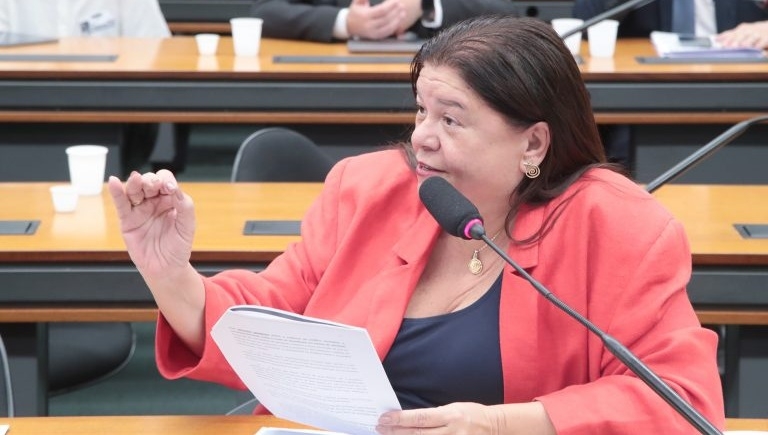
The rapporteur, Deputy Laura Carneiro (PSD-RJ), recommended the approval of Bill 4583/24, authored by Deputy Ruy Carneiro (Pode-PB), in the form of a new text.
“It is only fair, therefore, that support, treatment, and assistance measures be taken for individuals and families now suffering the effects of gambling addiction, including through the allocation of a percentage of gambling revenue, among other sources,” the rapporteur argued.
In proposing a substitute for the original bill, the rapporteur incorporated suggestions from the federal government. The main changes include:
- references to specific ministries and their responsibilities, as well as supervisory bodies, were removed to avoid legal issues;
- the creation of new specialized treatment units will no longer be mandatory, as care will be provided by existing services; and
- the article detailing how the program would be funded was removed since the expenses fall within the financing and operational scope of SUS (Brazil’s public health system).
According to Ruy Carneiro, the goal of the program is to help gambling addicts mitigate the impacts of this practice on their lives, including damage to their physical, mental, and financial health. He adds that between 2018 and 2023, the number of people treated by SUS for problems related to pathological gambling rose from 108 to 1,200.
Goals
The assistance program for people with gambling disorders will aim to:
- identify and treat individuals with gambling addiction;
- promote educational campaigns about the risks of gambling addiction;
- encourage prevention and social reintegration of addicts;
- develop prevention programs focused on children and adolescents; and
- monitor and regulate gambling advertising to prevent it from targeting minors.
SUS (Unified Health System) and Suas (Brazil’s Unified Social Assistance System) must provide specialized mental health care for individuals with gambling addiction across all units within the Psychosocial Care Network.
Next steps
The proposal will be analyzed, on a conclusive basis, by the Committees on Health; Finance and Taxation; and Constitution and Justice. To become law, the text must be approved by both the Chamber of Deputies and the Senate.
Source: Agência Câmara de Notícias