




The public debate around the betting sector in Brazil—and its economic and social consequences—is deeply clouded by the lack of differentiation between the regulated and illegal markets. The gap between these two worlds is significant—and must be urgently understood by authorities, the media, and the public. The conversation needs clarity, and stronger action must be taken to crack down on the illegal market—which is the real threat to society, the economy, and Brazilian sports.
Brazil is at a critical moment in the regulation of online sports betting. The legalization of this market, through the enactment of Law 14.790/2023 and the publication of its first regulatory ordinances, was an important step in bringing mechanisms to protect people, provide legal security, and collect taxes. But regulation alone is not enough: firm action is needed to curb illegality.
A study conducted by LCA and Instituto Locomotiva estimates that the illegal market accounts for up to 51%. In other words, for every R$10 (US$1.80) wagered in Brazil, R$5 (US$0.90) go to platforms that are not authorized to operate. Why this matters: unlike regulated platforms, which follow strict legal requirements, the illegal market operates outside the law, with no commitment to restricting access by minors, preventing addiction, or ensuring sports integrity.
From the perspective of user protection, legal platforms comply with regulations and implement strict control mechanisms, such as facial recognition and identity document collection, effectively preventing minors from accessing the platforms. The same is not true in the illegal market, where children and teenagers continue to gamble.
Licensed operators like Betano, in compliance with the law, also have Responsible Gambling policies in place, including tools for self-exclusion, self-limitation, voluntary blocking, and risk behavior alerts. The illegal market not only ignores such mechanisms but often encourages compulsive use through aggressive promotions and misleading promises.
The economic contrast is equally stark. Authorized operators pay taxes on gross gaming revenue (GGR), oversight fees, and licensing fees. The government itself reported that legal betting operators have already contributed R$3 billion in taxes between January and May. More than R$2 billion (US$360m) was paid in license fees. Legal operators create jobs, hire local suppliers, sponsor sports clubs, and support social projects. Meanwhile, illegal platforms dodge taxes, siphon resources, and create unfair competition. The LCA and Locomotiva study estimates that the government is losing R$10 billion (US$1.8bn) per year due to this.
Sports integrity is also at stake. Licensed companies use anti-fraud tools and report suspicious betting activities to authorities. Major public scandals involving potential match-fixing by Brazilian players originated from reports made by the betting operators themselves (who, it’s worth noting, are victims of such manipulation—they lose money when it happens). In the clandestine environment, there’s no control—and that’s precisely where match-fixing thrives, threatening the credibility of competitions and the spirit of sports.
Legal betting platforms return at least 85% of the bet amount to players and use auditable algorithms. Illegal ones may keep all the players’ money. Legal platforms are required to have strong anti-money laundering systems and to report suspicious activity to COAF. Illegal ones are often created precisely to launder money from organized crime.
We must act on multiple fronts: cutting off payment institutions that serve the illegal market; effectively blocking illegal websites and apps; increasing penalties for companies and intermediaries operating without a license; launching awareness campaigns to educate consumers; and coordinating with digital platforms to curb illegal advertising, among others.
The legal market, of which Betano is proudly a part, does not fear regulation—on the contrary: it supports it, promotes it, and works to improve it. But without an effective crackdown on the illegal market, any regulatory effort will fall short—and reinstating a ban would only push all bettors into illegal platforms. Brazilian consumers, sports, and public finances deserve an honest, responsible, and competitive environment. The time to act is now.
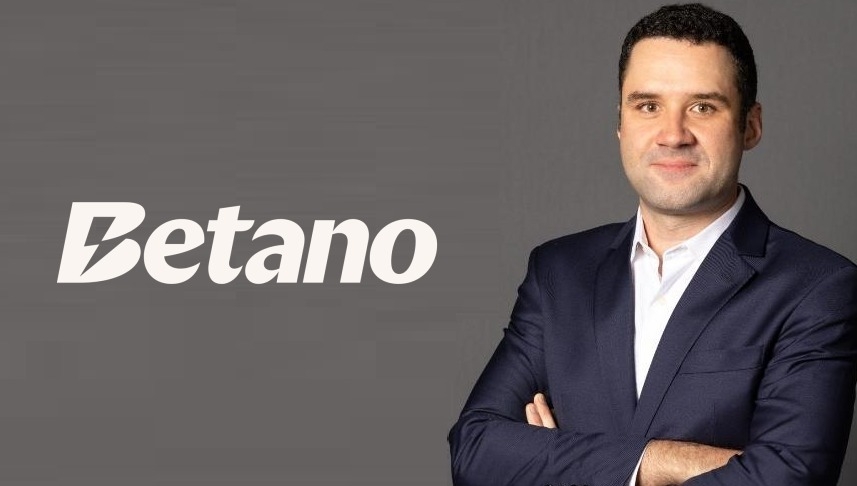
Fernando Gallo
Director of Public Policy at Betano in Brazil