



January marked a watershed moment for sports betting in Brazil. After years of operating in a grey market dominated by offshore operators and loosely regulated local outfits, the country now has a clear framework.
Yet with over 293 applications so far, is there still room for a second wave? How do you navigate the complex licensing system to launch AND stand out from the competition to scale before the window closes? Looking back on the first six months in Brazil, how has the competitive landscape shaped what’s next?
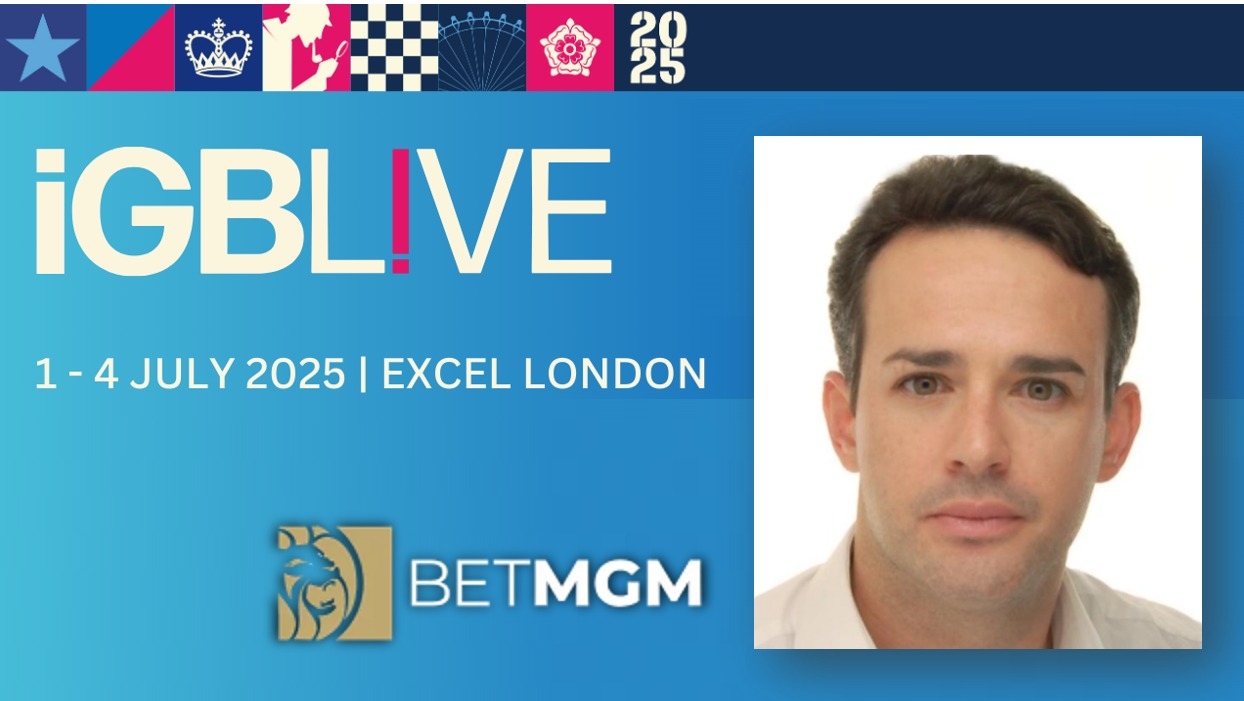
Offering real-world lessons from the operators already in market, and exclusive data, leading figures in Brazil’s gambling sector raised urgent concerns at iGB L!VE about the direction of the country’s newly regulated market.
The panel featured Eduardo Ludmer, Head of Legal at BetMGM Brazil, Ed Birkin, Managing Director at H2 Gambling Capital, and Pedro Lucas, Head of Affiliates at Super Afiliados.
Brazil’s market was launched in January 2025 with immense global interest. As Ed Birkin noted, the country had everything in its favor—scale, cultural enthusiasm, and potential for digital innovation. But six months on, the promise is being clouded by regulatory instability and mixed political messaging.
Pedro Lucas spoke candidly about legislative efforts that could ban affiliate marketing in the sector. “Some politicians are actively trying to stop affiliates from operating,” he warned. For Lucas, this is not a minor policy shift—it’s an existential threat. Without affiliates, he argues, the market risks collapse. His call to action was blunt: “Unite or die.”
Eduardo Ludmer introduced the proposed tax hikes from 12% to 18%, which are expected later this year. As he explains, “this is not what the market wanted” and it has created an air of uncertainty with such strong changes being introduced only a few months after the regulated market is launched.
BetMGM’s head of legal in Brazil, noted that operators are reconsidering their positions, stating: “[Operators] don’t want to be investing in a country they agreed to pay BRL30 million [to enter]. They agreed to invest hundreds of millions into this venture and then six months down the road they just change the rules of the game without asking you.”
Further muddying the waters, Ludmer pointed to shifting guidance around licensing. Initially, only fully licensed companies could operate. But on launch day, Brazil allowed temporary licenses—effectively opening the doors to many unvetted operators. This, he argued, makes strategic business development nearly impossible.
In June, the Brazilian government enacted a provisional measure to raise the tax rate as part of a broader effort to cut the government’s deficit. It relates to upcoming proposed changes to Brazil’s tax system, set out in May, which would have seen a sharp increase to the financial transactions tax (IOF), raising the rate from 0.38% to 3.5%.
The IOF applies to a range of foreign transactions including loans, currency exchange, insurance and investments. It remains a major source of federal tax revenue. However, the proposal faced backlash from Congress, prompting the government to revise the decree almost immediately.
President Lula’s administration remains under pressure to reduce Brazil’s fiscal deficit by the end of 2025, ahead of next year’s presidential election. Therefore, the government has turned its attention to the betting industry to help cover the BRL20 billion ($3.6 billion) shortfall left by the IOF decree’s failure.
This has come as a huge shock to the sector, especially the timing, with less than six months having passed since Brazil’s licensed online sector went live on 1 January. Ludmer told his company’s finance team will have to recalculate their forecasts to include the abrupt tax rise.
“Everybody was very surprised with the increase, because you prepare yourself, you buy a BRL30 million licence, you have a business plan based on a 12% tax rate,” Ludmer said.
This could have huge repercussions for the licensed sector, which suffered another blow recently when the Senate approved new ad restrictions, such as watersheds across TV and radio.
The stakes are high. The Brazilian gambling market is valued at over $12 billion, but 30–50% of players still use offshore, unregulated platforms. Without a coordinated effort to improve regulation, public perception, and political alignment, panelists warned that legal operators could be squeezed out.
Lucas concluded the panel with a plea for unity—not just among companies, but across the ecosystem. He urged stakeholders to educate consumers, politicians, and the media about safe gambling, regulatory benefits, and the dangers of the black market. “If everyone only looks after themselves,” one panelist warned, “there will only be a very small legal market left.”
Source: GMB