




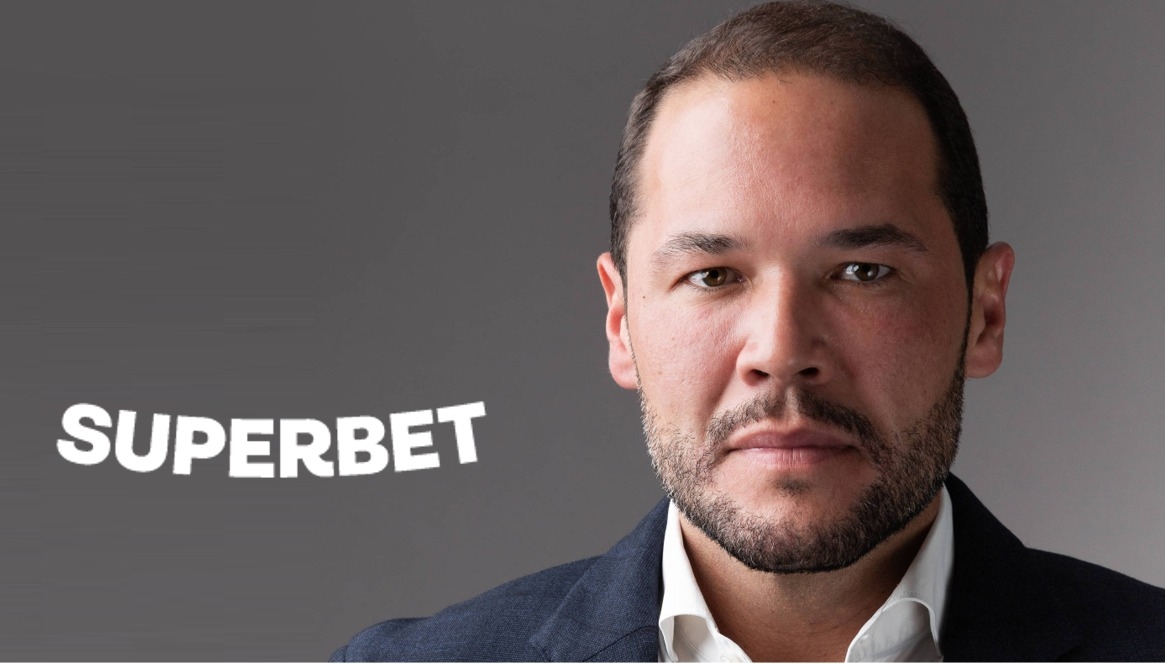
The arrival of ‘Bets’ sparked resistance from banks, retailers, and even water and electricity utilities, which began competing for Brazilians’ monthly income. However, for Alexandre Fonseca, CEO of Superbet, one of the leading companies in the sector, it is betting firms that are now facing threats to their business.
A graduate in Business Administration from UFRJ, Fonseca built his career as an executive in the gaming industry and later in betting. Between 2014 and 2022, he held leadership positions at companies such as Lottoland.com, Bonafides (a payment processor), and Kaizen (owner of Betano), until taking over Superbet in 2023.
With less than a year of regulated operations, companies will spend far more due to the potential increase in the betting tax from 12% to 18%, as well as on solutions to block criminals who engage in match-fixing in sports events, the flagship of the betting industry.
Folha – ‘Bets’ paid millions for legalization and then faced accusations of Bolsa Família misuse, match-fixing, and now the government wants to raise taxes. How does this affect the sector?
Alexandre Fonseca – These attacks hurt our revenue. Let’s take it step by step. Last year, the Central Bank released numbers on the use of Bolsa Família [for betting], which were later disproven [by an industry study conducted by LCA]. We have no interest in receiving funds from any kind of social benefit. We call for restricting the use of the benefit, not the beneficiary.
What do you mean?
When you restrict the beneficiary — whether they receive Bolsa Família, BPC, or unemployment aid — from betting, you create a second-class citizen. There is currently a bill in the Senate to legalize casinos. [If it is approved] Will people have to present proof that they are not beneficiaries to enter these establishments? I would call this a measure of social segregation.
So what do you suggest?
Part of the Brazilian banking system, the authorities, and even the way benefits are paid today make it possible to segregate the benefit. I fear that one day, in the future, we will look back and see this as a form of financial apartheid in Brazilian society. Soon, you might need a “non-beneficiary” card to buy alcohol. It’s a dangerous path.
But the benefit is public money meant for basic survival. Do you disagree?
I support preventing social benefits from being used for gambling, alcohol, and tobacco. In the case of BPC, for example, the law allows informal work as long as the income remains within the limit. And today, in practice, it is impossible for any platform to determine whether the amount wagered came from the benefit or from another source of income.
It’s a very low income.
The government cannot control your income.
How much does the tax increase hurt?
It is extremely impactful. There is an effect not only on profit margins and revenue but also on legal certainty. Business plans, with return-on-investment projections based on a specific tax framework, suddenly face a 50% tax increase overnight. No business can survive in such an unstable environment. This weakens the regulated sector and strengthens the illegal one.
Match-fixing in sports has grown with the spread of ‘Bets’. How do you tackle this problem? Credibility is essential to the business. Unfortunately, we have seen several reports of match-fixing. In the past, these were concentrated in third- and fourth-tier competitions or in the second division of state championships. Today, they involve major teams in the top division.
We have hired Sportradar, a multinational that monitors betting and sends manipulation alerts not only to ‘Bets’ but also to the Secretariat of Prizes and Betting. The CBF and 17 federations also have partnerships with them. I believe 90% of the market is monitored today.
A Sportradar team will hold a workshop with the teams sponsored by Superbet to make athletes aware of how match-fixing approaches happen and how they risk their careers by accepting them. It also affects the credibility of the club, the championship, and the betting market. Gambling is about trust.
Source: Folha