




The strategic role of municipal lotteries
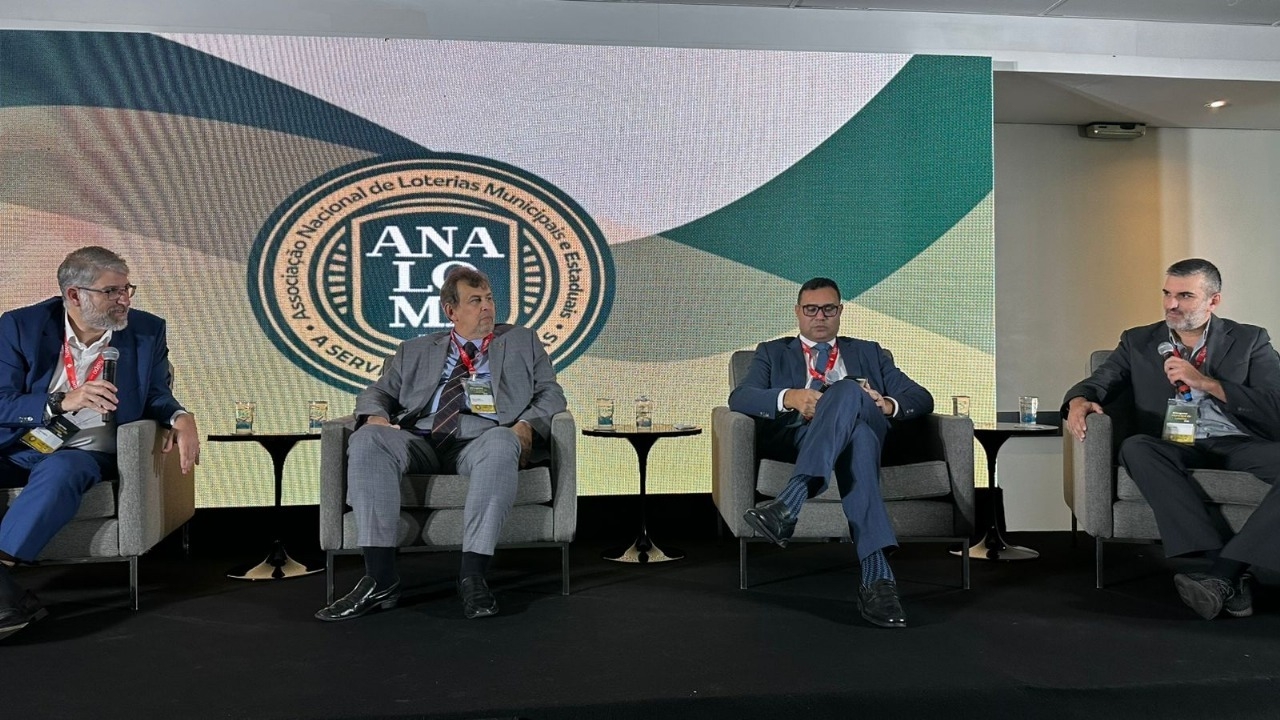
The opening panel emphasized the relevance of lotteries for local economies and their role in promoting public policies. Camilo Brito, president of the National Association of Municipal Lotteries (Analome), highlighted the sector’s expansion and the association’s participation as amicus curiae in ADPF 1212 at the Supreme Federal Court (STF), which addresses the validity of municipal laws authorizing the creation of lotteries.
“We continue our fight to strengthen municipal lotteries. Every day, more municipalities are seeking to establish their own. And we were recently accepted as a friend of the court in ADPF 1212. This was a major step forward,” said Brito.
Paulo Horn, Analome’s legal director, reported significant growth in the number of municipalities implementing their own lotteries, rising from 30 at the start of the year to nearly 300 in operation or under development.
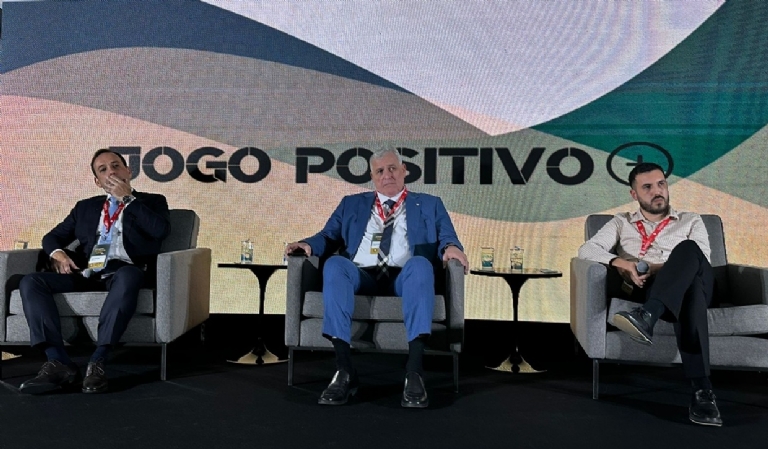
Filipe Rodrigues, president of the Associação Brasileira do Jogo Positivo, noted the importance of the topic for São Paulo, which recently issued a public notice for its own lottery. Nuno Bispo, Marketing Director at BiS SiGMA, reinforced the social and cultural legacy of gaming in Brazil, pointing out that Brazilians’ passion for gaming has helped make the country the largest regulated online betting market in the world.
Regulation and the rise of municipal initiatives
The second panel addressed the challenges of Law 14.790 and the growth of municipal lotteries. Lawyer José Francisco Manssur discussed the creation of a modern, robust regulatory framework, which effectively launched the regulated market in January 2025, with around 90 authorized entities.
“It was a deal: we will pay the concession fee, comply with the rules, pay taxes, and operate within the law. This was approved by Parliament and signed by the President,” Manssur stated.

He criticized recent tax changes and stressed the need for stronger measures against illegal operators, including blocking Pix payments. Regarding municipal operations, Manssur questioned: “What provision exists in the Constitution that allows states to operate lotteries but would prevent municipalities from doing the same?”
Compulsive behavior and treatment in the public and private health systems
In the third panel, physician Helton Porcino Rocha, a specialist in compulsive behaviors, addressed the social and economic impact of gambling addiction. He detailed warning signs, the dopamine circuit, and the rise in cases among women and the elderly.
“In the public health system (SUS), CAPS centers receive anyone seeking help for disorders such as anxiety, depression, and compulsive gambling. There is treatment, and the most effective approaches include cognitive-behavioral therapy, support groups, and, in some cases, medication or hospitalization,” he explained.
Rocha emphasized that early identification, prevention, and access to treatment are key to reducing harm and supporting families affected by gambling addiction.
'Jogo Positivo' and market trust
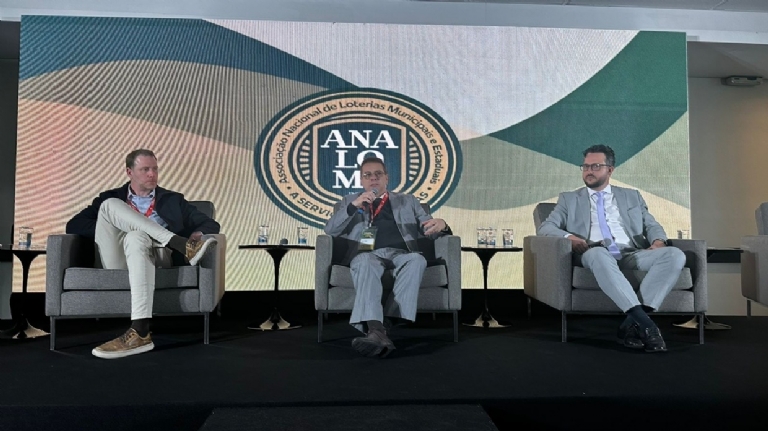
The fourth panel discussed "'Jogo Positivo' and building trust among the market and stakeholders." Filipe Rodrigues highlighted that the sustainability of lotteries depends on the correct use of collected funds and on meeting tax obligations.
“It’s essential that taxes are paid and that all funds are redirected to social projects. If taxes are not returned to society, municipal lotteries will suffer reputational damage,” he stated.
Ricardo Destaole, from Bet IUGU, reinforced the complexity of responsible gaming and the need for education on the difference between legal and illegal operations, while Paulo Horn underlined the social purpose of legal gaming: “The State promotes legal gaming to generate revenue that wouldn’t be possible otherwise. Without regulation and transparent practices, illegal gaming becomes more attractive, and society loses.”
Payment operations and protecting the financial system
The fifth panel explored how financial institutions and betting operators structure operations to ensure security, compliance, and traceability. Ângelo Braga, CEO of Onepay, highlighted the role of the financial sector and operators in supporting municipalities and companies, noting that “the number of truly compulsive players is minimal compared to the overall market.”
Paulo Pinto, Partner at Only Up Payment Institution, stressed that “All AML monitoring goes through the institution. While we don’t have police powers, we do have the ability to monitor and supervise.”
Tiago Ernesto, Director at 7trust, explained: “Pix has been key to the growth of betting, making transfers easier and offering convenience to users, but not all transactions are flawless, and some need further analysis to avoid problems.”
Source: GMB