





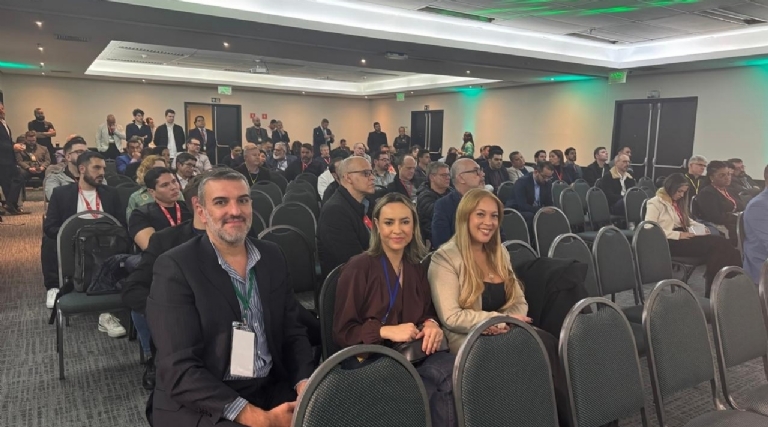
The event brought together authorities, experts, and industry representatives to discuss the evolution of municipal lotteries and the future of the activity in Brazil.
Slowdown in the gaming market and impacts on Brazilian football
The first panel addressed how reduced growth in the gaming and betting industry could directly affect national football. Speakers included Mariana Chamelette, Vice-President of the TJDFP; Talita Garcez, partner at Garcez Associados; and lawyer Ana Diedrich.
Talita Garcez stressed that Bill 2985/23, which limits sports betting advertising, poses a risk to existing sponsorship contracts.
“Between Series A and Series C, 68% of sponsorships come from betting houses, and this revenue is used for basic expenses, stadium maintenance, youth divisions, and even women’s football. If severe restrictions on this advertising are imposed, I don’t see another sector capable of replacing these amounts,” she said.
Mariana Chamelette highlighted the historical tradition of betting in sports and compared Brazil’s situation with that of England, warning about the effects of advertising restrictions. Ana Diedrich added that severe restrictions could reduce investments and stimulate the illegal market.
Planning and operation of municipal lotteries
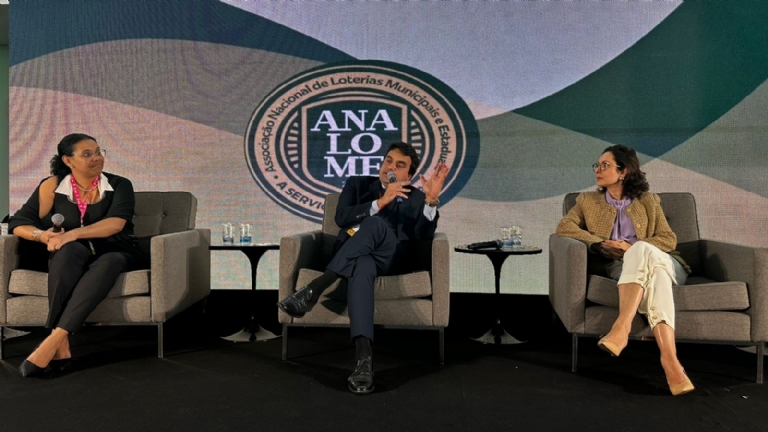
In another panel, specialists discussed “Main steps in planning a municipal lottery”. Hiago Piau, Vice-President of Analome; Diego Campos, Innovation Director of the Osasco City Hall; and Fabrício Carvalho, Project Manager at São Paulo Parcerias, emphasized the importance of building a solid foundation before starting revenue collection.
“Each article of the law and decree must be thought through not only legally, but also technically and strategically, so that the operator can succeed,” explained Hiago Piau.
Participants stressed the need for scalable, transparent, and sustainable models, noting that the success of a municipal operation depends on detailed planning, defining modalities, financial flow, and an adequate technical structure.

Use of VLTs to generate revenue and boost the economy
The panel “The use of VLTs and generating revenue and boosting the local economy” discussed opportunities and challenges in implementing Video Lottery Terminals. Speakers included Ana Bárbara Costa Teixeira (Ocean 88 Holdings), Gabriela Novello (Chips Entertainment), Tiago Luz Pinto (Jogo Global), Fabiano Braga (Weebet), and lawyer João Motta.
Experts addressed the potential of VLTs to boost municipal revenues, create jobs, promote tourism, and strengthen the local economy, but also stressed the need for regulation, auditable technology, and hybrid models to attract players from the illegal market.
“If you don’t start with the hybrid, you won’t fight the illegal market. Land-based generates revenue, jobs, and local tourism, while introducing the player to the regulated environment,” said Fabiano Braga.
The panel emphasized the importance of KYC, physical security, standardized procedures, and technological monitoring to ensure the credibility of operations.
Inter-municipal consortia strengthen regional lotteries
The topic “Inter-municipal consortia for planning, coordination, and defining regional actions” was discussed by Saint Clair Neto, Ana Gatti, and Daniela Miranda. The consortium model was presented as a strategy to overcome technical, structural, and financial limitations in smaller municipalities, allowing resource sharing, expertise exchange, and process standardization.
“A small municipality may have the opportunity to create a lottery, but not always the resources and expertise. The consortium allows infrastructure and knowledge to be shared with larger cities, creating a regional lottery,” explained Ana Gatti.
The discussion also addressed legal barriers and the need for flexibility to ensure the autonomy of participating municipalities.

Regulatory, commercial, and technological evolution
Closing the program, the panel “Regulatory, commercial, and technological evolution of municipal lotteries” brought together Paulo Horn (OAB/RJ), João Victor Godoy (BetPilot), and Marco Taurisano (Kroopiê Consultoria). Discussions covered regulatory advances, market growth, new technologies, and trends in customizing the player experience.
Paulo Horn highlighted historical challenges in marketing physical games and the importance of Pix to facilitate payments. João Victor Godoy presented technological solutions enabling personalization and data analysis to optimize operations. Marco Taurisano stressed that despite digitalization, physical operations remain essential and that creativity is a central pillar for growth and engagement in municipal lotteries.
“The great differentiator for the lottery sector is creativity. One example is Keno, a numerical prognostic lottery with draws every four minutes, fun and safe for the player,” said Taurisano.
Source: GMB