




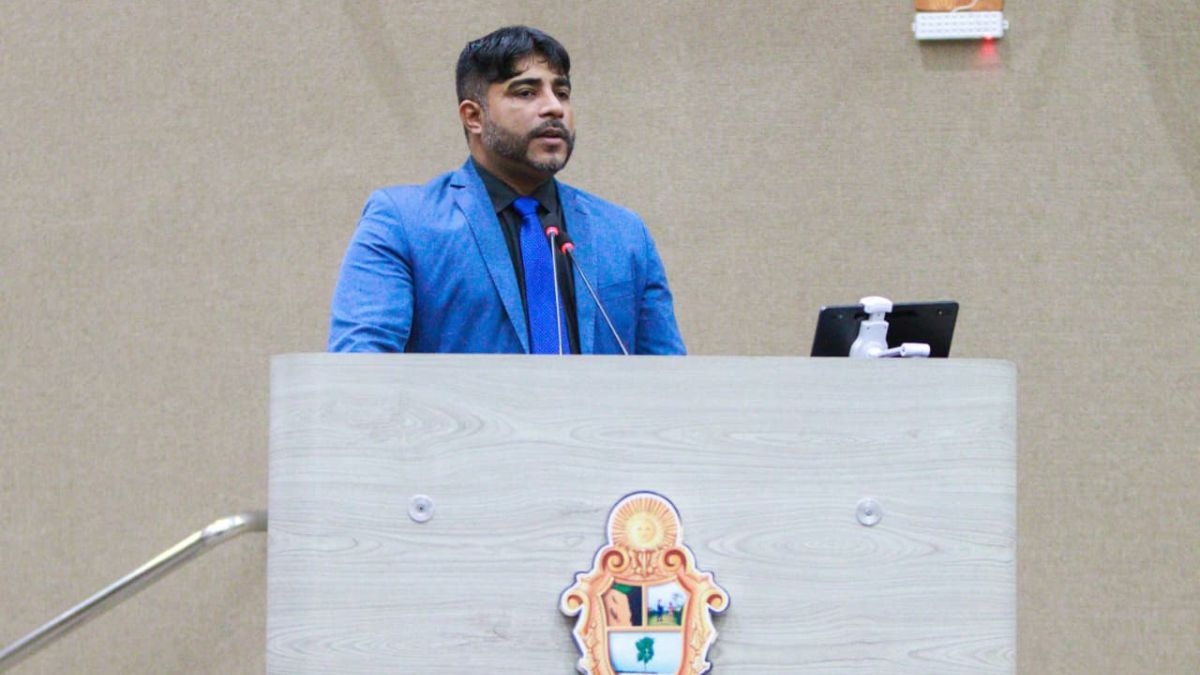
In his justification, Dione Carvalho argues that the Municipality of Manaus has the capacity to establish the Municipal Public Lottery Service in order to “increase municipal revenues without burdening the population with new taxes or increases in existing ones.” The revenues would be allocated to areas such as health, education, public security, social assistance, sports, and culture.
According to the bill, the Municipal Lottery of Manaus could explore any of the lottery modalities currently allowed under federal law, through any means, including electronic and online platforms, “restricted to circulation within the limits of the municipality of Manaus.”
The project establishes that all lottery modalities to be explored by the Municipal Lottery of Manaus will be regulated through their respective lottery plans. The City Hall, through the Municipal Secretariat of Finance, Planning, and Information Technology (Semef), would be responsible for regulating, controlling, and supervising the lottery.
The Secretariat would also define how the funds destined for social security, “income tax on prizes, and other legal beneficiaries” should be delivered. The resources collected from betting activities, in addition to prize payments and tax collection, would be allocated to “the federative entity’s social security” and to the financing of social initiatives.
“Regardless of the lottery modality, a minimum of 60% is established for prize payments and income tax on winnings. The funds collected from bets or lottery ticket sales [...] will be deposited into the Municipal Treasury’s single account,” two sections of the text read.
“It is important to highlight that the operation of lotteries by municipalities is constitutionally permitted, as unanimously decided by the Federal Supreme Court (STF). The STF recognized that the Union does not hold exclusivity over lotteries, extending the competence to States and Municipalities to operate lottery modalities,” recalled the councilman.
Source: A Crítica