




Some newspapers have highlighted cases of influencers who received high amounts for promoting online betting sites – in some contracts, they even receive up to 30% of their followers’ losses. The expression “profiting from others’ misfortune” has become the symbol of this controversy, with fiery headlines and a moralistic tone that ignores the details of the sector.
In practice, these contracts are signed by operators – some not even licensed – who pay commissions on GGR (Gross Gaming Revenue, or net betting revenue), a common and established concept in any regulated market.
The president of Hebara and dear friend, Amilton Noble, was categorical in reminding that this is a legitimate business model all over the planet: “The government receives a percentage of the clause of others’ misfortune… the revenue of the entire betting chain is the result of the total wagered and the prizes paid out… Commissions are paid on the results obtained. Just like taxes.”
In other words, like any business in the world, taxes and commissions are paid on the result of the operation. The problem lies in how an entertainment operation is being disproportionately criticized and labeled as “misfortune.”
Operation Desfortuna and the real risk
While the sensationalist term goes viral, Brazil continues to fight against real criminal operations, such as 'Desfortuna', which arrested influencers involved with Fortune Tiger, widely associated with fraud and illegal online betting. In addition, investigations such as Game Over and Integration have shown that clandestine betting attracts bettors with false promises, money laundering, and engages well-known names in this illegal chain.
These operations are correct – and necessary. These are the practices that must be strictly combated. Demonizing the entire sector because of bad actors is unfair and simplistic.
Entertainment, jobs, and taxes
The legalized betting market in Brazil is part of the economy, with companies that pay licensing fees, collect taxes, and employ thousands of people. In addition, those who act responsibly stand out, promoting financial limits and responsible gaming with regulated partners, aiming at entertainment and fun.
Advertising paid for the “transfer of bettors’ time and attention” generates jobs, tax payments, and moves media, marketing, and entertainment – just like cinema, bars, and theaters. Betting is a way to have fun, and a legitimate market that deserves to be recognized as such, not caricatured as “misfortune.”
What the industry lacks
If the industry invested part of its marketing resources in education and awareness campaigns, the social and reputational return would be much greater. Bettors would be more conscious and public discourse would be more balanced, without generalizations or unfair attacks.
Operations like 'Desfortuna' must be celebrated – illegal operators need to be identified and held accountable. It is a mistake to generalize and paint the sector as criminal – there is a robust, regulated, and responsible ecosystem.
The expression “fee from others’ misfortune” is simplistic and ignores the functioning of GGR in regulated, serious, and established industries. The solution lies in effective oversight and investment in education and clear communication.
In the regulated market, betting is not a tragedy – it is a legitimate form of entertainment. And that deserves to be respected, with responsibility and transparency.
Leonardo Baptista
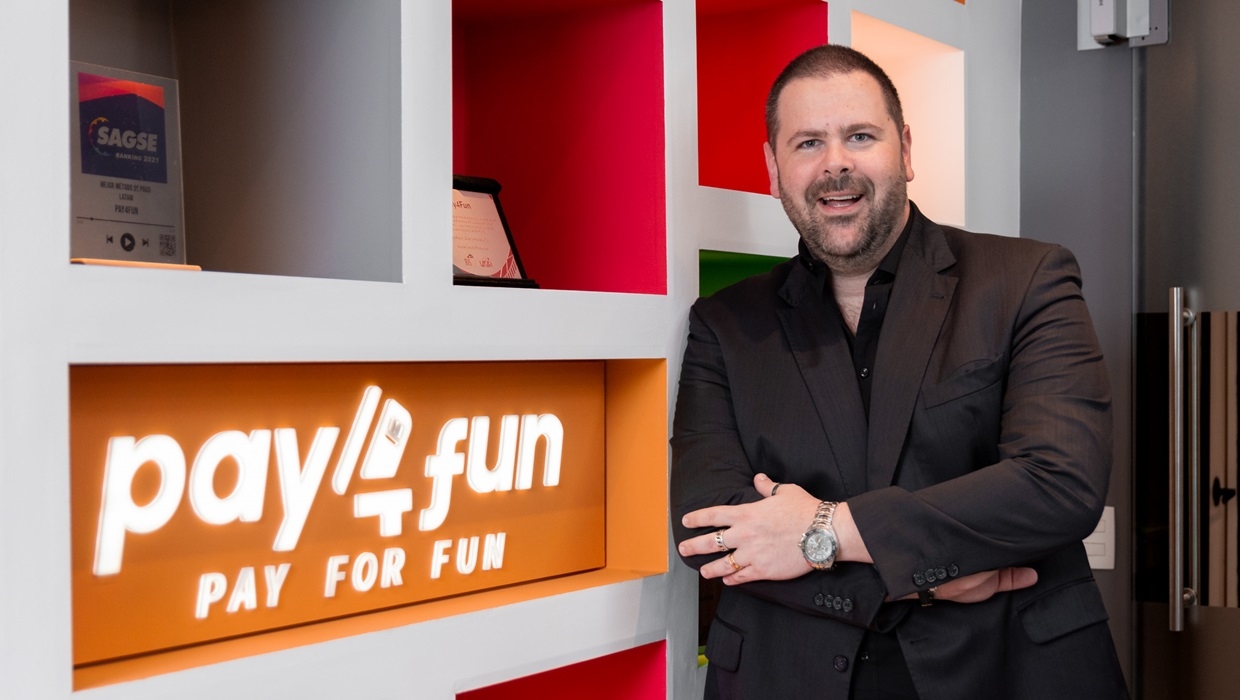
CEO & co-founder of Pay4Fun, a payment institution recognized for technology, security, and anti-money laundering prevention in the regulated betting market in Brazil. With over 20 years in the gaming and IT sectors, he was elected in 2022 as one of the 10 most inspiring CEOs by CIO Business Review.