




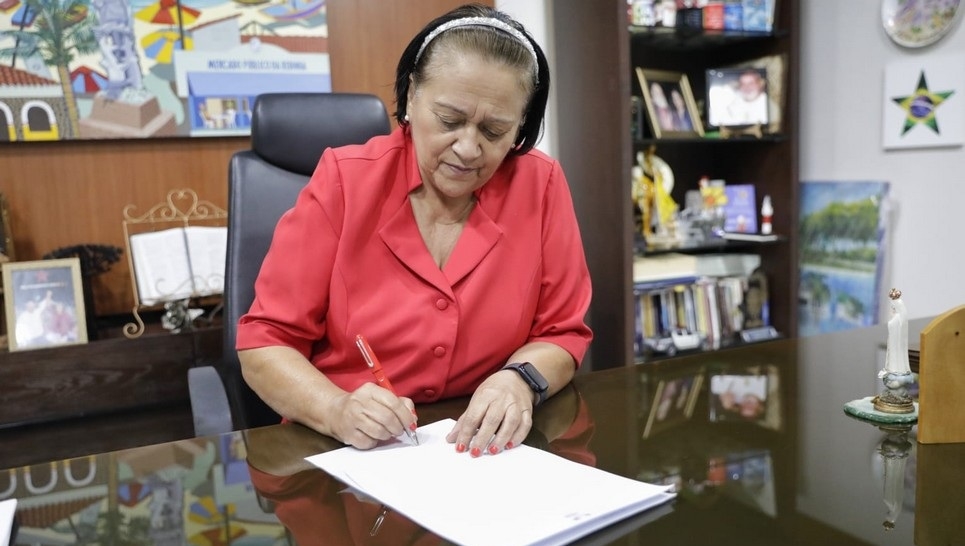
The law that created the Rio Grande do Norte Public Lottery Service and the State Lottery Fund was approved by the Legislative Assembly in June. The initial investment is expected to be approximately R$3 million (US$553,000), with a financial return within the first year of operation.
"The funds raised are already being allocated to essential areas such as healthcare, security, and housing. It's another tool to guarantee investments for the benefit of the people of Rio Grande do Norte," stated governor Fátima Bezerra.
State Finance Secretary Carlos Eduardo Xavier emphasized that the decree is the step that precedes the publication of the notices for accreditation of companies that will operate the lottery.
"We are following a path that other states have already taken, creating revenue alternatives without increasing taxes, within an environment of legality and social responsibility," he said.
The first contracts with accredited companies are expected to be signed by 2025, enabling the lottery to operate.
How it will work
According to the approved project, the state lottery will be able to offer numerical and sports prediction games, specific contests, and instant lotteries, both physical and virtual. The adopted model provides for direct operation by the state, but also allows partnerships with private companies through concessions, permits, or authorizations.
In addition to the creation of the State Lottery Fund, the law also provides for control and security mechanisms to prevent fraud, ensure transparency, and promote Responsible Gaming practices.
Rio Grande do Norte took advantage of the Supreme Federal Court (STF) decision that ended the federal government's monopoly on operating lotteries. Now, Rio Grande do Norte joins states such as Paraíba, Rio de Janeiro, Minas Gerais, Paraná, and Mato Grosso do Sul, which already have regulated state lottery services.
Source: GMB