




Sports betting companies and online games grossed R$ 17,4 billion (US$ 3.2bn) in Brazil from January to June this year, according to data from the Secretariat of Prizes and Betting (SPA) of the Ministry of Finance.
The first survey in the country with information about the regulated betting market, obtained by Folha, shows the size of the so-called 'Bets' and digital gambling market, popularized as “tigrinho” games.
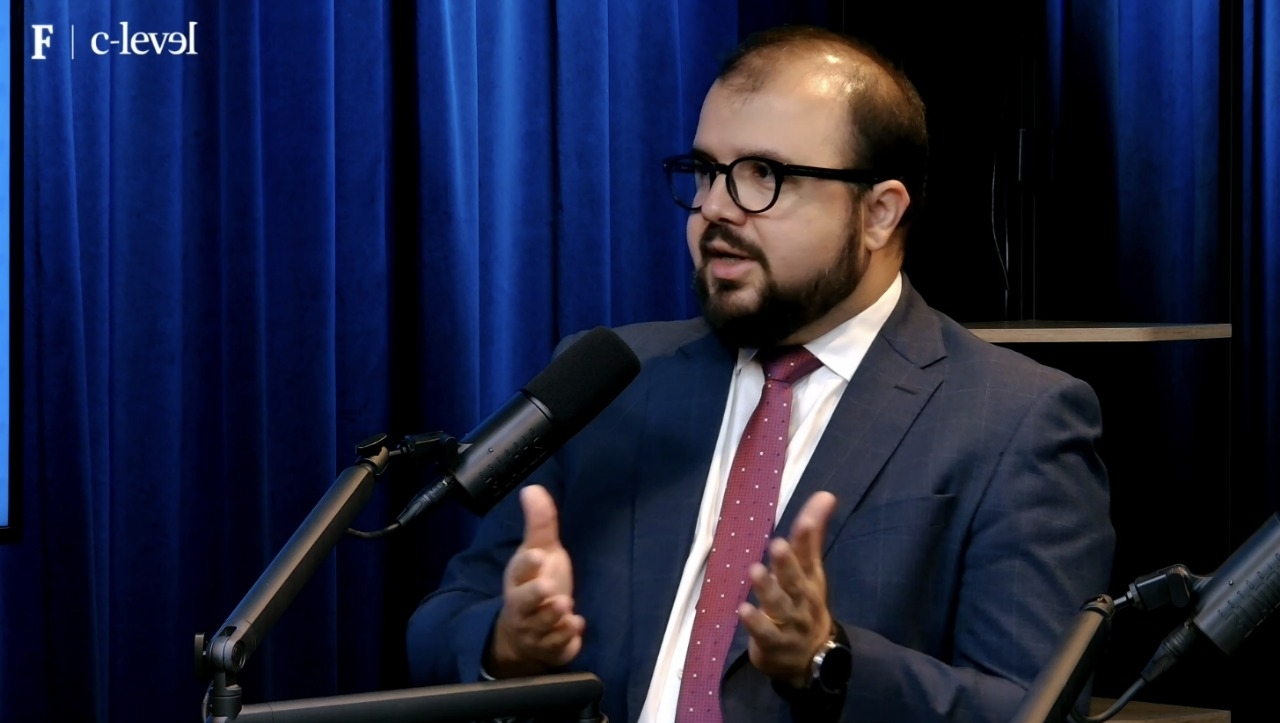
In the C-Level Interview, Secretary Dudena said that 17.7 million Brazilians place bets in the country, most of them men (71.1%) and about half under 30 years old. The average spending per active bettor is about R$ 983 (US$ 181) per semester (around R$164 -US$30- per month).
Dudena points out that there was uncontrolled growth of these games due to the lack of initiative from previous governments, and that with the recent regulation of the market, “the Brazilian State took back control of this sector.”
“The lack of control from 2019 to 2022 is very much responsible for the problems we are experiencing today. It is now our role to clean up the house. We need to fix this mess.”
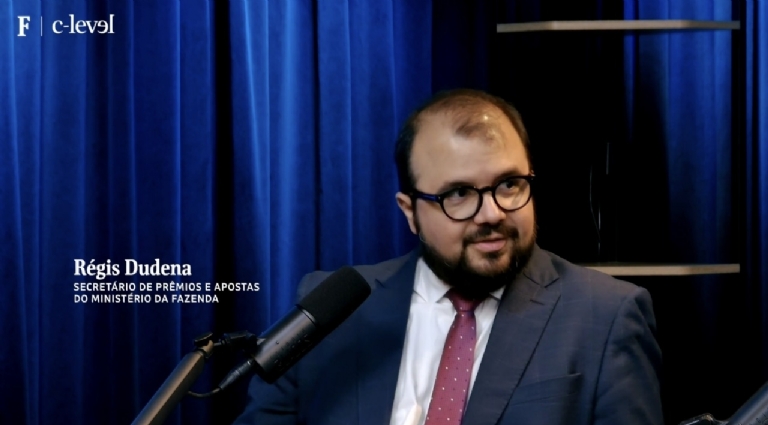
Folha – The Secretariat raised numbers that show the size of the betting market in Brazil. What do these numbers reveal?
Regis Dudena – One of the main messages at this moment is that the Brazilian State has taken control of this sector again. Today, we know exactly how many Brazilian bettors are using companies authorized by the federal government. We are talking about 17 million people.
Today we know what the famous GGR [Gross Gaming Revenue] is, which is the difference between what is wagered and the prizes paid, in other words, the gross result that remains with the betting companies. And we are talking about a six-month value of R$ 17 billion (US$ 3.14 bn), averaging R$ 2,9 bn (US$536m) per month.
The bettor deposits, and from that deposit, he bets. The average return, or what you win when you bet, is around 90% to 93%. You lose the difference [7%].
What should the population understand when engaging in betting activity? You are going to lose money. The tendency is that you lose money.
Last year, a Central Bank report mobilized Congress and the government by stating that Brazilians were spending about R$20 billion (US$ 3.7 bn) per month in betting houses. This value differs from the one surveyed by the Ministry of Finance. What explains this difference?
The main explanation is the difference between deposits, withdrawals, and actual spending. The Central Bank study itself has a footnote mentioning 15% retention. It makes clear that those R$ 20 billion (US$3.7bn) it was observing were not actual spending. There is a difference between the financial flow of money entering and exiting, and the real money that left the bettor’s pocket.
So, is this the first time the data is being exposed?
We receive daily reports from all betting companies, detailing who the bettors are, how much they deposited, how much they bet, how much they won. This generates a very large amount of data.
Today, betting in Brazil has two modalities: sports betting, which is on real sporting events, and online games with a random generator of numbers, letters, and colors, in which the bettor wagers.

How certain are you that the value reported by betting houses is the actual amount moved?
We have several controls. Obviously, we can always improve them. At first, these are reports they provide, but we monitor the activity of these betting houses. What they claim to earn, what they collect [in taxes], and we also interact with the Federal Revenue Service.
Have there already been any sanctions in these first months of operation?
Yes, we had some punctual sanctions, mainly regarding the offer of bets that should not have been allowed. They have not yet been disclosed because they are under appeal, but all penalties will be made public.
What do the Ministry’s numbers say about the profile of bettors?
About 71% of bettors in Brazil today are men, and the rest are women. About half are under 30 years old.
But what matters is that we have the ability to reach this data, especially for public policy. These regulatory data will also feed the public health system (SUS), so that it can prepare for receiving bettors who develop health problems due to gambling addiction.
On average, each person spends about R$ 1,000 (US$185) every six months. Is this within expectations?
The average is not concerning. If we think of those US$185 (per semester), it gives about US$ 30 per month on average. This is not worrisome.
In the second half of the year, we will continue monitoring the big numbers, but we will focus more on individuals, by CPF, to understand the bettors. This way, we will not only look at those who have already gone beyond what they could afford [in terms of income] and then hold the betting houses accountable, but, above all, observe trends to act in advance and require betting companies to act before problems occur.
You mentioned the responsibility of betting houses. What measures are we talking about?
The expression “responsible gambling” is often misunderstood, as if responsibility lay only with the bettor. But as regulators, we believe the primary responsibility lies with the betting houses.
When a bettor enters a betting site, it must provide tools for self-limitation in time and money, as well as a self-exclusion button for one month, six months, or one year.
When the house identifies differences in bettor profiles (e.g., low-income youth vs. wealthy retirees), it must monitor them. If the bettor deviates, the company must send alerts, suggest pauses, impose breaks, and even exclude the bettor.
That same Central Bank report mentioned that Bolsa Família beneficiaries moved R$ 3 billion (US$553m).
Regulation, I am convinced, will be enough to address this issue. For that Central Bank figure, the same 15% adjustment applies, so from R$ 3 billion (US$553m) it falls to about R$ 450 million (US$83m).
It seems legitimate to understand that Bolsa Família provides financial inclusion, enabling citizens to fully exercise their citizenship and decide how to use those resources.
On the regulatory side, we currently have a Supreme Court decision determining the course of action. We are developing a tool to ensure that bettors who are Bolsa Família or BPC [Continuous Cash Benefit] beneficiaries cannot deposit money into betting houses.
How does the Ministry of Finance identify illegal 'Bets' and what sanctions are applied?
Most social, mental health, and financial problems are related to illegal 'Bets'. Since last year, when we noticed intensified illegal activity, we began a process to identify these sites through online monitoring and take them down.
Financial and payment institutions are prohibited from processing transactions for illegal sites. We have also reported them to the Federal Police and the Central Bank.
Advertising is often criticized, especially stadium sponsorships, football jerseys, and TV ads. At some point, this may require stricter control, but in this opening phase, visibility makes sense to help bettors distinguish legal from illegal betting houses.
You said restrictions on advertising may be necessary. We have seen TV hosts, influencers, and sports programs saying “play responsibly.” Isn’t that too little?
Advertising is very relevant for distinguishing authorized and unauthorized betting houses. A total advertising ban would not be appropriate at this stage. What we have are message restrictions.
It is prohibited to say that betting will make you rich, attractive, or socially successful. Promises of income supplementation are banned. Athlete endorsements may also face restrictions if deemed undesirable. Public figures may also be restricted in the future.

Can the government identify cases of gambling addiction? Are there public policies in place?
This problem largely stems from the years without regulation. The lack of control from 2019 to 2022 is very much responsible for today’s issues. Now it is our role to clean up and solve this mess.
The Ministry of Health has already started training public service centers to prepare healthcare workers to treat these people.
The president of Febraban, Isaac Sidney, warned of a catastrophe due to betting, mainly a default bubble. How is the Ministry monitoring the impact of betting on the Brazilian economy?
I saw these statements, from both the financial system and retailers, but I have some difficulty seeing such a direct relationship. I understand the concern, it is legitimate, and we are addressing it through monitoring regulations. The State must stay alert and keep watch. We are doing everything to avoid any kind of catastrophe.
Are you minimizing the problem?
I am not minimizing it, I am facing it. From 2018 to 2022, no one acted to address this issue. What we are doing now is regulating and controlling.
X-ray | Regis Dudena, 43
Secretary of Prizes and Bets at the Ministry of Finance since April 2024. Lawyer specialized in regulatory law and PhD from UFMG. Worked in the São Paulo government, the Minas Gerais Development Bank, and the Civil House of the Presidency.
Source: C-Level / Folha