



Controversy around influencer marketing for gambling activities plagued the launch of the licensed betting sector in Brazil this year, becoming one of the key focuses of the Parliamentary Inquiry Commission (CPI) set up to investigate the impacts of betting on the population.
In June, police chief of Alagoas state Lucimério Barros Campos claimed influencer advertising was misleading and scamming gamblers. Additionally, the CPI’s rapporteur Soraya Thronicke sought to indict notable influencers such as Virgínia Fonseca and Deolane Bezerra in her final report.
However, the CPI came to an inauspicious conclusion, becoming the first CPI in a decade to have its report rejected. Fonseca and Bezerra narrowly avoided indictments on charges such as fraud and illegal gambling.
Also among the failed recommendations was a ban on the controversial Asian-themed slot Fortune Tiger, which has been linked to harmful influencer marketing schemes.
In relation to the scandal and wider calls for stricter marketing measures for gambling, the Senate has subsequently looked to further restrict advertising, including a ban on the use of influencers.
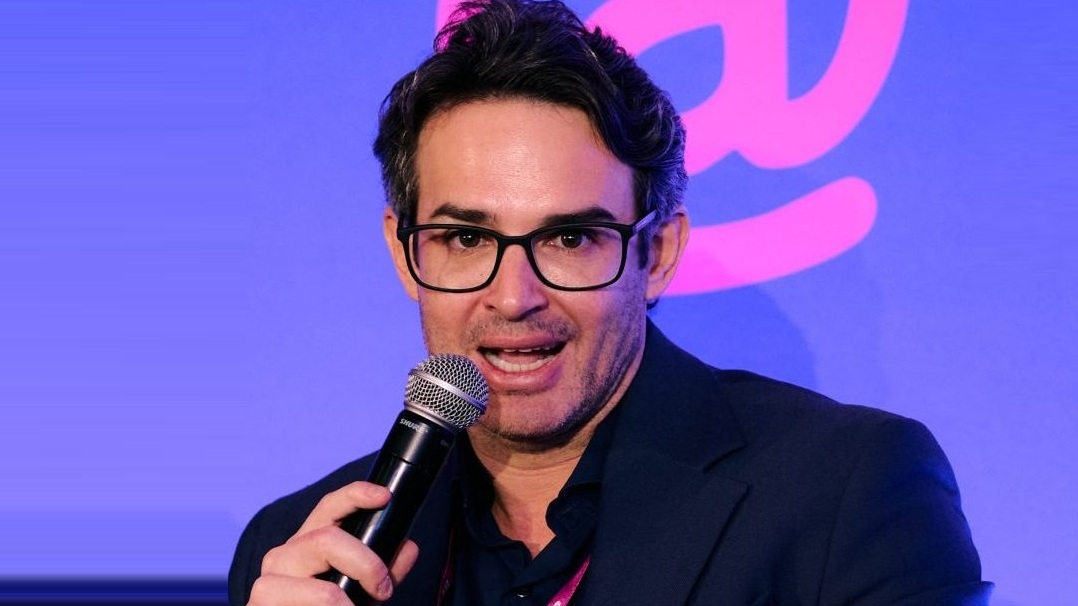
But while the pressure on influencer advertising has been substantial, BetMGM’s Head of Legal Eduardo Ludmer is concerned that further restrictions on licensed operators’ use of influencers could push players into the black market.
“Imposing excessive restrictions on influencers who work with legal operators may inadvertently empower precisely the very market we aim to suppress: the illegal sector, which operates without accountability, disregards player welfare and undermines the integrity and reputation of the industry as a whole,” Ludmer states.
Operators must be responsible with influencer ads
However, Ludmer stresses the importance of operators taking accountability when using influencers. He believes these partnerships can serve as a useful tool for the licensed market to distinguish itself against illegal operators.
Ludmer points to a recent study by the Brazilian Institute of Responsible Gaming that found 78% of Brazilians have difficulties differentiating between legal and illegal sites.
“The use of influencers in the betting industry requires a high level of responsibility and attention on the part of operators, especially when we consider the reach and impact that a single post or campaign can have on diverse audiences,” he continues.
“These individuals play a key role in spreading a vital message: betting is not a financial investment, but a form of entertainment that must be enjoyed with responsibility and awareness.
“We believe that, with clear guidelines and effective oversight, this channel can serve as a powerful tool showcasing the sector’s commitment to transparency and responsible gambling.”
The licensed betting sector has come under huge pressure of late. Alongside the new ad restrictions, the industry is currently facing a gambling tax increase to 18% of GGR.
Illegal market the central concern for operators in Brazil
Ludmer’s warning is another reminder of the ongoing battle licensed operators are fighting with unfair competition from the black market.
Currently, H2 Gambling Capital managing director Ed Birkin estimates around 30% of the betting market in Brazil is offshore.
Ludmer stresses that if the Brazil regulated market is to succeed and achieve its clearly massive potential, channelisation into legal offerings must be a primary objective.
“For the regulatory environment to be healthy and sustainable, it is essential that the majority of bettors are in the legal market, which only happens when there is a balance between taxation, the attractiveness of the offer and effective mechanisms to combat illegality,” Ludmer adds.
“The important thing is that the regulatory model must be structured in such a way as to continually encourage consumers to migrate to the regulated environment, guaranteeing fair competition, prevention of money laundering and player protection.”
Source: iGB