




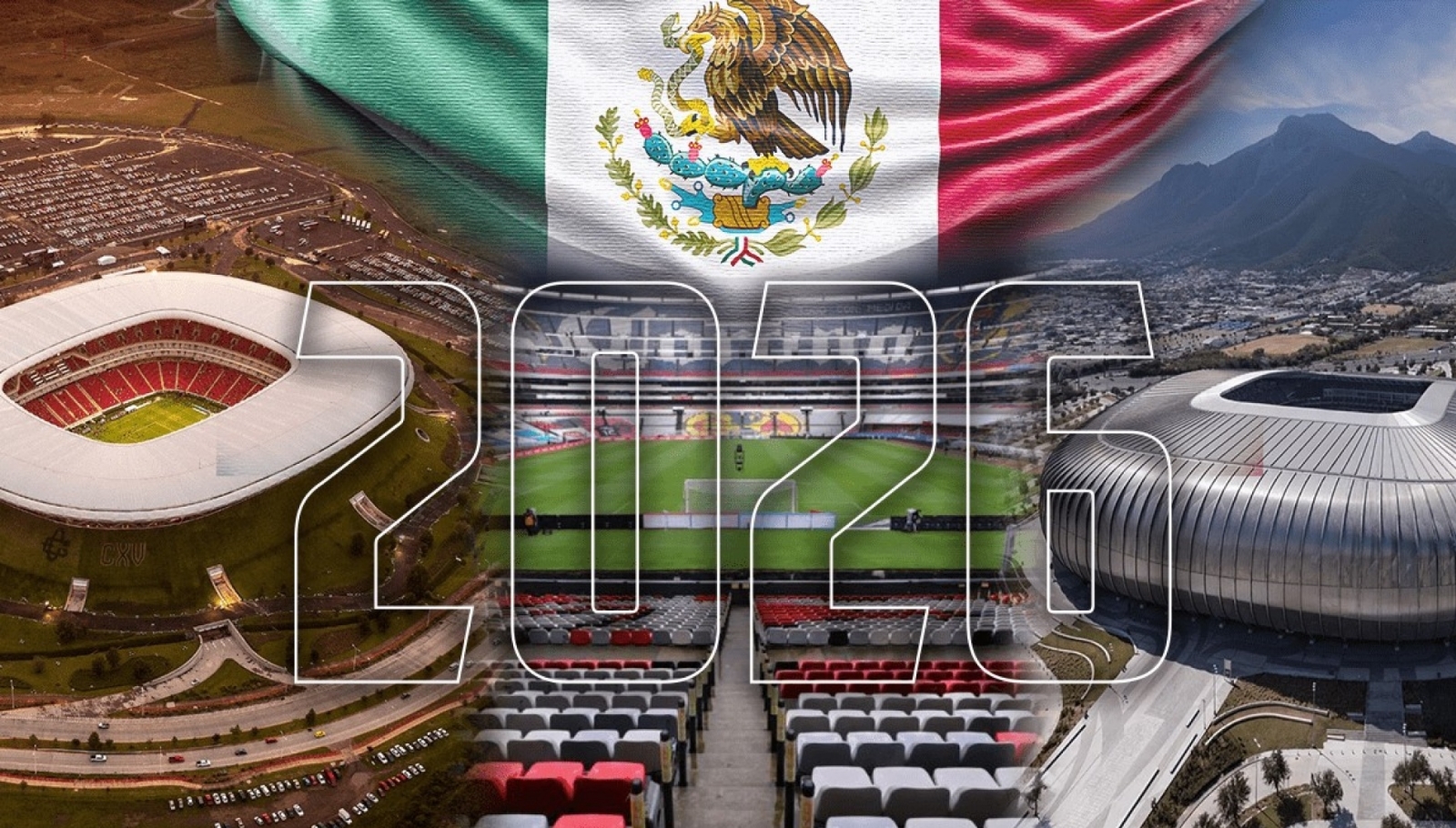
The tournament will be hosted across 16 cities in North America, with the United States, Canada, and Mexico sharing hosting duties for the first time. According to local media reports, earlier this month, AIEJA, the Association of Permit Holders, Operators and Suppliers of the Entertainment and Gambling Industry, called on the Mexican government to revise the Federal Gaming and Lottery Law of 1947.
Mexico’s outdated gaming law
The Federal Gaming and Lottery Law was passed by Mexico in 1947, mainly to restrict gambling, which was then seen with concern. After more than 75 years, the industry has moved to mobile apps, digital casinos, and internet platforms. However, the law is still out of date and ignores these advancements, leaving users and operators in the dark about the law.
The lack of precise regulation has allowed offshore operators to enter the market without oversight. This exposes consumers to unregulated practices, resulting in lost tax revenue for the government.
Mexico’s gambling reform
AIEJA represents stakeholders in Mexico’s gambling sector. Earlier this year, the organisation called on the government to revise the outdated 1947 gambling law, citing increased pressure from upcoming events like the World Cup. AIEJA has stated that industry operators should be involved in drafting new regulations to ensure they are practical and enforceable.
Concerns from industry leaders
Codere CEO Aviv Sher views the World Cup as a chance for growth in Mexico’s gambling sector, provided regulations are updated in time. Betcris Chairman JD Duarte warns that without reform, betting may shift to offshore platforms, resulting in lost revenue and limited consumer protection. Winpot CEO Yono Sidi proposes creating an advisory council of operators to work with regulators on developing practical and balanced rules.
Government response and legislative progress
Regulators and business leaders working together could assist in bringing policy into line with the state of the market. This partnership would facilitate the creation of useful legislation. Age checks, betting limitations, and responsible gaming guidelines should all be part of updated legislation.
The Ministry of the Interior is overseeing efforts to draft a new gambling law. AIEJA President Miguel Ángel Ochoa Sánchez has confirmed that a revised Federal Gaming and Raffles Law is in development at GAT Expo CDMX.
Ochoa stated: ”We believe that for the first time, we may have a new law. The Ministry of the Interior is leading the issue. The forums to which we were invited have been completed, and we understand that they are in the final stages of drafting the bill. It would be a crucial step toward regulating a market that is currently governed by an obsolete 77-year-old law.”
2026 FIFA World Cup
Gambling activity typically increases sharply during World Cup tournaments, with betting volumes often matching a full year’s total within a single month. As a co-host with the United States and Canada, Mexico is expected to see a significant rise in betting.
With less than a year remaining, lawmakers are working to complete gambling reforms before the FIFA World Cup 2026 begins. Operators, regulators, and consumers are urging the government to act without delay. The event presents both a regulatory challenge and a chance to establish a structured betting market. Failure to act could result in missed economic and oversight opportunities.
Source: SiGMA World