




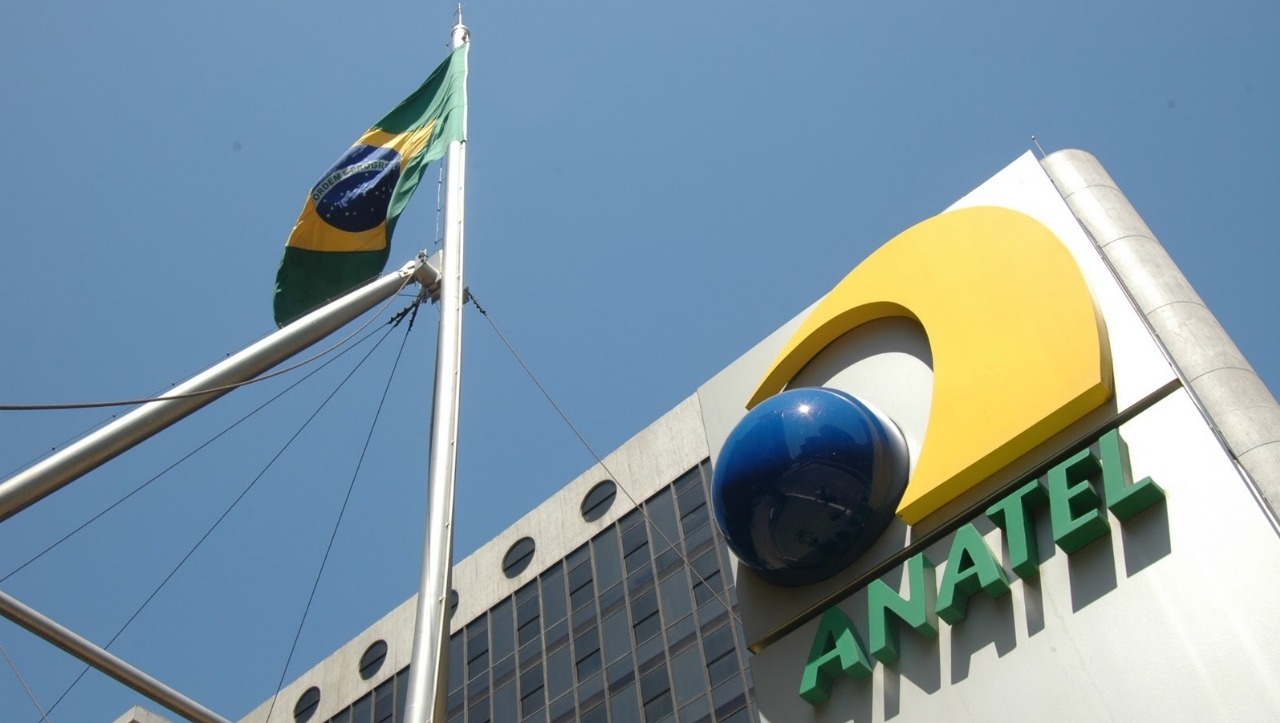
The Secretariat of Prizes and Betting (SPA) of the Ministry of Finance and Anatel have maintained a technical cooperation agreement (TCA) since October 9, 2024, aimed at speeding up the blocking of sites that illegally offer fixed-odds betting.
Sources told Metrópoles that domain takedowns are a necessary measure, but if applied in isolation they are not sufficient to curb the illegal fixed-odds market, as these companies can easily create new websites.
Other fronts against illegal 'Bets'
In addition to blocking illegal sites, SPA has implemented two other enforcement strategies under the regulations for the fixed-odds market: the identification of payment institutions that operate as unlicensed bookmakers, and oversight of advertising.
SPA’s three main lines of action are:
- Takedown of illegal sites, in partnership with Anatel;
- Fighting illegality by disrupting the financial flow of illegal 'Bets' – while also forwarding information about companies suspected of criminal activity to the Federal Police and the Central Bank;
- Monitoring infringing advertising content from licensed 'Bets', in cooperation with tech companies (“big techs”), within the scope of Brazil’s Digital Council.
In the first half of the year alone, 24 financial institutions and payment institutions made 277 reports and closed the accounts of 255 individuals and companies due to involvement with the illegal betting market. In the same period, SPA issued official notices to 13 payment institutions, requesting information and ordering account closures. As a result, 45 companies operating illegally had their accounts terminated.
The gross gaming revenue (GGR) of authorized companies reached R$17.4 billion (US$3.2bn) in the first six months of the year. GGR reflects the total amount wagered minus payouts, i.e., bettors’ effective spending. The average spend per active bettor was about R$983 (US$181) for the semester (R$164 -US$30 per month).
Around 17.7 million Brazilians placed bets through the websites and apps of the 182 'Bets' authorized by SPA. To check if a platform is regulated by the government, bettors can access this page.
'Bet' and mental health
According to government sources, the problems caused by gambling are the result of years of state inaction. As one source explained, regulation itself already helps reverse the growing curve of people becoming dependent on 'Bets'.
“Regulation restricts the activity and defines how the service can be offered. It also makes it possible to talk about it. Having a regulated sector creates the chance to communicate with the public: look, if you are going to bet, this is entertainment, you are spending money. If that’s fine with you, fine – but be careful because it is a risky activity,” the source said.
The same source also listed a series of initiatives resulting from a joint working group between SPA, the Ministry of Sports, and the Ministry of Health, including:
* Development of training courses by the Ministry of Health and Fiocruz to prepare the Unified Health System (SUS) to assist people with gambling-related problems.
*Creation of a centralized self-exclusion mechanism, allowing bettors to simultaneously opt out of all licensed betting operators they are registered with, hosted on the Ministry of Finance’s website.
*Introduction of risk-propensity tests for gambling addiction. Simple tests will be made available during operator registration and on the Ministry’s website to prompt bettor reflection.
*A debt-assessment tool developed by the Central Bank and Febraban, functioning as a self-test to help bettors evaluate their financial health.
Source: Metrópoles