



The regulated market officially opened on January 1 and has already shown remarkable momentum. According to Brazil’s Ministry of Finance, licensed operators generated more than £2bn in gross gaming revenue (GGR) during the first six months of activity. The Prizes and Betting Secretariat confirmed this came through 182 licensed websites operated by 78 companies.
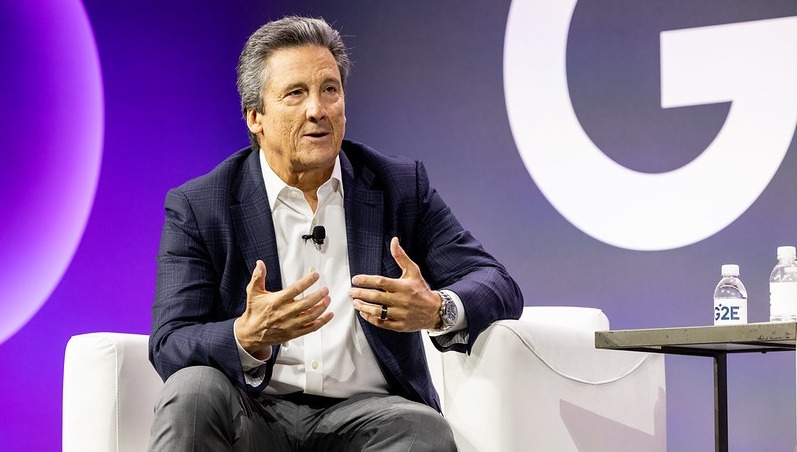
Hornbuckle described Brazil as a priority growth market, estimating its potential at $7bn–$8bn. “It’s crowded, but we think we can take between 5% and 10% share,” he said. “Remember, our partner is Globo, so we have a distinct advantage in terms of advertising and marketing dollars.”
The comments echoed MGM’s second-quarter earnings call, when management said they were targeting more than 10% of the Brazilian market.
Beyond Brazil, Hornbuckle highlighted the company’s ongoing European strategy via its LeoVegas Group subsidiary. MGM acquired the Stockholm-based operator in 2022 for more than $600m and has since expanded its digital footprint with the purchase of supplier Push Gaming and Tipico’s US-facing tech stack.
Hornbuckle said LeoVegas is benefiting from recent regulatory changes in Sweden and the UK, while its sports betting product built on Tipico’s platform is delivering promising results. He also praised the synergies provided by Push Gaming, which supplies content not only to BetMGM but also to external partners.
The MGM chief’s bullish outlook on Brazil underscores how quickly the country has become a focal point for global operators since regulation was implemented. With Grupo Globo’s brand power behind it, BetMGM is positioning itself as a major contender in one of the world’s most competitive new markets.
Source: GMB